Posted by: Body Wisdom | January 14, 2025

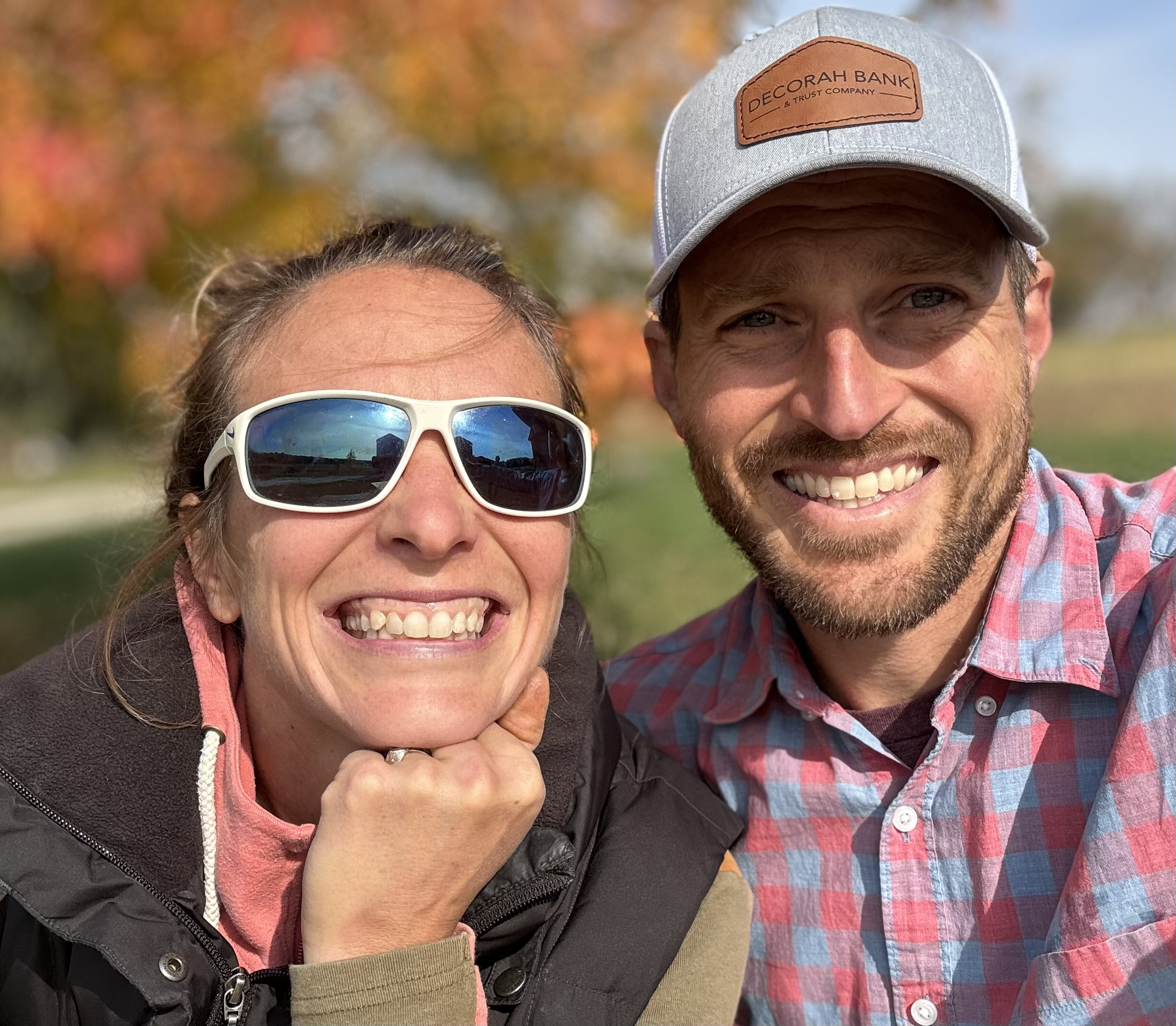
“Cassie Sampsons East Village Spa, Every. Body. Welcome.”

BWS: What inspired you to establish East Village Spa in 2008, and how has your vision evolved over the years?

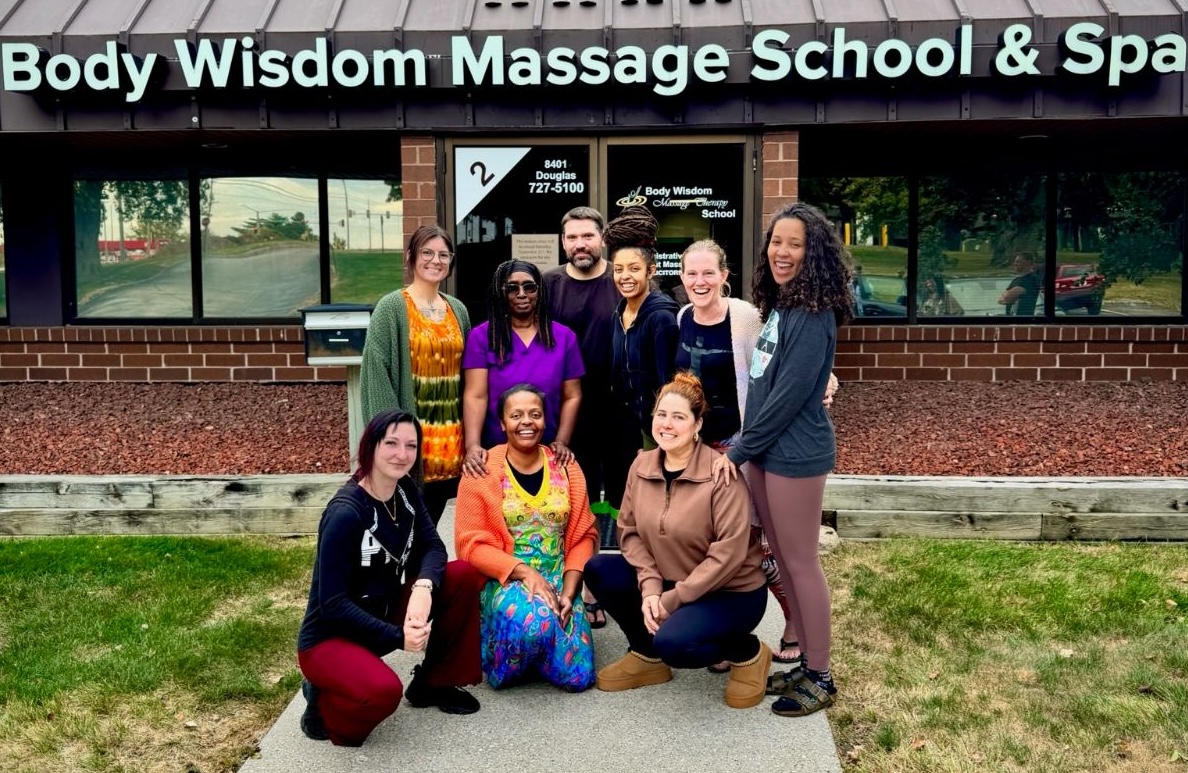
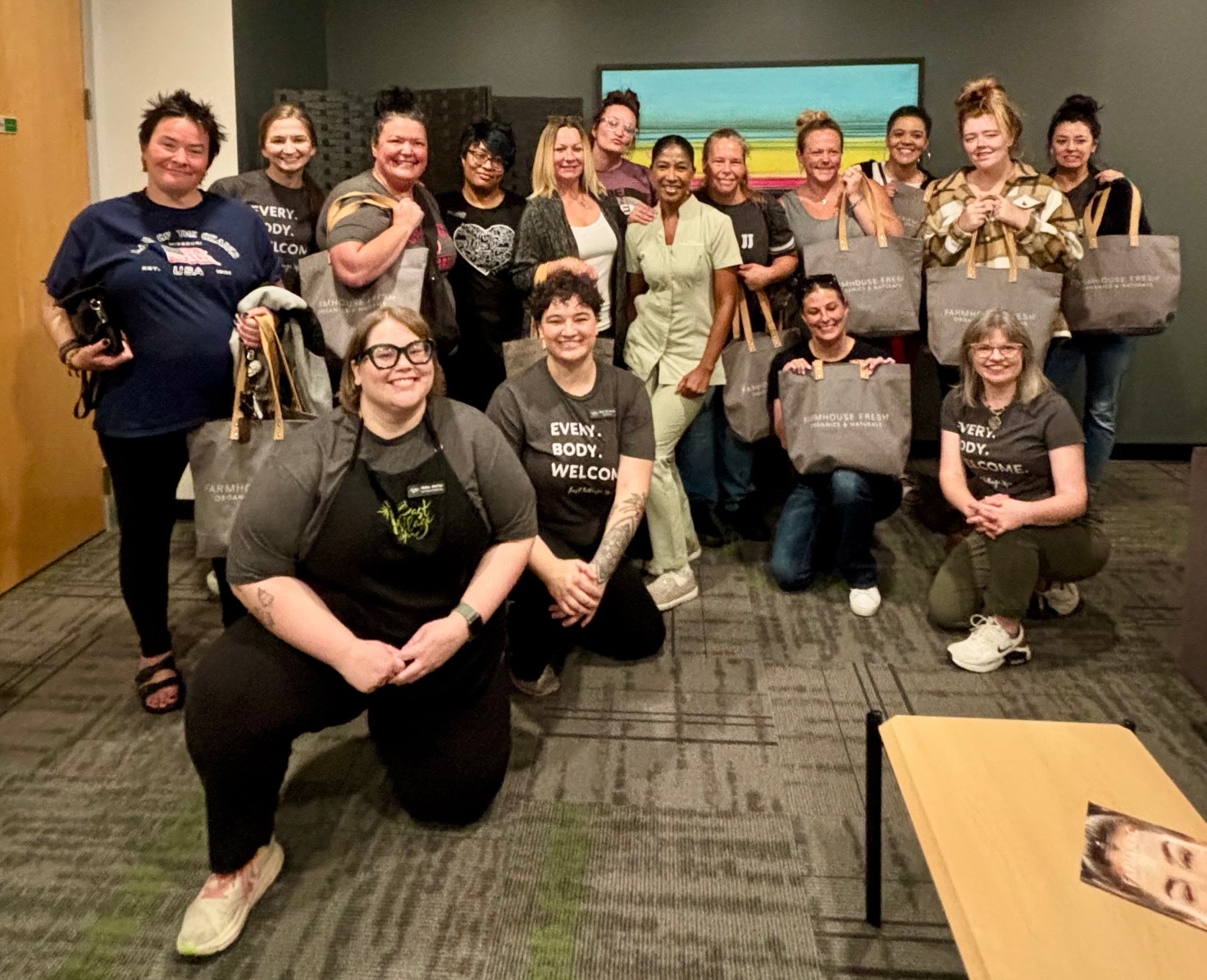
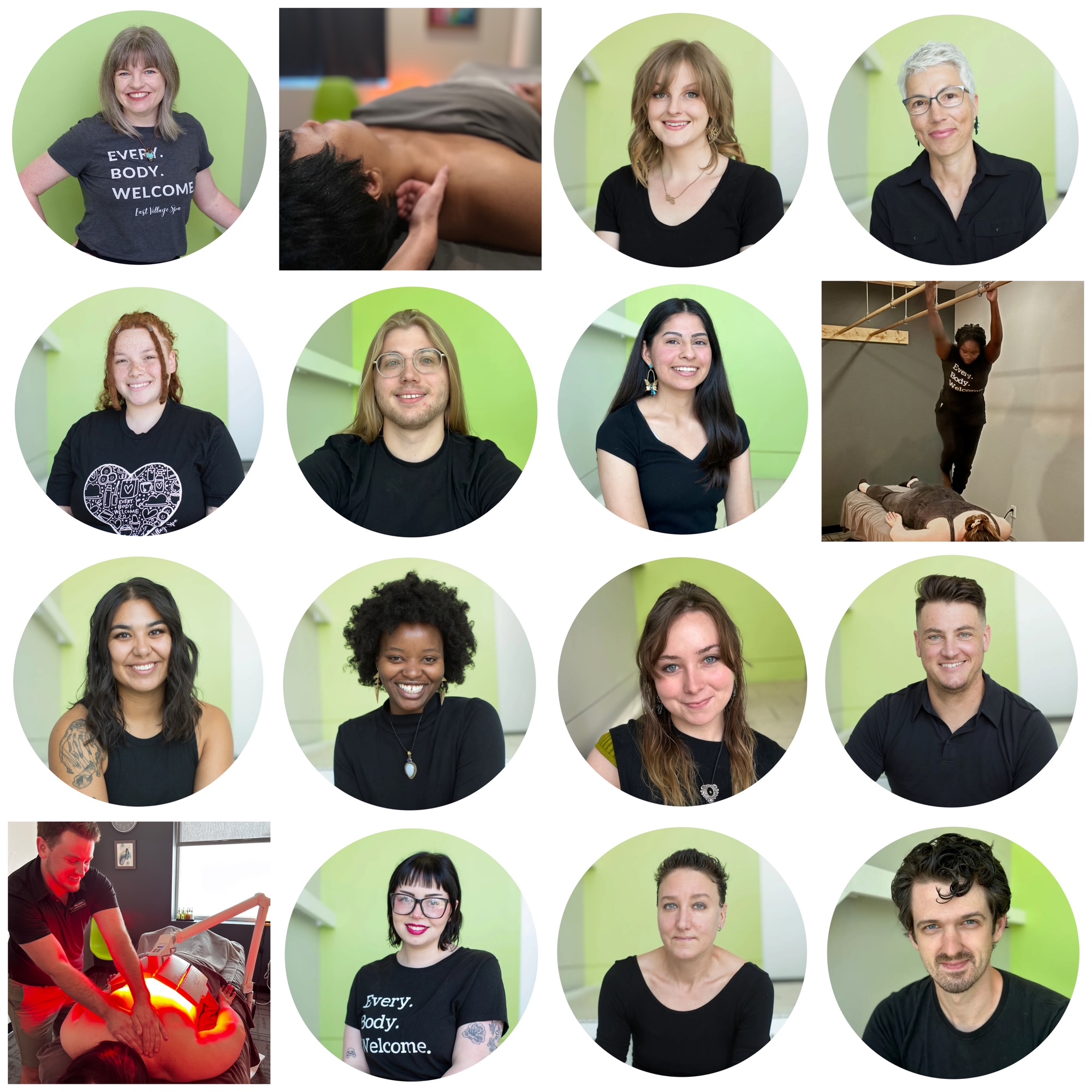
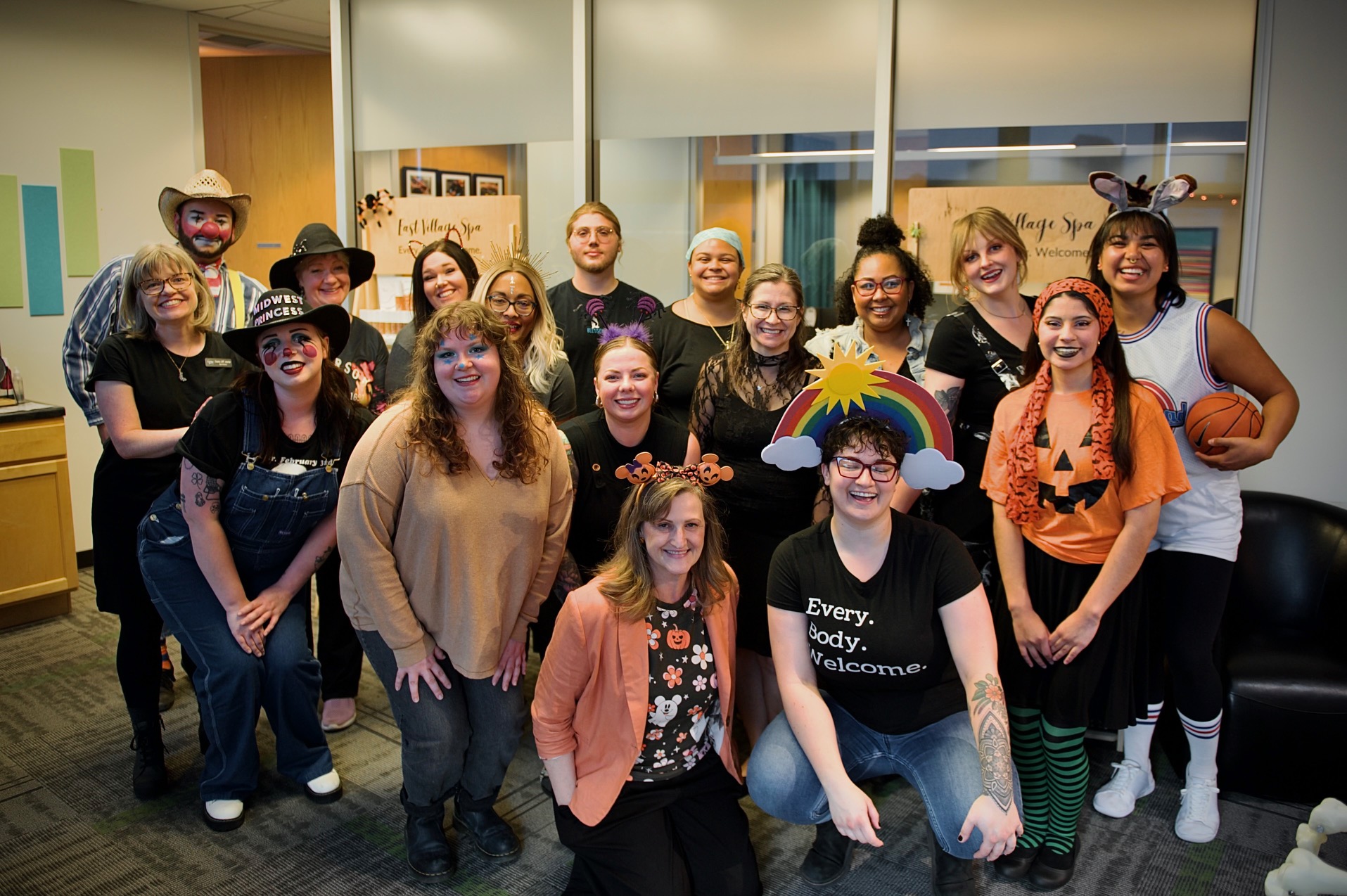
Cassie: I opened East Village Spa in 2008 after working at a chiropractic clinic and a medical spa and having my own practice. Frankly, I couldn’t find a place where I wanted to work that treated massage therapy as a career with good pay and benefits, so I decided to try to create what I wanted for myself. I was 28 years old, had no idea what I was doing, and was sure this wouldn’t last more than 5 or so years. I didn’t have a solid vision or niche, I didn’t have a genuine business plan, and I was winging it. We ended up needing to move to a bigger space within 5 years, and I certainly didn’t expect the spa to need to move another time (The very last time! I’m too old to do that again) two years ago into a 6000 square foot space with 15 treatment rooms, a nail salon, and over 30 team members.

When I started, I had an idea of what a spa was supposed to be and how a spa owner was supposed to act (ahem, far classier than I really am!) It wasn’t natural for me and created tension because, in hindsight, I was putting on a performance, and eventually, I couldn’t maintain that. I realized that we didn’t have to be the stereotype of a spa. I didn’t need to apologize for not having all the amenities of a resort spa or feel like I was constantly falling short.
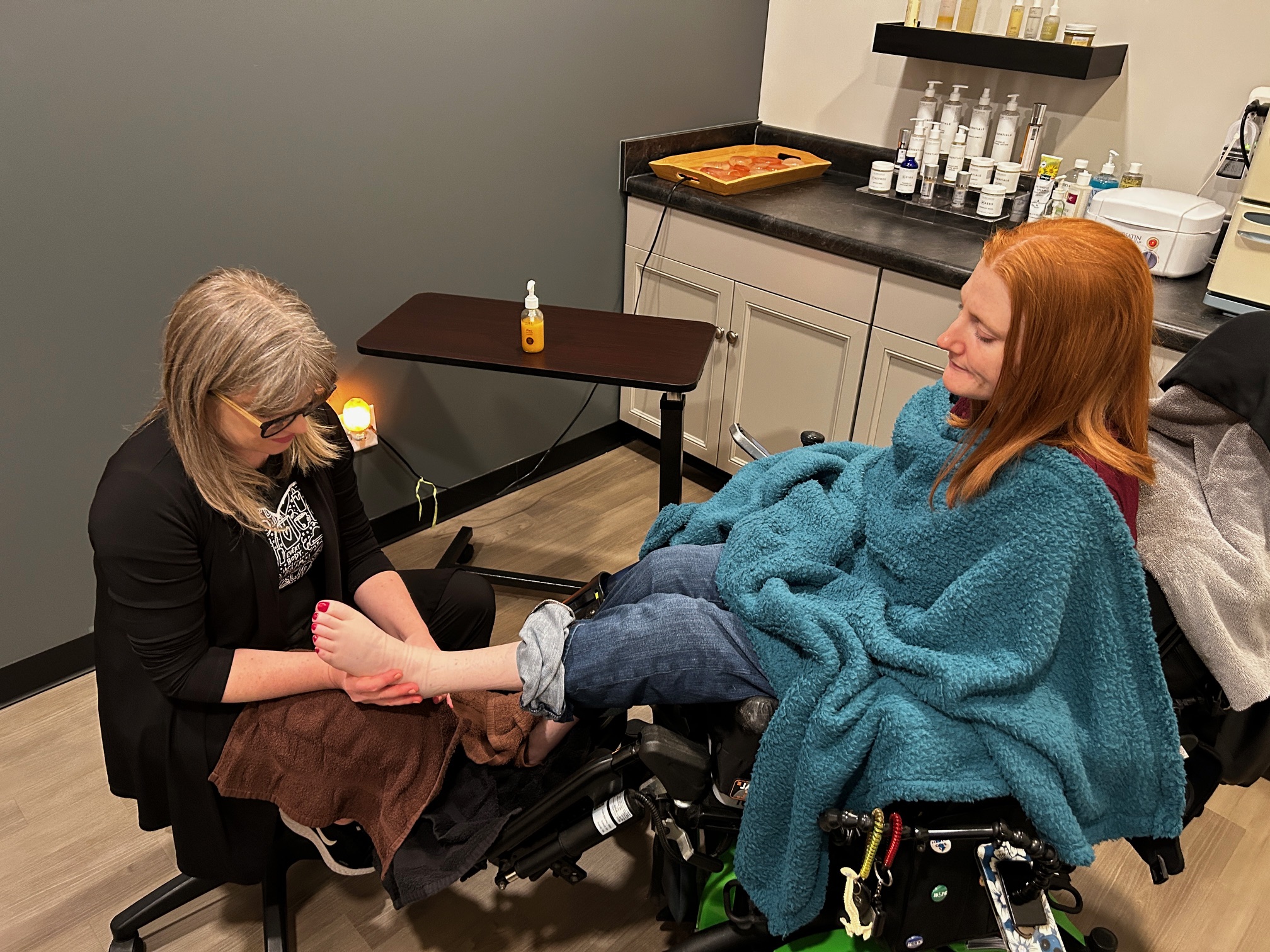
I then realized that there were lots of potential clients who were uncomfortable with what they thought a stereotypical spa was like. Once I came to terms with the idea that if we were trying to be the spa I “thought” people wanted and became the spa, I knew felt natural for me, I realized that I could reach out to the people who weren’t visiting spas. That’s when it all fell into place. I had to accept that in business, you will not be the right fit for every customer or employee, which is okay. The folks who love our spa REALLY love it because it is genuine, comfortable, and what they were seeking.


BWS: What significant challenges have you faced in building the spa, and what milestones are you most proud of achieving?

Cassie: The biggest challenges I’ve dealt with have been real estate issues, leases, and being in buildings I don’t own. There are always issues outside your control, whether that’s a surprise roof replacement that disrupts your services for months, issues with neighboring businesses, maintenance challenges or uncertainties if your building is sold. There are anxieties about “what happens if the city tears up the streets around my spa? Will customers still visit? What if the building going up next door takes up all the parking?” Over the years, as the spa grew, finding a physical location to accommodate our needs became very difficult. This is the most significant source of anxiety for me as I look to the long-term future.
BWS: What qualities do you prioritize when recruiting team members, and how has your approach evolved over time?

Cassie: In 17 years of owning a business and nearly 20 as a massage therapist, I’ve noticed that flexibility is the single most important skill for a successful team member and massage therapist.

You might see a new guest booked for a hot stone massage and have everything prepped and ready, but upon doing their intake, realize that what they need and want is an orthopedic style massage, done in side-lying to accommodate a positioning need after a recent surgery. Can you adapt quickly, communicate why you are adapting, and remain cheerful about the changes? Inflexible therapists either do not do a thorough enough intake to know they need to suggest a change, or they are flustered by the change and this comes across in their work.

You may have closely held beliefs about massage therapy, health, and wellness, you name it. When flexible people are presented with new information that challenges their beliefs, they listen, review the evidence, and decide whether their viewpoint should evolve.  Inflexible people get caught in the “that’s not what I was taught” cycle, which limits their growth as professionals. For example, perhaps you had an instructor or employer tell you that massage in the first trimester is dangerous. When presented with evidence to the contrary, flexible people will dive into the large body of research showing that massage therapy is safe AND beneficial throughout a healthy pregnancy. They’ll then update their policies and welcome all expectant guests, armed with evidence to support this evolution in their practice. Inflexible therapists will seek out one or two poorly executed studies to support their original belief, refusing to consider the alternatives.

BWS: As a Body Wisdom Massage School alumna, what advantages have you observed in employing fellow graduates (13 out of 18 therapists) at your spa?
Cassie: The most significant benefit to employing Body Wisdom graduates is that they experience a much larger pool of viewpoints from many instructors and get the opportunity to work with so many more classmates than at any school I’m aware of in Iowa. So many programs expose students to just 1-2 instructors, which limits their exposure to many techniques, philosophies, and ideas in this very broad profession. People who attend a program with a small core group of students only get feedback and practice from a few people, and those few fellow students significantly impact their skill development. At Body Wisdom, because of the way students can build their customized program around blocks of classes, they work with very diverse peers, including folks with severe health complications, pregnant classmates, even experienced LMTs taking continuing education. There is just no way to replicate that in a small program.

At Body Wisdom, many instructors differ in their beliefs about massage therapy and their preferred techniques and come from different backgrounds. This is a good thing. Students should be encouraged to explore ideas and try different techniques. Massage is not a “one size fits all,” and the more ideas you’re exposed to, even if you don’t agree with some of them, the better of a therapist you’ll be.
BWS: How do you cultivate a positive and collaborative culture among your staff, and what role does inclusivity play in this?

Cassie: Sometimes, I must remind folks who get offended or angry with co-workers to “assume positive intent.” Whenever you have a team of people, there will be friction, but in general, people are not out to get anyone, and our team really does care about their co-workers and the spa. We are human, and keeping your personal challenges or history out of work is impossible. A positive and collaborative work culture is like a relationship. It takes work, and there will be disagreements. It requires honesty, humility, and a willingness to have hard conversations, especially when assembling a team of folks with different experiences and expectations. If people hold grudges or aren’t willing to have honest discussions honestly about frustrations or perceptions, they aren’t going to be successful in any collaborative workplace; ours is no exception.

I have had employees visit me about something I did, or that they perceived I did that, they found upsetting or insensitive. Nobody wants to be told they’ve upset someone, but I see this as a gift. If an employee cares enough to initiate an awkward conversation with their supervisor so she can improve, that’s a big deal, and I don’t take it lightly.

Along those lines, we have had employees who were excellent massage therapists and popular with clients but made unkind or discriminatory remarks about their guests and co-workers. These folks are quickly dismissed, even if it means we’re short-staffed for a while. 
BWS: Thank you so much, Cassie, for sitting down with us today to discuss the evolution of East Village Spa. We wish you continued success with your amazing group of therapists in your wildly successful enterprise!!

NOTE: At Body Wisdom, we highly recommend Cassie’s East Village Spa as a place of employment for Body Wisdom Students. We know you’ll be treated right and have much fun in this business!!
Posted by: Body Wisdom | January 9, 2025

Is 2025 the Year You Begin Your Massage Therapy Career?

The new year brings new possibilities—and for many, 2025 is the perfect time to start a meaningful career in massage therapy. Suppose you’ve been dreaming of a profession where you can make a difference in people’s lives while enjoying flexibility, creativity, and personal fulfillment. In that case, this might be your year to take the leap.

Massage therapy is a growing field with endless opportunities to specialize, innovate, and succeed. However, not all training programs are created equal. That’s why Body Wisdom Massage School in Des Moines stands out as the place to launch your journey.

Why Choose Massage Therapy in 2025?
The demand for skilled massage therapists continues to rise as more people prioritize health, wellness, and self-care. Whether you’re passionate about working in luxurious spas, medical settings, or opening your own practice, massage therapy offers:

         •       Flexibility: Set your schedule and choose your work environment.

         •       Fulfillment: Help clients heal physically, emotionally, and mentally.

         •       Growth: Endless opportunities for specialization and ongoing learning.

What Sets Body Wisdom Massage School Apart?
At Body Wisdom, you’re not just earning a certification but building a career that aligns with your passions and goals. Our 900-hour Massage Therapist Program is designed to set you up for success with an unparalleled combination of core training and elective opportunities.


Here’s what makes Body Wisdom unique:

Tailored Career Paths While You Study:
Unlike many schools, Body Wisdom allows you to customize your education while still in school. With over 1,000 hours of electives, you can start specializing before graduation—whether that’s in sports massage, oncology care, spa therapies, or more.

Hit the Ground Running After Graduation:
You don’t have to wait to take additional courses or figure out your niche after school. By designing your ideal career path during your training, you’ll graduate ready to excel in the areas you’re passionate about.

Hands-On, Immersive Learning:
From day one, you’ll work with highly skilled instructors who bring decades of experience to the classroom. With small class sizes and personalized instruction, you’ll receive the support and expertise you need to thrive.

Build a Career You Love
Body Wisdom’s comprehensive program equips you with everything you need to succeed. You’ll master foundational skills while exploring specialized techniques, such as:

         •       Deep Tissue Massage

         •       Thai Massage

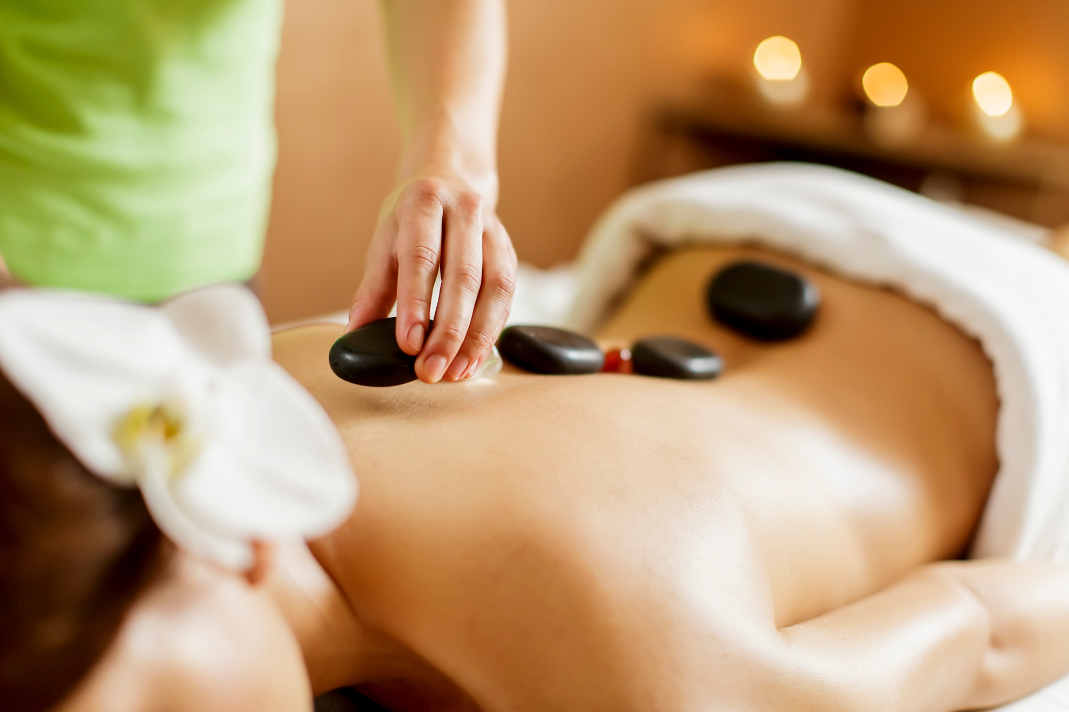
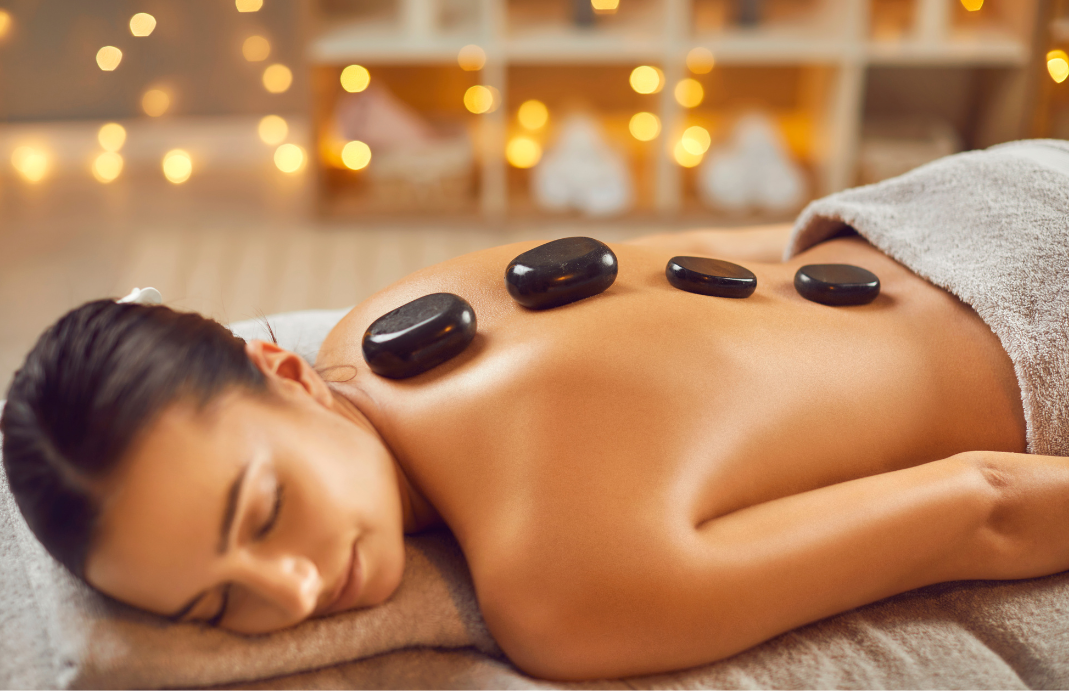
         •       Hot Stone Therapy

         •       Cupping and Myofascial Release

         •       Energy Work and Sound Healing

You’ll also gain the business and marketing skills essential for building a thriving practice, whether you dream of running your own studio or joining an established team.

Take the First Step in 2025
Starting a new career can feel daunting, but the right education makes all the difference. At Body Wisdom, you’re not just a student but part of a supportive community committed to your growth and success.

So, is 2025 the year you take control of your future and embark on a career you love?

Call today to learn more or schedule a tour of our school.

Make this the year you change your life—become a massage therapist with Body Wisdom Massage School.

Your future starts now. Will you take the leap?

Reach out today to schedule a tour of our school’s facility and connect with our exceptional student counselor, G. Kelly. G. is dedicated to helping you discover your path with insight, compassion, and thoughtful guidance toward the best future for you.

Contact G at 515-727-4890 or Email: G.Kelley@bodywisdomschool.com

Questions to Reflect on Your Year 2024
What was your most rewarding client interaction this year, and why?
How did your practice evolve or improve over the past 12 months?
What personal milestones did you achieve in and out of your work?

Accomplishments (And Why You’re Proud of Them)
Did you complete a new certification or course this year?
Did you grow your client base or receive more referrals?
Did you create a better work-life balance or improve your self-care routine?

Helpful Frameworks I Learned This Year
Techniques for reducing exertion while maintaining effectiveness.
Better scheduling or time-management strategies for client appointments.
Methods for deepening client relationships or enhancing communication.

Mistakes You Made This Year—And What You Learned From Them
Were there times you overbooked or neglected self-care?
Did you miscommunicate with a client, and how did you resolve it?
What adjustments did you make to avoid future errors?

Things I Changed My Mind On This Year
A technique or modality you initially doubted but came to appreciate.
A new perspective on work-life balance, pricing, or client retention.
A different approach to maintaining your energy during sessions.

Favorite Books I Read This Year
Books on massage therapy or anatomy.
Personal development or business books that enhanced your practice.
Novels or non-fiction that inspired or relaxed you.

Favorite Podcasts From This Year
Wellness or massage therapy podcasts that deepened your knowledge.
Business or entrepreneurship podcasts for improving your practice.
Mindfulness or meditation podcasts for personal growth.

People I Started Following This Year Who Added Value to My Life
Influential therapists or educators in the industry.
Thought leaders in self-care, wellness, or entrepreneurship.
Clients or peers who inspired new ways of thinking.

Positive Habits I Started This Year
Regular stretching, yoga, or exercise to prevent burnout.
Journaling or reflecting after sessions to track progress.
Setting boundaries with work hours to protect personal time.

Bad Habits I Broke This Year
Overworking or skipping meals during busy days.
Taking on too many clients without breaks.
Neglecting ongoing education or professional development.

Habits I Want to Build in 2025
Consistent marketing or social media engagement.
Scheduling more time for self-care or professional training.
Improving posture and ergonomics during sessions.

Books I Want to Read in 2025
Titles on advanced massage techniques or business growth.
Books on mindfulness, emotional intelligence, or communication.
Inspiring biographies or fiction for downtime.

Goals I Have for the Year Ahead
Expanding your practice, adding new modalities, or creating workshops.
Enhancing client education about the benefits of massage.
Building stronger personal and professional boundaries.

Frameworks I’m Using to Guide My New Year
A daily or weekly routine for self-care and reflection.
SMART goals to measure progress in your practice.
Techniques for cultivating gratitude and mindfulness.

Books I Will Re-Read This Next Year
Foundational massage therapy books or anatomy references.
Favorite personal development titles that keep you grounded.
Inspirational or spiritual books that resonate with your journey.

Skills I Acquired This Year (That I Didn’t Have 365 Days Ago)
A new massage technique or modality.
Better client communication or marketing skills.
Enhanced self-care strategies to prevent fatigue or burnout.

New Year’s Resolutions for Wellness Pros:

Professional Growth
Complete a new certification or advanced training course.
Explore a new modality like cupping, Thai massage, or IASTM.
Stay updated on the latest research in massage therapy.
Build a stronger professional network by attending industry events.
Mentor a new therapist or intern.
Improve note-taking and documentation skills for client sessions.
Create a portfolio showcasing your specialties.
Join a massage therapy association to expand your professional reach.

Client Care
Develop a better system for tracking client progress.
Create personalized self-care plans for clients to maintain between sessions.
Educate clients on the long-term benefits of regular massage.
Implement a new intake form to better understand clients’ needs.
Commit to being fully present with each client during every session.
Practice active listening to deepen client trust and connection.
Send follow-up messages to clients after their sessions.
Introduce new techniques to enhance client relaxation and recovery.

Self-Care
Schedule regular massages for yourself.
Incorporate daily stretching or yoga to prevent strain.
Set clear boundaries around work hours to avoid burnout.
Practice mindfulness or meditation to stay grounded.
Focus on ergonomic improvements, such as adjusting your table height.
Commit to proper hydration before and after sessions.
Develop a post-session recovery routine to relax and recharge.
Prioritize sleep to stay energized and focused.

Business Development
Redesign your website or update your branding.
Start or enhance your social media presence.
Implement an online booking system for convenience.
Create educational content (blogs, videos, newsletters) to share your expertise.
Offer a referral program to attract new clients.
Establish partnerships with local wellness businesses.
Revamp your pricing strategy to reflect your skills and expertise.
Organize a client appreciation event or promotion.
Get a Wellness Business Coach

Personal Development
Read a book on personal growth or massage therapy every month.
Cultivate gratitude by journaling three things you’re thankful for daily.
Learn a new skill unrelated to massage to diversify your interests.
Focus on improving emotional intelligence to connect better with clients.
Strengthen your public speaking skills for workshops or community events.
Develop a hobby to create balance outside of work.
Practice positive affirmations to build confidence.

Work Environment
Declutter and reorganize your massage space.
Create a calming playlist to enhance your workspace.
Experiment with aromatherapy to create a more inviting atmosphere.
Invest in new tools or equipment to enhance your practice.
Update your décor to reflect a more relaxing or professional vibe.
Implement energy-clearing techniques to keep the space grounded.
Improve lighting for a soothing environment.

Financial Goals:
Save a portion of earnings for future training or certification.
Develop a monthly budget to manage personal and business expenses.
Invest in quality tools and materials to elevate your services.
Set a specific revenue goal for 2025 and create a plan to achieve it.
Explore passive income opportunities, like creating an online course.
Build an emergency fund for unexpected expenses.

Community Engagement
Volunteer massage services for a local charity or event.
Collaborate with other wellness professionals to host workshops.
Start a blog or podcast to share your knowledge with the community.
Organize free educational sessions on the benefits of massage therapy.
Support local businesses by partnering for cross-promotions.
Engage with clients through holiday or seasonal events.

Best of Luck in Your Practice for 2025,

The Body Wisdom Team

Wellness treatments are shifting beyond traditional methods, embracing innovative approaches that offer more holistic and transformative experiences. One exciting trend in the massage and wellness industry is the rise of multi-sensory experiences designed to engage all five senses. These treatments provide more profound relaxation, enhanced healing, and moments of tranquility that leave a lasting impression.

Combining elements like sound, scent, touch, and visual immersion, these experiences go far beyond the physical benefits of massage to create a truly transformative journey for the mind and body.

NOTE: While some of the innovations at top spas worldwide might feel out of reach for the average massage therapist, I’m excited to share a few ideas I’ve tried in my “massage research kitchen”—and they’ve been a great success! These simple yet effective touches can help you elevate your practice without breaking the bank. Let’s dive in!

What Are Multi-Sensory Experiences?
Multi-sensory experiences involve intentionally using various stimuli to create a holistic and immersive environment. Instead of relying solely on the sense of touch, as in traditional massage, these experiences integrate:

         •       Sound (e.g., music, sound baths, or 3D audio therapy)

         •       Scent (e.g., aromatherapy or scent diffusion systems)

         •       Sight (e.g., visual art, virtual reality, or chromotherapy)

         •       Touch (e.g., specialized massage techniques or unique textures)

         •       Taste (e.g., herbal teas or infused waters offered pre- or post-treatment)

These elements work together to deepen relaxation, increase engagement, and enhance the therapeutic impact of wellness treatments.

Why Multi-Sensory Experiences Are Gaining Popularity

1. Stress Reduction in a Busy World
Today’s clients are looking for ways to completely disconnect from the chaos of daily life. Multi-sensory experiences offer an escape, fully immersing them in a calming environment that helps alleviate stress and anxiety.

2. Personalized Wellness
With a growing demand for tailored treatments, multi-sensory approaches allow therapists and spas to curate unique experiences for each client. Whether it’s selecting a specific aromatherapy blend or choosing a soundscape that resonates, clients feel their needs are being fully addressed.

3. Enhanced Healing
By engaging multiple senses, these treatments tap into the interconnectedness of the mind and body, promoting deeper relaxation and more effective healing. For example, combining sound therapy with massage can amplify its calming effects by slowing heart rate and reducing cortisol levels.

4. Memorable Experiences
In a competitive wellness market, spa and massage therapists leverage multi-sensory treatments to stand out. These experiences leave a lasting impression, encouraging repeat visits and referrals.

Multi-Sensory Innovations in Massage and Wellness

1. Soundscapes and Vibroacoustic Therapy

3D Audio Experiences: Clients listen to personalized soundscapes through headphones or speakers during a massage, creating an immersive auditory journey. 

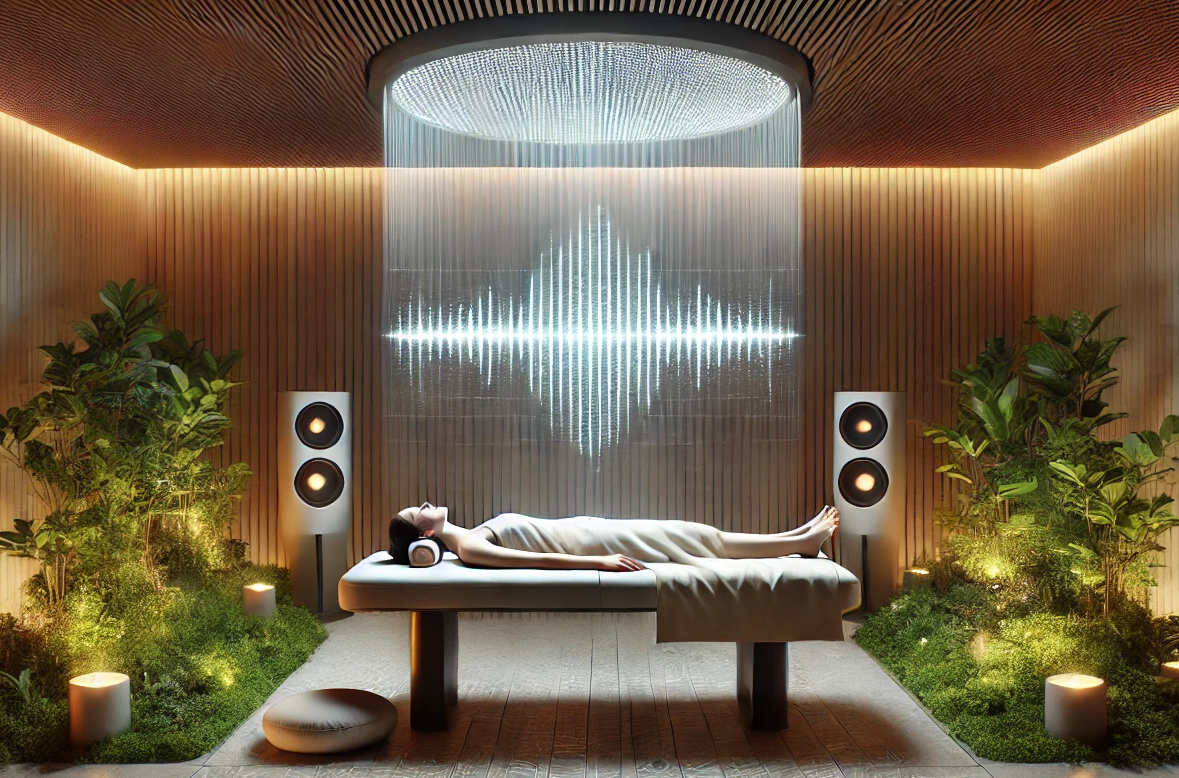
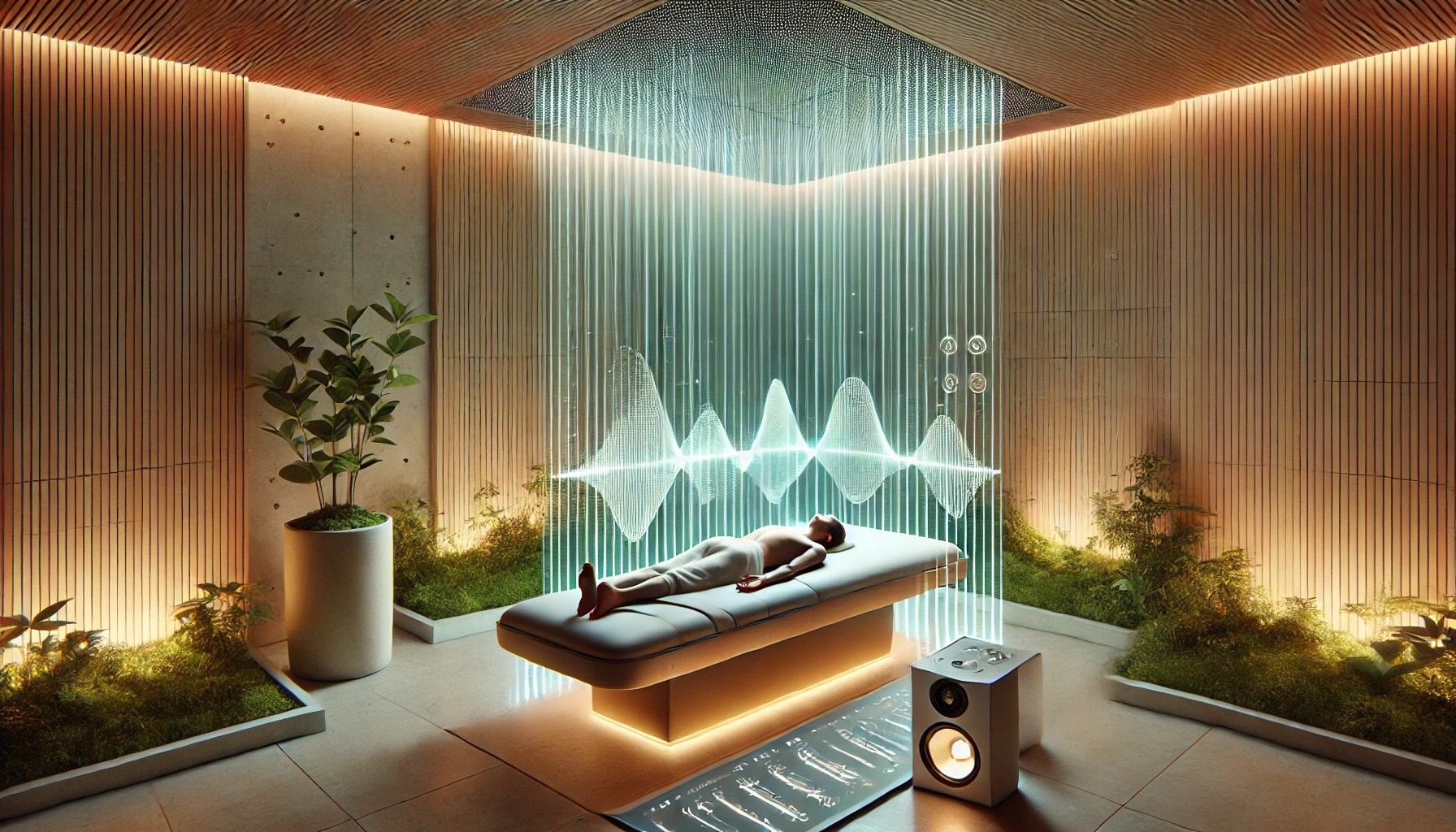
NOTE: I have a set of additional speakers hooked up to a sound system connected to my Vibroacoustic Table. Some therapists use sound-canceling headphones for a similar effect. So, in effect, in my setup, there are two sound sources: one from the Sound Table and one from the External Speakers. I can use a different sound source in each, allowing me to explore the use of ‘Binaural Beats,’ for example.

This category also includes the type of sound you use, and there are many options. You can put together an excellent Spotify playlist or use the real-life Nature Sounds from Earth FM recorded worldwide! NOTE: I have various music sources and types of music and sound for different purposes.

Vibroacoustic Therapy Tables: These tables deliver powerful vibrations synchronized with music to promote relaxation and reduce pain.

NOTE: This is a fantastic upgrade—I can’t recommend it enough! You’ve probably seen those pricey options advertised all over Instagram, and if you’re running an established spa and have $3,000-$6,000 to spend, there are some gorgeous choices out there. NOTE: If you opt for a commercial Sound Table, be aware that Opus has been known for NOT delivering orders after payment! Check it out online, and be careful!!
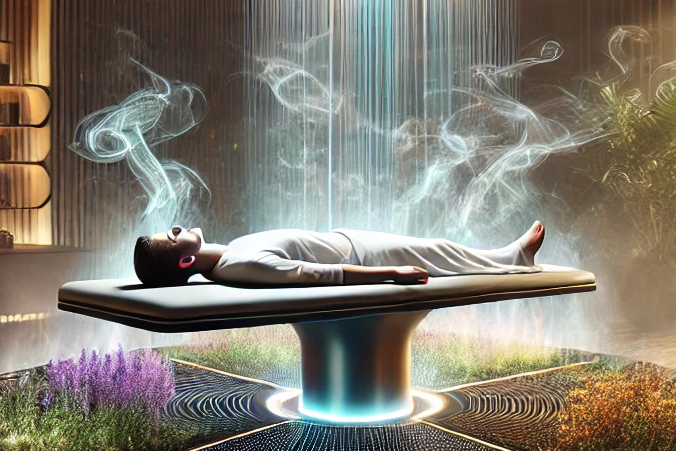
The Feeling: Imagine this—you’re lying on a Vibroacoustic Sound Table, and the music doesn’t just play in the background; it resonates through your entire body, right down to your bones. Every cell feels alive with the rhythm and flow. With the right soundscape, it’s like being immersed in nature—feeling as though you’re resting on a gently flowing river or surrounded by the serene sounds of a tropical rainforest. All this happens while you get the most incredible massage. It’s an experience like no other!
2. Aromatherapy with a Twist
Dynamic Scent Diffusion: Advanced systems change scents throughout a session to complement different phases of relaxation or stimulation.

NOTE:  I have tried the new waterless diffusers, which work great.  A little secret I’m trying to increase the multi-sensory effect is using the aroma Petrichor, which is the scent of rain after it hits the ground.  Since I love to use a tropical rainforest soundscape, I imagined this would add to the effect, and it does.  I use a tiny USB fan to blow the aroma in the direction of the table and to give a “breeze effect.” By the way, the smell of ‘approaching rain’ is actually the same smell you get from an ion generator, which is created by lightning in the real world. (FYI, unfortunately, ion generators are NOT healthy for you; don’t use them in a massage room) keep it natural and enjoy the magic).

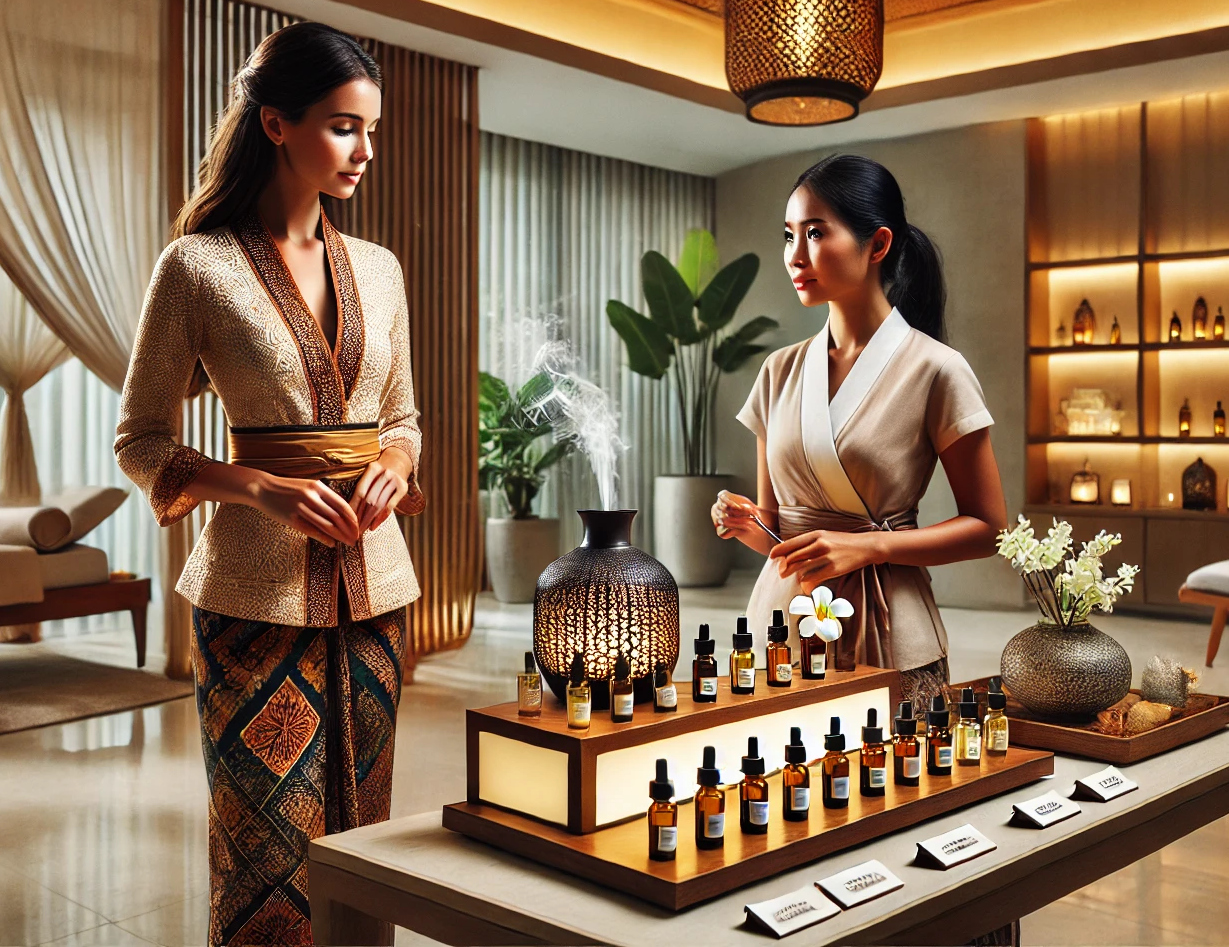
Personalized Aromatherapy: Clients choose custom blends of essential oils that align with their goals, whether it’s relaxation, energy, or focus.

NOTE: This is a common practice in spas across Asia, and it’s such a thoughtful touch! Before your massage, during the brief consultation, clients get to choose from three different aromas to personalize their treatment. Some high-end spas even take it a step further, selecting the aroma based on a 5 Element analysis from Traditional Chinese Medicine—how cool is that? The idea is simple but powerful: customizing the experience to make it truly unique for each person. It’s a small detail that leaves a big impression

3. Virtual Reality (VR) Integration
Virtual reality (VR) is transforming the wellness industry, offering clients an immersive escape that complements the healing power of massage. By integrating VR headsets into treatments, clients are transported to serene landscapes like quiet beaches, lush forests, or magical worlds designed to evoke calm and wonder. These virtual environments enhance relaxation and provide a unique form of escapism that helps clients disconnect from the stresses of everyday life.

NOTE: The possibilities here are truly endless! While it can be costly, incorporating this would set you apart—and it’s already making waves in spas worldwide. Imagine being able to choose from:

A Quiet Beach Retreat: Gentle waves lap at the shore as the sun sets on the horizon. Clients can almost feel the warmth of the sand beneath them and the breeze on their faces as they relax into the rhythm of their massage.

A Lush Forest Sanctuary: Towering trees and dappled sunlight create a cocoon of serenity. The soft rustle of leaves and distant birdsong amplify the sense of grounding and connection to nature.

A Peaceful Japanese Garden: A bubbling stream winds through vibrant greenery, with koi fish gliding gracefully in clear waters. The soothing ambiance of this tranquil scene invites mindfulness and reflection.

A Cozy Alpine Chalet: Snow falls softly outside as clients unwind by the flickering glow of a virtual fire. This escape offers warmth, comfort, and a sense of deep relaxation.

A Stargazing Experience: Imagine floating beneath a vast, starlit sky, the Milky Way stretching endlessly above. Clients can drift into a meditative state, feeling the expansiveness of the universe as tension melts away.

Guided meditations or visual journeys can also be incorporated into these experiences, helping clients achieve mindfulness alongside physical treatments. For example, a VR session might include calming narration that leads clients through breathing exercises or gentle body scans while the massage therapist works their magic.

Although incorporating VR technology requires an initial investment, it’s a game-changer that can set your practice apart. Spas worldwide are already embracing this innovation, and it’s easy to see why. Combining the physical touch of massage with the immersive power of VR creates a relaxing and deeply transformative experience.

Imagine your clients leaving refreshed with memories of a serene escape they’ll carry with them long after the session ends. It’s wellness reimagined, offering a new level of care and connection that keeps clients returning for more.

4. Chromotherapy (Light Therapy)
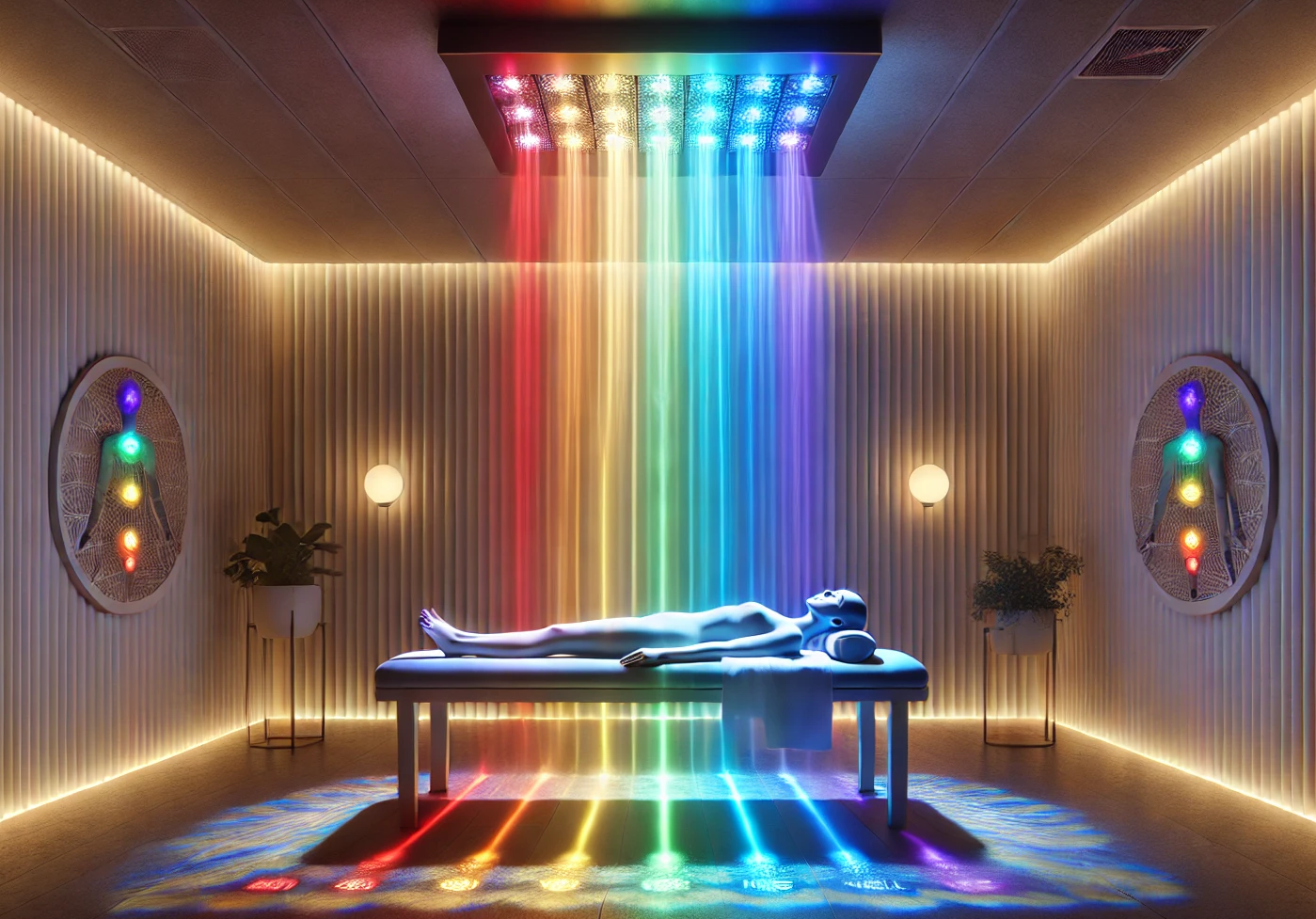
Colored lights in treatment rooms influence mood and energy levels. Soft blues and greens promote calm, while warm yellows and oranges energize. Some spas use light therapy panels or LED systems that shift during the session to guide the client through various emotional states.

NOTE: There are so many exciting options here! I’ve used Red Light Therapy, which has its established therapeutic benefits alongside other elements. I’ve also envisioned (but haven’t built yet!) a lighting setup that would sit above the massage table and incorporate chromotherapy. The idea is to shine different colored lights over the client, aligning with their respective chakras for added therapeutic value. It’s a creative way to bring an extra layer of healing into the experience!

5. Taste as a Wellness Element
Herbal teas and infused waters offered before or after treatments enhance the sensory experience. Wellness retreats may include meals or snacks aligned with treatment themes, such as detoxifying or calming ingredients.

NOTE: I’ve used this practice extensively when designing spa treatments for 5-star spas in Southeast Asia, including the renowned Ayana Spa in Bali, where I’ve implemented several therapies. In Southeast Asia, no spa experience is complete without starting with a refreshing beverage before the treatment and ending with a thoughtfully chosen snack afterward. These little touches align with the treatment’s overall theme, creating a holistic and memorable experience for the client. It’s such a simple but impactful way to elevate the service!

6. Immersive Touch Therapies
Therapists integrate textures, such as silk wraps or heated stones, to provide varied tactile sensations during massage.

NOTE: Again, looking to SE Asia and Bali, which is really the spa capital of the world, they like to use a variety of touch sensations to add a slight variation and interest to their treatments.  A fingernail walk on the back of the legs sounds terrible but feels fantastic. Tapping on the skull lightly at the end of treatment or tapping lightly with thin rattan sticks on the back of the body.   I also like the idea of varying speed and pressure throughout the massage.  I like to think fast/slow and hard/soft to keep the treatment fresh.

Water-based therapies, like underwater massage or advanced flotation tanks, combine the sense of touch with water’s soothing properties.

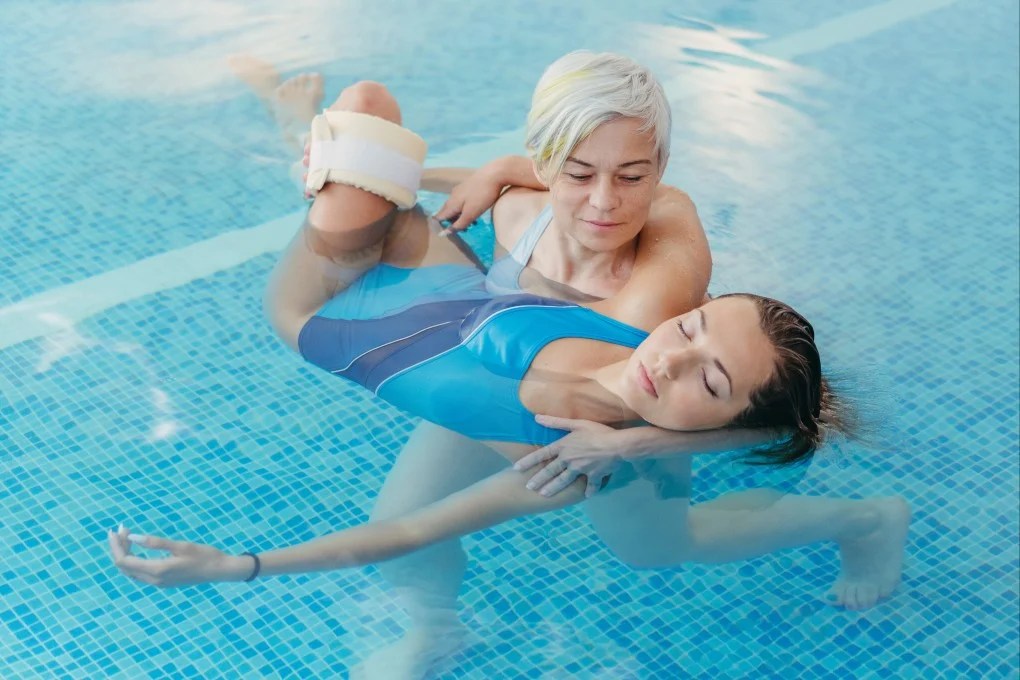
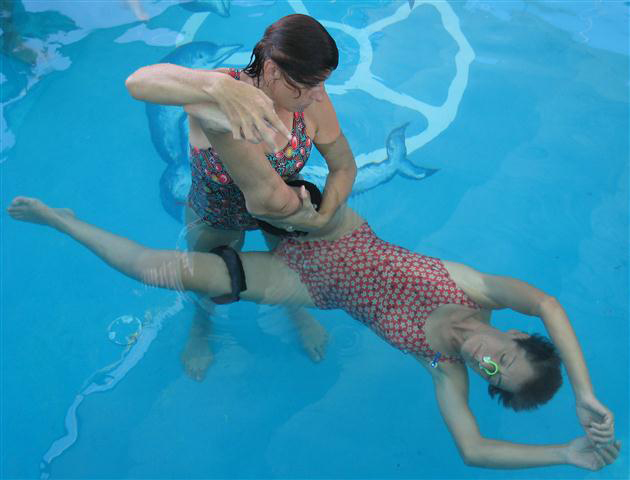
NOTE: If you are unacquainted with Watsu and Water Dance, my two favorite therapies, they are nothing short of amazing!!  You would need a Watsu Pool, which is quite a lot in and of itself, especially in colder climates, but you would be doing something that no one else does.  My motto has always been, “There is no competition in this business if you set yourself apart in some unique way.”  I used to live on-site where they invented these two therapies.  You would need some additional training, but the techniques themselves are nothing short of amazing!! 

The Science Behind Multi-Sensory Healing
Engaging multiple senses has a profound impact on the brain and body:

Reduces Stress: Multi-sensory stimuli activate the parasympathetic nervous system, helping to lower heart rate and blood pressure.

Enhances Focus: Engaging all senses can quiet mental chatter and help clients stay present in the moment.

Improves Mood: Sensory elements like sound and scent trigger dopamine release, promoting happiness and relaxation.

Boosts Memory: Unique, multi-sensory experiences are likelier to leave a lasting impression, fostering long-term loyalty to therapists or spas.

Examples of Multi-Sensory Wellness in Action

Six Senses Resorts
Known for their holistic approach, Six Senses integrates sound therapy, aromatherapy, and chromotherapy into their spa treatments, creating a fully immersive environment.

Local Innovations
Smaller spas and therapists are getting creative, using simple tools like essential oil diffusers, curated playlists, and adjustable lighting to bring multi-sensory wellness to their clients.

How Massage Therapists Can Incorporate Multi-Sensory Practices

Start Small:
Introduce aromatherapy or a curated playlist to your sessions.
Experiment with lighting or candles to create a calming environment.

Invest in Technology:
Look into vibroacoustic tables or affordable sound systems to elevate your offerings.
Explore portable VR devices or apps for mindfulness integration.

The Future of Massage and Wellness
As the wellness industry evolves, multi-sensory experiences will play a central role in shaping how we approach relaxation, healing, and self-care. By engaging the senses, therapists and spas can create treatments that not only soothe the body but also rejuvenate the mind and uplift the spirit.

Bringing these elements into your practice doesn’t just make sessions better—it makes them unforgettable! It’s your chance to stand out as a trailblazer in the ever-evolving wellness world. So, why stick with the usual when you can craft something extraordinary? The path to multi-sensory relaxation and innovation starts right here.

When done right, massage, bodywork, and the wellness industry become a playground of endless creativity. The more you explore, the more fun you’ll have—and trust me, with constant evolution, this profession will never feel old. It’s time to keep the spark alive and take your practice to the next level!

Any questions? Feel free to contact me at rhetthatfield@earthlink.net

Rhett Hatfield

Posted by: Body Wisdom | December 28, 2024

Take an Awe Walk: Discover the Magic in the Mundane

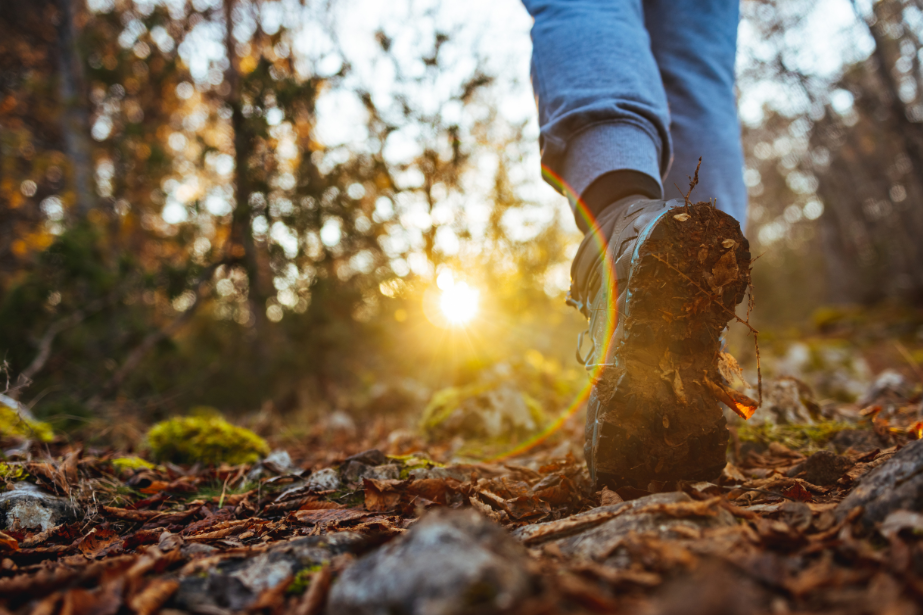
Feeling stressed, stuck, or just plain blah? It’s time to lace up your sneakers and take an Awe Walk—a simple, zany, and life-changing way to connect with the world around you. Think of it as a stroll where curiosity is your compass, and wonder is your goal.

What’s an Awe Walk?
An Awe Walk isn’t just a regular walk. It’s about intentionally looking for things that fill you with amazement, delight, or sheer curiosity. Whether it’s the symmetry of a spiderweb, a cloud that looks suspiciously like your dog, or the epic drama of ants working together to carry a crumb—this walk is all about noticing the extraordinary in the ordinary.

How to Take an Awe Walk:

Pick Your Path: It could be a park, a busy street, or a backyard. With the right mindset, anywhere can be awe-inspiring!

Unplug: Leave your phone behind or on airplane mode (we mean it—no doomscrolling!). This is all about presence.

Be a Kid Again: Approach the world with wide-eyed curiosity. Ask questions like, “Why is the sky so blue today?” or, “How does that bird stay up without flapping every second?”

Slow Down: No power-walking here. Take your time, breathe deeply, and let your eyes wander.

 Celebrate the Little Things: A leaf sparkling with dew? A funky-shaped rock? Celebrate them like you just discovered treasure.

The Benefits of an Awe Walk

Stress Reduction: Awe naturally lowers cortisol levels, leaving you feeling refreshed and more grounded.

 Boosted Creativity: Noticing the world’s wonders sparks inspiration—it’s like a massage for your brain!

 Improved Mood: Awe triggers feelings of gratitude and joy. Who doesn’t need more of that?

 Connection: It helps you feel part of something bigger—like the universe gave you a high-five.

Awe We Done Yet?

Not quite. Here’s your challenge: Take an Awe Walk this week. Notice the tiny miracles hiding in plain sight, and let them remind you how wonderful life can be.

Who knows? You might just find yourself grinning at a flower, marveling at a squirrel’s acrobatics, or laughing at how absurdly majestic pigeons think they are.

So, grab your shoes, step outside, and prepare to be awed!

The Body Wisdom Team


BWS: “Jill, you have such an interesting background! Can you tell us about your journey from nursing to massage therapy? What inspired you to make that change?”
Jill: I first felt a calling or nudge to do massage therapy in high school. After high school, I went to UNI on a violin scholarship but then changed to Biology. I worked for a holistic DO and then decided to attend Nursing School at Grandview College. After 5 years of being a nurse in the traditional hospital setting, I went to work as a hospice nurse. During that job, the calling was much more vital to attending massage therapy school, and that’s when I enrolled at Body Wisdom. I loved my career in nursing, but I reached a point of burnout in my nursing role and needed a change. I was scared to leave a steady corporate job, but taking on a new challenge was scary and exciting. I was inspired to find a more rewarding career. I decided to take the leap and dive into being self-employed as a massage therapist full-time one year ago. 

BWS: “What aspects of nursing do you think prepared you well for a career in massage therapy?” “How did your perspective on healing shift as you transitioned from nursing to massage therapy?” “Are there skills or approaches from nursing that you bring to your massage practice?”

Jill: I believe nursing prepared me well for a career in massage therapy in several ways. At the physical level, I could apply anatomy/physiology and witness how patients went from being weak and ill to gaining strength during their healing process. Being a nurse made me stronger mentally and emotionally. Since I cared for people at their worst, it taught me how to have boundaries and inner strength to not take patients’ negative behaviors personally since they were ill. After doing sick care, I was guided and moved into preventative wellness care by being a Nurse Coach. In this role, I was able to help patients deal with and manage chronic conditions by interviewing and practicing deep listening. I learned and practiced the Motivational Interviewing approach to the change process. This encompasses the psychological and emotional aspect of nursing. This prepared me for working with clients receiving massage therapy. As a massage therapist, I witness the clients’ greater level of ‘wellness readiness’, and I enjoy meeting them. I like to interview massage clients, similar to when I was a nurse. Clients who decide to receive massage therapy invest in their health. I get fired up when people take action to actually be healthy! It’s a privilege to be alongside them to facilitate healing and feeling better in the fantastic therapy of bodywork.

BWS: “What do you enjoy most about your role here at Body Wisdom Massage School?”
Jill: I love the atmosphere of a learning environment because it inspires me to have many future therapists around and get to know them personally while they explore how they want to shape their massage careers. A unique energy or presence of healing and healers is inspiring. I have always been and will be a lifelong learner, so I feel at home in my role at Body Wisdom Massage School.

BWS: “How do you see your nursing background influencing your work with students at Body Wisdom?”
Jill: My nursing background contributes to Body Wisdom. I use my coaching experience and medical knowledge to answer questions and support students. In the clinic setting, I also like to use motivational interviewing and open-ended questions to engage students after their shifts and support them as best I can.

BWS: “How do you support students as they grow in their practice?”
Jill: I think I am a natural encourager; this is a supportive way I can help the students grow in their clinical practice. I believe talking through the client’s feedback with them and listening to their perspective helps support them, gain confidence, and grow as a therapist. Since transitioning from a very part-time LMT to a full-time LMT and entrepreneur last December, I have significantly grown this past year. I think sharing my experiences and vulnerability may help students open up to sharing experiences and challenges with which I can try to support them.

BWS: “If there’s one thing you hope every student takes away from Body Wisdom, what would it be?”
Jill: To have the courage to listen and follow their intuition and dreams!

BWS: “Can you tell us a bit about your massage practice? What work do you enjoy most, and what areas do you specialize in?”

Jill: I specialize and enjoy combining therapeutic massage with deep tissue and myofascial for most massage sessions. My practice also includes an energy component with sound instruments and the Biomat. Additional modalities I can offer include sports techniques, Thai stretching, bamboo, Himalayan stones, cupping, and barefoot bars. Often, I will mix and match these modalities into the session as well. In addition to bodywork, I offer other holistic services in my practice that focus on restoring mental and emotional wellness, such as wellness coaching and Emotion Code. I am an Emotion Code Practitioner, Registered Nurse, and Wellness Coach. With this training, my clients can have a good balance of therapies. 

 BWS: “What do you feel sets your approach to massage apart, and how do you think your clients benefit from that unique approach?”
Jill: My approach to massage sets me apart from others for a few reasons. I am unique because of the combination of skills I bring to the client, including my background in nursing, music, and athletics. I can blend my varied skills, talents, and credentials to offer individuals a unique and beneficial experience to achieve holistic healing. 

BWS: “Looking ahead, what are some of your goals for your massage practice?”
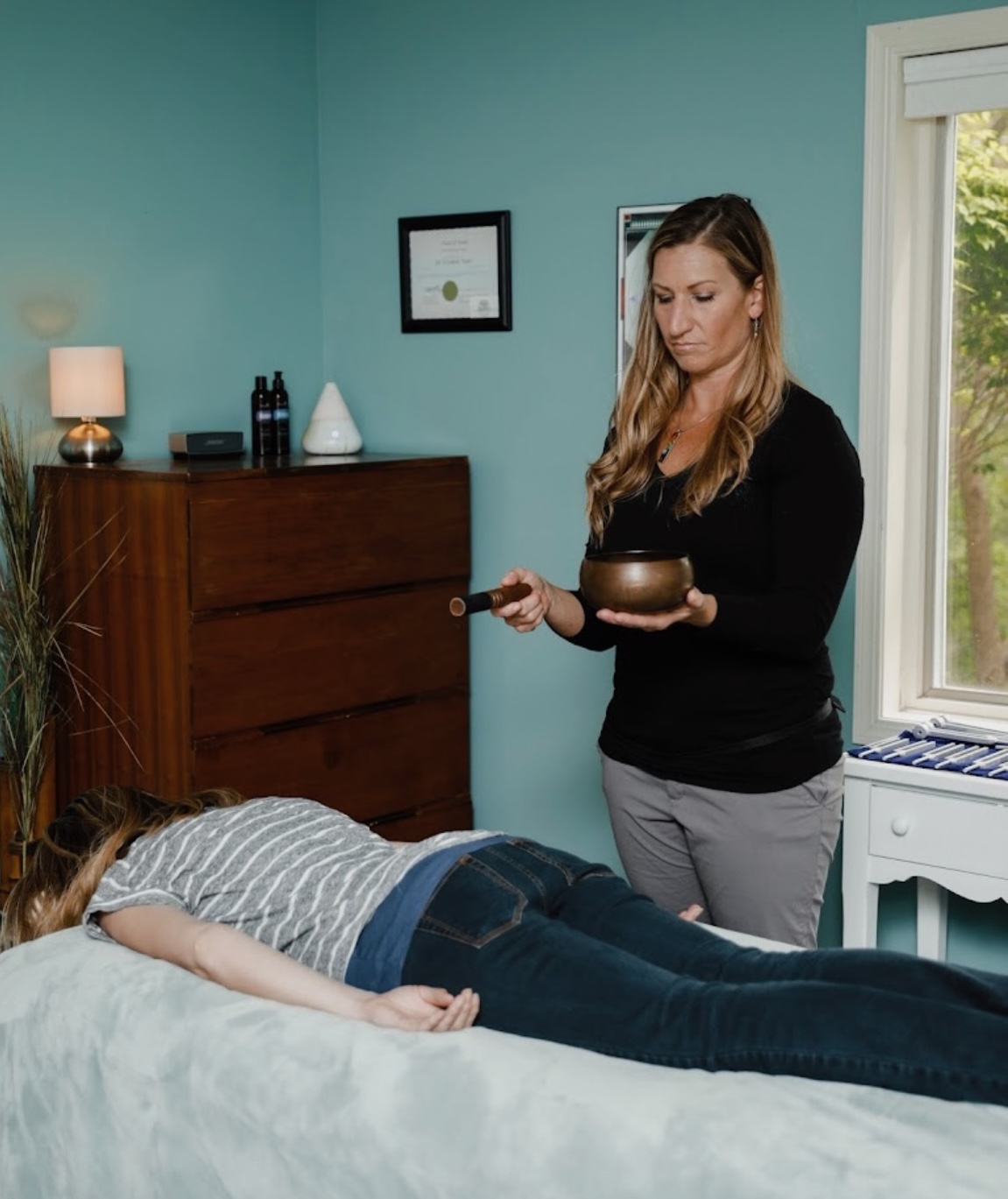
Jill: A goal I am excited about for my massage practice is to add more frequency, vibration, and sound modalities. I plan to offer group and individual sound healing/acoustic sessions. I have started slowly incorporating bowls, tuning forks, bells, chimes, drumming, etc. into my massage sessions.  With my violin ability, I can also add this as a healing modality to clients in a corporate/group atmosphere or individually.  Another option I can add frequency healing is with a microcurrent frequency device called, Healy. This is an FDA-approved medical device that treats pain and other conditions non-invasively. I also love retreats and want to bring my massage therapy practice and sound healing services to individuals and/or groups in a retreat setting or healing space.

BWS: “Is there an area of massage or wellness you’re excited to explore or incorporate into your work in the future?”
Jill: Albert Einstein said, “Future Medicine will be the Medicine of Frequencies.” And Nikola Tesla said, “If you want to find the secrets of the universe, think in terms of energy, frequency, and vibration.” With my business name, Divine Harmony, a colorful frequency wave and music symbols in my logo represent my passion for sound and frequency healing. I’m excited to incorporate more sound and acoustic modalities into my practice. Recently, I took the Sound Healing course at Body Wisdom. I have a passion and background in music and violin playing, so mixing sound/music with massage seems natural. Most people know how music/sounds have healing effects, and I would love to offer my violin talents to individuals in a creative capacity. I plan to purchase a bioacoustic mat for my massage table, which could combine massage with vibrational therapies. In addition to sound healing and massage, I also feel I could offer wellness coaching services to my massage clients to benefit their wellness and assist them in designing their picture of holistic health. Another service I provide for clients is Emotion Code. This energy-healing technique identifies and releases trapped emotions to live a calmer and happier life. This technique was developed by Dr. Bradley Nelson, and I am certified to practice the Emotion Code. I am passionate about emotional healing as many people have a lot of trapped emotional energies in their bodies that prevent them from whole health. 

BWS: “What kind of impact do you hope your practice will have on your clients and community over the coming years?”
Jill: I want people to value bodywork, coaching, and alternative healing modalities in their wellness routines by prioritizing it in their schedule. Since preventative medicine is critical, I believe having a quality Massage Therapist who is also a Violinist, Sound Healing Practitioner, Emotion Code Practitioner, Health Coach, and Registered Nurse could really impact and improve their wellness over time by working with me. I have much to offer someone looking to enhance their wellness over the long term.

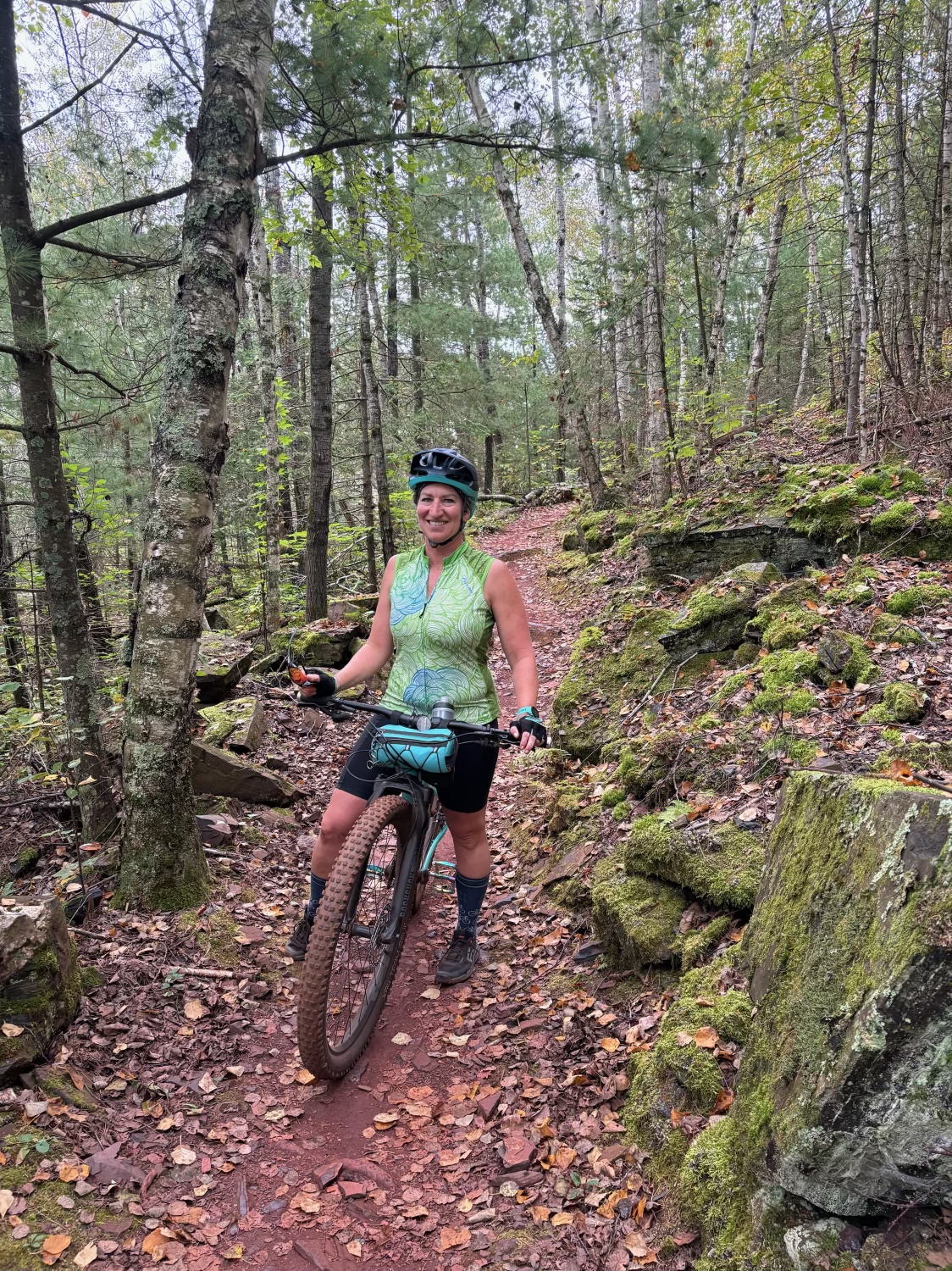
BWS: “We hear you’re an avid cyclist! What do you love most about getting out on your bike?” “How does cycling help you recharge and stay balanced in your wellness journey?”
Jill: I love cycling because it is an excellent self-care tool that checks several boxes. Not only is it an excellent means of fitness, but it’s an act of meditation and being in nature. Lastly, it satisfies social interaction and being in a community. It also provides a way to be adventurous since I have used cycling to experience traveling and seeing different areas of the country. I also find it very therapeutic to experience the feeling of being accessible on a bicycle. Since I love mountain biking or single track, this is also a way to experience Forest Therapy.

BWS: “Do you have a favorite trail or destination? Or maybe a memorable ride?”
Jill: This year, I explored a new kind of cycling called bike packing. In this method, you carry all your gear on your bike and travel to your camping destinations. I went on bike-packing trips with my women’s bike group this summer on the Wabash Trace trail in southern Iowa.

Body Wisdom School: Thank you so much, Jill, for sharing your inspiring journey through the many twists and turns that led you to where you are now.

Jill Vickers Divine Harmony Massage

Posted by: Body Wisdom | November 11, 2024

What is Positional Release Therapy?

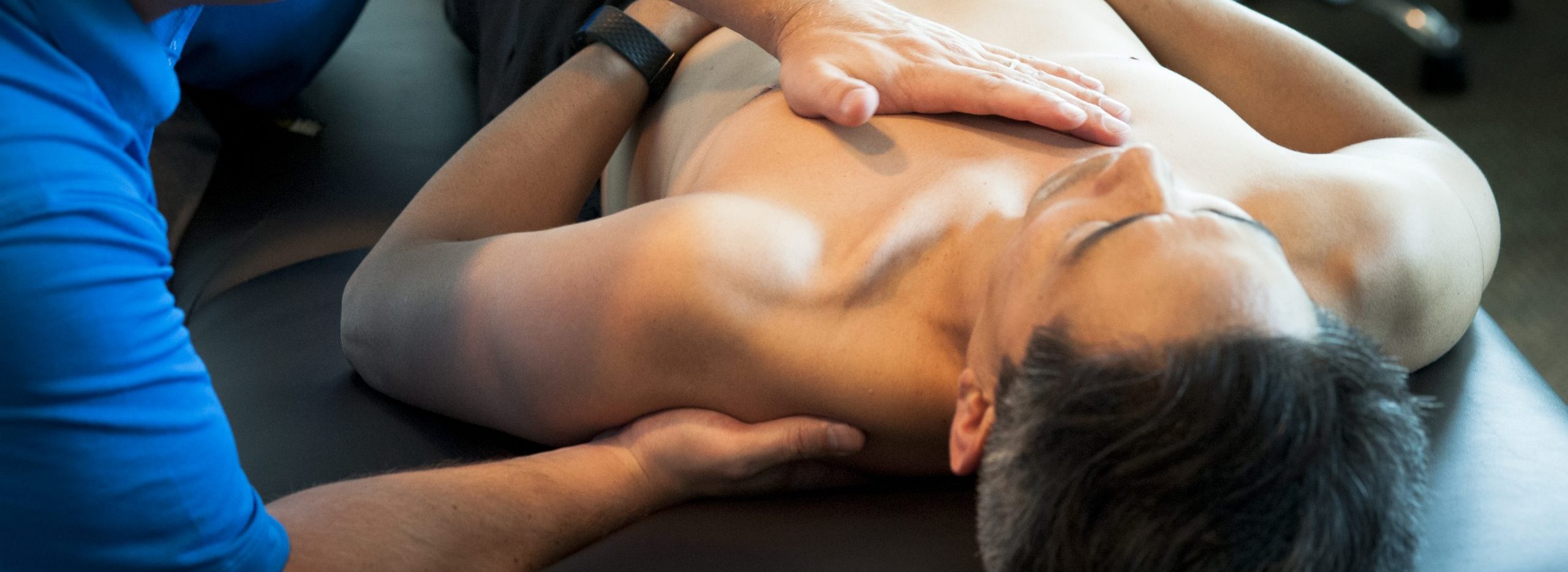
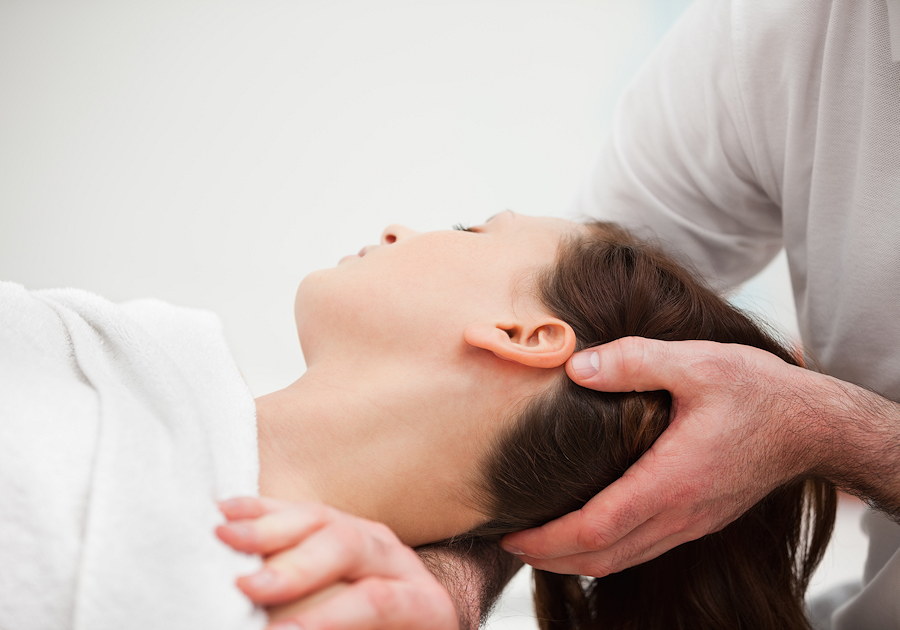
Positional Release Technique (PRT) is a non-force manual therapy that involves placing the body in specific, pain-free positions to reduce muscle and joint tension.  

In PRT, the therapist identifies tender points or areas of discomfort and positions the client’s body in a way that “unloads” the stressed tissues, holding this position for 60-90 seconds.

By holding a pain-free position, PRT interrupts the cycle of muscle guarding and spasm, allowing muscles to return to their natural resting state without triggering additional pain.

How It Works
In PRT, the therapist identifies tender points or areas of discomfort and positions the client’s body in a way that “unloads” the stressed tissues, holding this position for 60-90 seconds. This position allows the body to relax and reset the neuromuscular connections, telling the brain the area is no longer under stress.

Why It Works
PRT reduces hyperactive muscle spindle activity, which is often responsible for pain and tension. Holding a pain-free position interrupts the cycle of muscle guarding and spasms, allowing muscles to return to their natural resting state without triggering additional pain. This method is particularly effective for acute pain, chronic tension patterns, and clients who may be sensitive to more profound or more aggressive techniques.

Diving Deeper: What is the Neurological Basis for Positional Release?
The neurological basis of the Positional Release Technique (PRT) lies in the concept of neuromuscular resetting and involves the body’s response to pain, tension, and muscle spasms. Here’s a breakdown of the primary mechanisms involved:

1. Muscle Spindle Activity and Reflex Modulation
Muscle Spindles: Muscle spindles are sensory receptors within the muscle that detect changes in muscle length and tension. When a muscle is over-stretched, injured, or in pain, the spindles send signals to the spinal cord and brain, triggering a protective reflex that causes the muscle to contract or “guard,” resulting in tension or spasm.

Positional Release Effect: By positioning the muscle in a shortened, pain-free position, PRT reduces the muscle spindle’s activity, interrupting the cycle of contraction and guarding. This calming effect on muscle spindles reduces the reflexive pain signals and allows the muscle to return to its resting state.

2. Golgi Tendon Organ (GTO) Inhibition
GTO’s Role in Muscle Relaxation: Golgi tendon organs in tendons near the muscle-tendon junction respond to muscle tension rather than length. When muscle tension is high, GTOs send inhibitory signals to the muscle to relax, protecting against excessive contraction.

PRT’s Influence: By placing the muscle in a relaxed, shortened position, PRT reduces tension and allows the GTOs to further facilitate muscle relaxation, releasing any remaining resistance or spasm in the tissue.

3. Central Nervous System (CNS) Response
Resetting the Pain Response: PRT also alters pain perception by altering the brain and central nervous system. By reducing discomfort and placing the body in a position of ease, the brain interprets that the area is no longer under threat, reducing pain signals.

Proprioceptive Re-education: The gentle holding position and subsequent release help re-educate the proprioceptive (position-sensing) pathways, allowing the body to perceive the muscle’s resting state as normal, reducing the likelihood of future tension in that area.

Resetting these reflexes, PRT enables the body to let go of tension and restore balance.

In summary, PRT uses the body’s neuromuscular feedback loops — particularly those involving muscle spindles, GTOs, and the central nervous system — to calm pain responses, reduce muscle guarding, and promote lasting relaxation.

Positional Release (PR) is an indirect technique to relieve muscular tension and reestablish a pain-free range of motion in joints. PR is based on the principle of the “Position of Release”, where the massage therapist skillfully moves a muscle and joint into a position of greater comfort that eases the client’s pain and holds it until a full release of pain and tension occurs in the body, and proper pain-free movement has been restored. The position of release, which allows the muscle to “reset” itself, may be held for up to a couple of minutes or more, but the release most often occurs within 10-20 seconds.

Since the client is not required to use any force, PR works as if by magic to relieve pain, joint hypomobility, facial tension, and protective muscle spasms where other more forceful techniques have failed.

For the practicing massage therapist, PR offers yet another technique that is easy on the hands and wrists. It prevents overuse injuries while addressing a wide range of soft tissue dysfunctions that therapists see every day.

Prerequisites: Anatomy: Bones & Muscles, Therapeutic Massage Level 1

Body Wisdom Massage School graduates are uniquely equipped to pursue a wide range of career paths, thanks to the extensive and diverse training they receive. With an impressive curriculum offering over 1,000 hours of electives and various specialized courses, Body Wisdom graduates are well-prepared to excel in many different settings. Whether your passion lies in clinical settings, luxury spas, or specialized therapies, there’s no shortage of possibilities.

Here are 38 potential career opportunities for Body Wisdom graduates:

1. Private Practice Massage Therapist
Start your massage practice by offering personalized services in Deep Tissue, Myofascial Release, and Thai Massage. This option is excellent if you enjoy working independently and making your own hours. It is not so good if you are very social and enjoy having work mates around.


2. Spa Massage Therapist
Work in luxury spas, providing relaxation and therapeutic treatments, including specialty services such as Hot Stone Therapy or Ayurvedic Shirodhara.


3. Sports Massage Therapist
Specialize in treating athletes and fitness enthusiasts, using skills learned in orthopedic clinical massage and sports massage to enhance performance and aid recovery.


4. Rehabilitation Center Therapist
Help patients recover from injuries or surgeries in rehabilitation centers by applying Neuromuscular Massage, Myofascial Release, or Positional Release.

5. Medical Massage Therapist
Work alongside healthcare providers in medical settings, offering treatments like Lymphatic Drainage Massage or Craniosacral Therapy to support patient healing and recovery.


6. Wellness Center Therapist
Provide holistic massage therapy in wellness centers, integrating modalities like Clinical Aromatherapy, Sound Healing, and Reflexology into your practice.

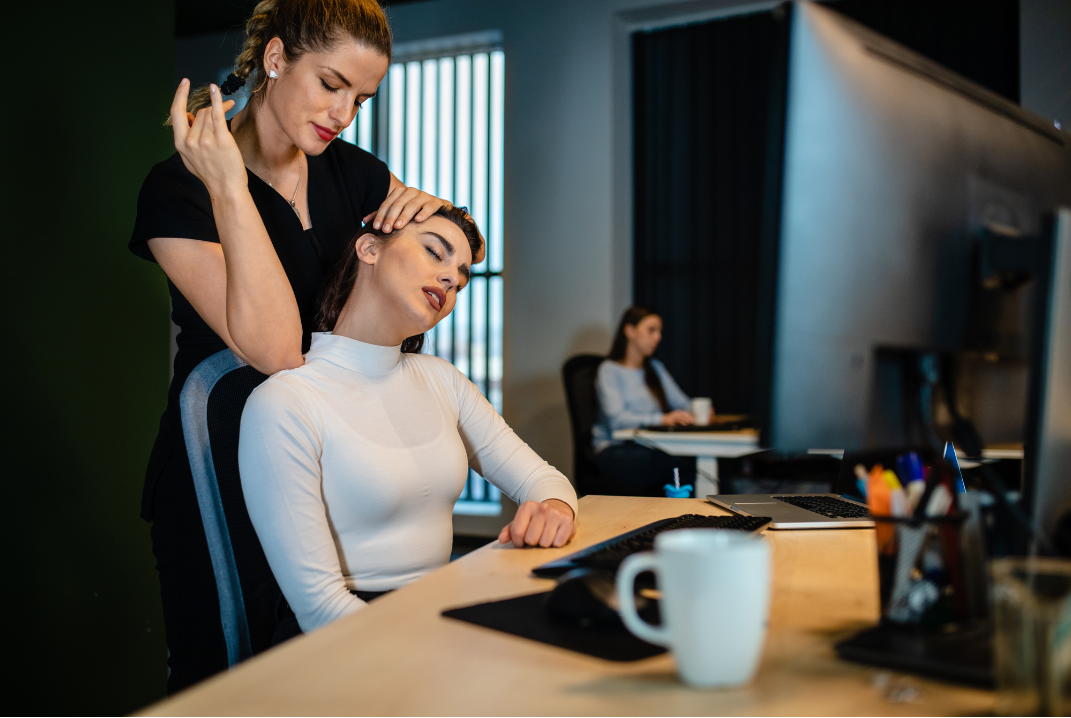
7. Corporate Massage Therapist
Offer on-site massage services in corporate environments to help reduce stress and improve workplace wellness.


8. Cruise Ship Massage Therapist
Travel while working on cruise ships, offering treatments like Thai Herbal Spa or Premier Spa: Indonesia to passengers seeking relaxation at sea.


9. Resort Massage Therapist
Treat guests at high-end resorts luxurious, utilizing techniques like Bamboo & Rattan Massage or Sea Shell Massage.


10. Pain Management Therapist
Specialize in helping clients manage chronic pain through advanced techniques like Deep Tissue Massage, Myofascial Release, and Trigger Point Therapy.

11. Pediatric Massage Therapist
Work with children, offering specialized massage treatments for physical and emotional well-being.

12. Geriatric Massage Therapist
Provide care for elderly clients through gentle massage techniques, addressing the unique needs of aging bodies.


13. Hospice (Palliative Care) Massage Therapist
Offer compassionate care to terminally ill patients, helping them find comfort during their final stages of life with Body Wisdom’s Care Series.

14. Hospital Massage Therapist
Work within hospital settings, providing relief to patients recovering from surgeries or managing chronic illnesses.

15. Pre- and Postnatal Massage Therapist
Help pregnant women and new mothers manage the physical changes of motherhood with specialized pre- and postnatal massage techniques.


16. Oncology Massage Therapist
Provide gentle massage therapy to cancer patients, easing symptoms such as pain, fatigue, and anxiety through your specialized training.

17. Chiropractic Assistant
Work alongside chiropractors, using your massage therapy skills to enhance spinal adjustments and help clients recover from musculoskeletal issues.


18. Fitness Center/Health Club Therapist
Provide services to gym members, helping them recover from intense workouts and maintain peak physical condition.

19. Academic Instructor or Trainer
Teach massage therapy courses or lead workshops, sharing your knowledge and helping to educate the next generation of massage therapists.


20. Massage School Administrator
Manage administrative roles at massage schools, helping coordinate programs, support students, and run the day-to-day operations.

21. Health and Wellness Blogger/Writer
Write about massage therapy, self-care, and wellness for online publications or blogs, sharing insights and tips with a broad audience.

22. Massage Therapy Consultant
Provide expert advice to spa and wellness industry professionals, offering guidance on improving their services and client care.

23. Yoga Center Massage Therapist
Work in yoga or Pilates studios, providing complementary massage therapy to enhance flexibility, relaxation, and overall well-being.

24. Holistic Retreat Staff
Work at wellness retreats, offering massage services as part of holistic programs integrating massage with other therapies like meditation or yoga. This is a fantastic pathway if you want to go international or travel within the US for retreats.


25. Massage Product Sales Representative
Specialize in selling massage-related products such as oils, stones, and equipment, using your expertise to help other professionals find the right tools.

26. Freelance Massage Therapist for Events
Offer massage services at sports competitions, festivals, or corporate gatherings, bringing your skills to clients in dynamic settings.

27. Mobile Massage Therapist
Provide in-home massage services, offering convenience and comfort to clients who prefer treatments in their own space.


28. Research Therapist
Participate in studies and research projects that explore the benefits of massage therapy and contribute to the growing body of knowledge in the field.

29. Massage Therapy Blogger/Vlogger
Create online content about massage techniques, trends, and wellness tips, building a platform that engages professionals and potential clients.

30. Workshop/Seminar Leader
Lead workshops or seminars on specific massage modalities, sharing your expertise with professionals and wellness enthusiasts.

31. Spa/Wellness Center Manager
Oversee the daily operations of a spa or wellness center, ensuring smooth management and providing exceptional client experiences.

32. Employee Wellness Program Coordinator
Design and manage employee wellness programs, helping organizations promote healthier lifestyles and work-life balance.

33. Franchise Owner
Run your own massage therapy franchise, building a thriving business by offering massage services based on your Body Wisdom training.

34. International Massage Therapist
Work in tourism-driven areas worldwide, offering therapeutic massage services in destinations like resorts or luxury retreats.

35. Professional Association Staff Member
Work for professional massage therapy associations, contributing to the advancement of the field through education, networking, and advocacy.

36. Healthcare Team Member
Join an integrative healthcare team, working alongside doctors, physical therapists, and other professionals to provide comprehensive patient care.

37. Massage Therapy Author
Write books or guides on massage techniques, therapy practices, or wellness, sharing your expertise with a wider audience.

38. Death Doula/Massage Therapist
Provide emotional and physical support to individuals nearing the end of life, combining your massage skills with the compassionate care learned through Body Wisdom’s Death Doula training program.

Body Wisdom graduates emerge from their education with many opportunities at their fingertips. Whether you dream of working in a spa, offering therapeutic care in medical settings, or traveling the world as a massage therapist, your training has prepared you for a fulfilling career in this dynamic and growing field. Start your journey today and explore the endless possibilities!

#MassageTherapy #BodyWisdomGraduates #MassageCareers #WellnessProfession #DeathDoulaTraining #TherapeuticMassage

BWS: Adam, you’ve had an incredible journey, from being a Body Wisdom student to becoming an instructor in the Orthopedic Massage program. How did your experience as a student shape your approach to teaching massage therapy?


Adam: I was an educator before a massage therapist.  In education, we are trained to collect data on our students’ understanding of what is being taught.  “How do we know if they know?” is a commonly heard phrase.  When asked to be an instructor for the Orthopedic program, I continued to apply this same pedagogical thought pattern.  I was not satisfied with demonstrating a technique and watching students practice on one another.  To enhance my assessment of students, I devoted the last day of the course to practical application.  Roleplaying as practitioners and clients, students would rotate through various scenarios, applying assessment tools while I scrutinized their decisions.  I wanted to ensure all students could accurately and safely assess orthopedic and sports-related pain before graduation.

BWS: As an elite runner, how do you balance the demands of marathon training with your career as a massage therapist and teacher? Do you find parallels between your running and massage practice?

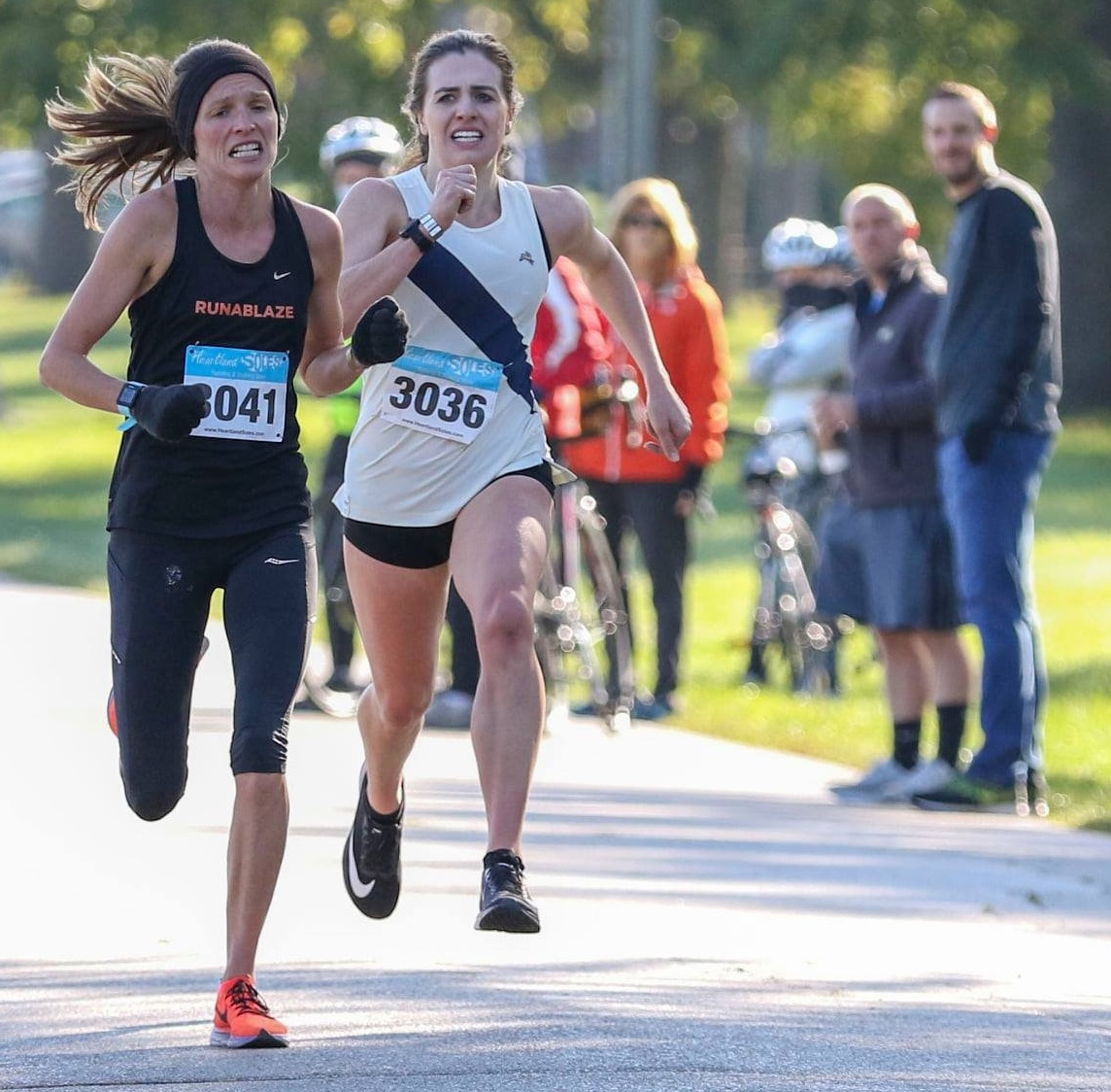
Adam: What I gleaned from the Orthopedic Massage program as a student powerfully changed how I trained and rehabbed my body as an elite athlete.  The program gave me a toolkit and a flow chart to understand the source of most chronic injuries.  As a marathon runner, most injuries are chronic, while many are treated as acute.  For example, iliotibial band syndrome, for me, was always treated with ice directly on the site of pain.  I had a paradigm shift when I heard from my Body Wisdom instructor, Brian Glotzbach, that  “the pain isn’t always where the problem is.”  This and other instructors’ words affected me so much that I have avoided significant setbacks from injury in my marathon preparations in the past twelve years.  While I only have time to train 6-8 hours a week, which is relatively low compared to other elite athletes, I ensure my work is effective and efficient.  My comprehensive understanding of how to train and care for the body is attributable to what I gained as a student in this program.  

BWS: You and Flannery dreamed of moving from city life to a peaceful farm. How has living on your farm influenced your approach to wellness, both personally and professionally?

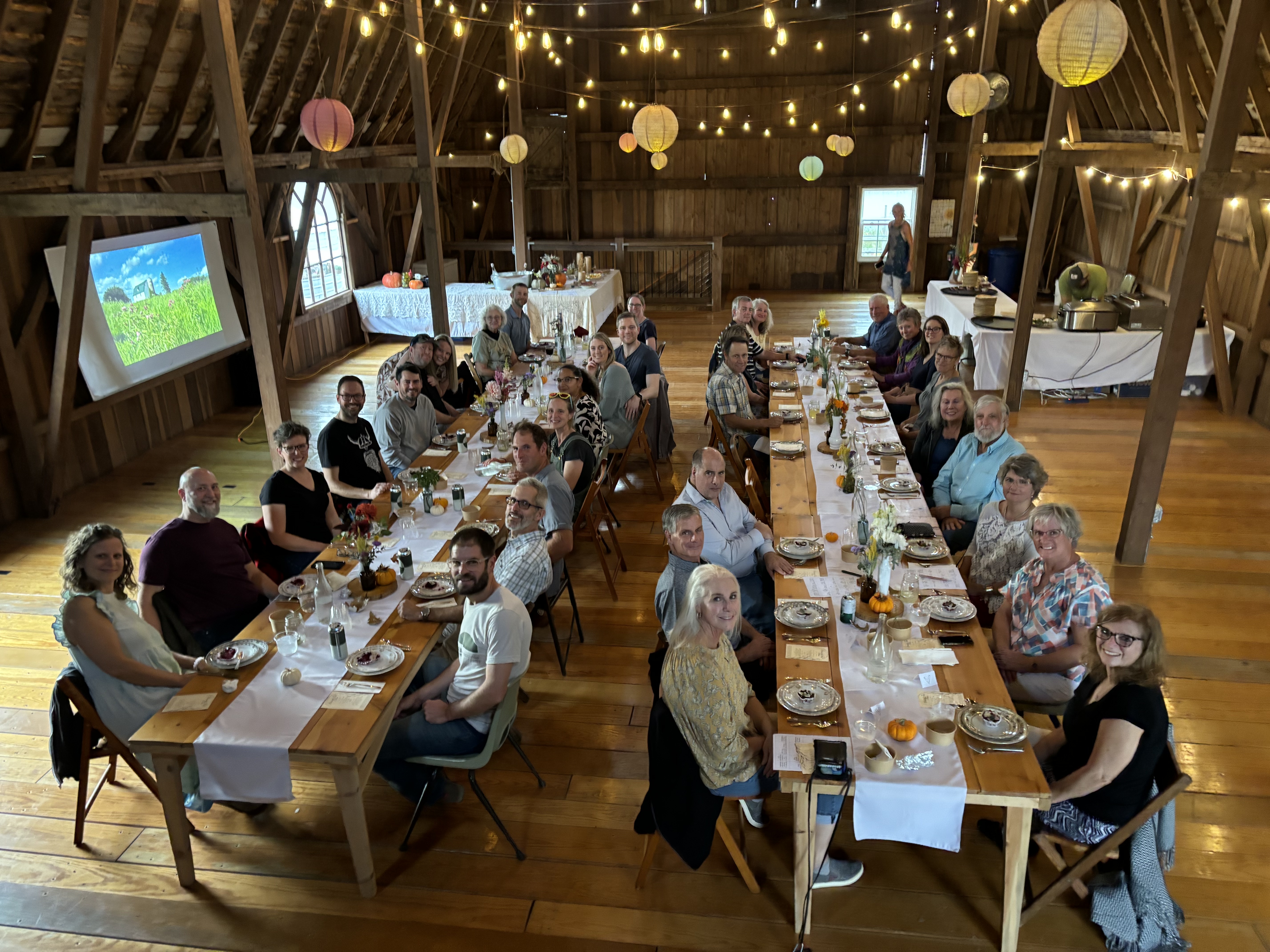
Adam: There are many aspects to wellness, and while we may not be exemplary in all of them, Flannery and I have long believed that a deep connection to food and place is essential for longevity and mental health.  This was exemplified during a farm-to-table dinner we hosted in October.  It was one of many events this year where we enticed people to disconnect from devices and connect with the community, the land, and the food grown from it.  While we knew what we wanted long before we had it, living on the farm has afforded us the soil and space to realize what we once dreamed.  More recently, as we unveiled our new business. Tailwind Acres LLC has been sharing this lifestyle with others.  Both of us are observant and reflective individuals.  We have witnessed the adoption of fast food and conversation (a.k.a. Instant messaging).  This lifestyle does not bring us joy; we believe most individuals feel the same way.  While the world around us blows in one direction, we hope to offer an alternative when others need a slower, quieter pace.

BWS: As a coach for endurance athletes, how do you integrate your knowledge of massage therapy into your training programs?

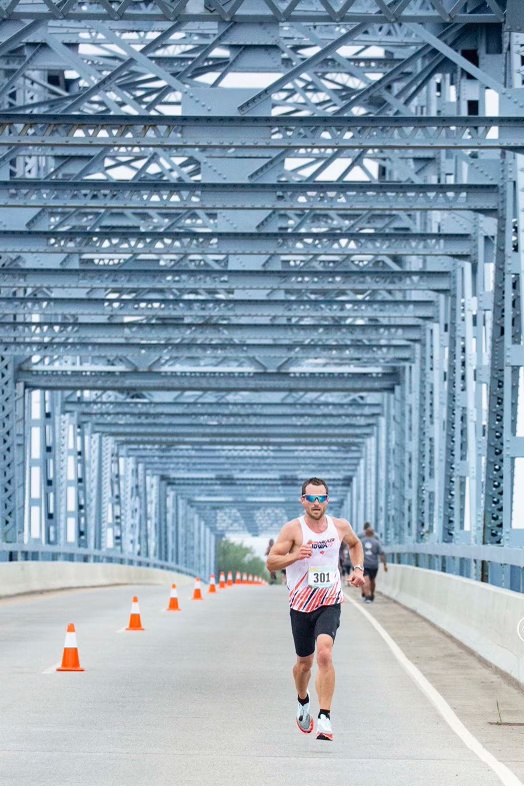
Adam: Over the last ten years, I have had the pleasure of coaching 19 adult athletes, ranging from 100-meter to 100-mile runners, sprint and Ironman distance triathletes.  I have written a combined 17,000 personalized workouts for them.  What I have realized over the years is that the best training plan, diet, and race preparation mean nothing if the athlete gets a debilitating injury.  My clients understand the advantages of having a coach who doubles as a sports massage therapist.  One athlete said, “Adam is extremely knowledgeable about injury and continues to support me by giving me great advice and exercises so that I can be at my best!”  My athletic health has benefited from the Orthopedic Massage program, as well as the adults and youth I work with every year.  When I first met Flannery, my future spouse, she was scheduled to have her second Achilles surgery.  She attests that her ability to run and set all new personal records would not have happened if I hadn’t enrolled in the Body Wisdom program 12 years ago.  

BWS: Flannery, your Environmental Studies and Public Health background reflect a deep connection to wellness and community. How do you bring that passion into your role as a wellness program director?


Flannery: A holistic approach to well-being that views humans as part of nature and natural cycles. 

BWS: You and Adam envisioned and brought to life a dream of living on a farm. What was the most surprising or challenging part of turning that dream into a reality?


Flannery: Yes, we chose to live on a farm and a rural one. Rural America has been declining in population for decades, but I am proud to purposely choose my zip code. (And, yes, we have high-speed internet!)

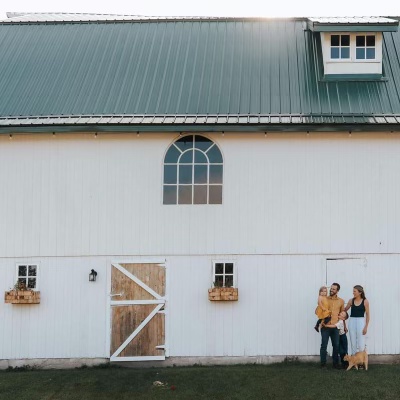
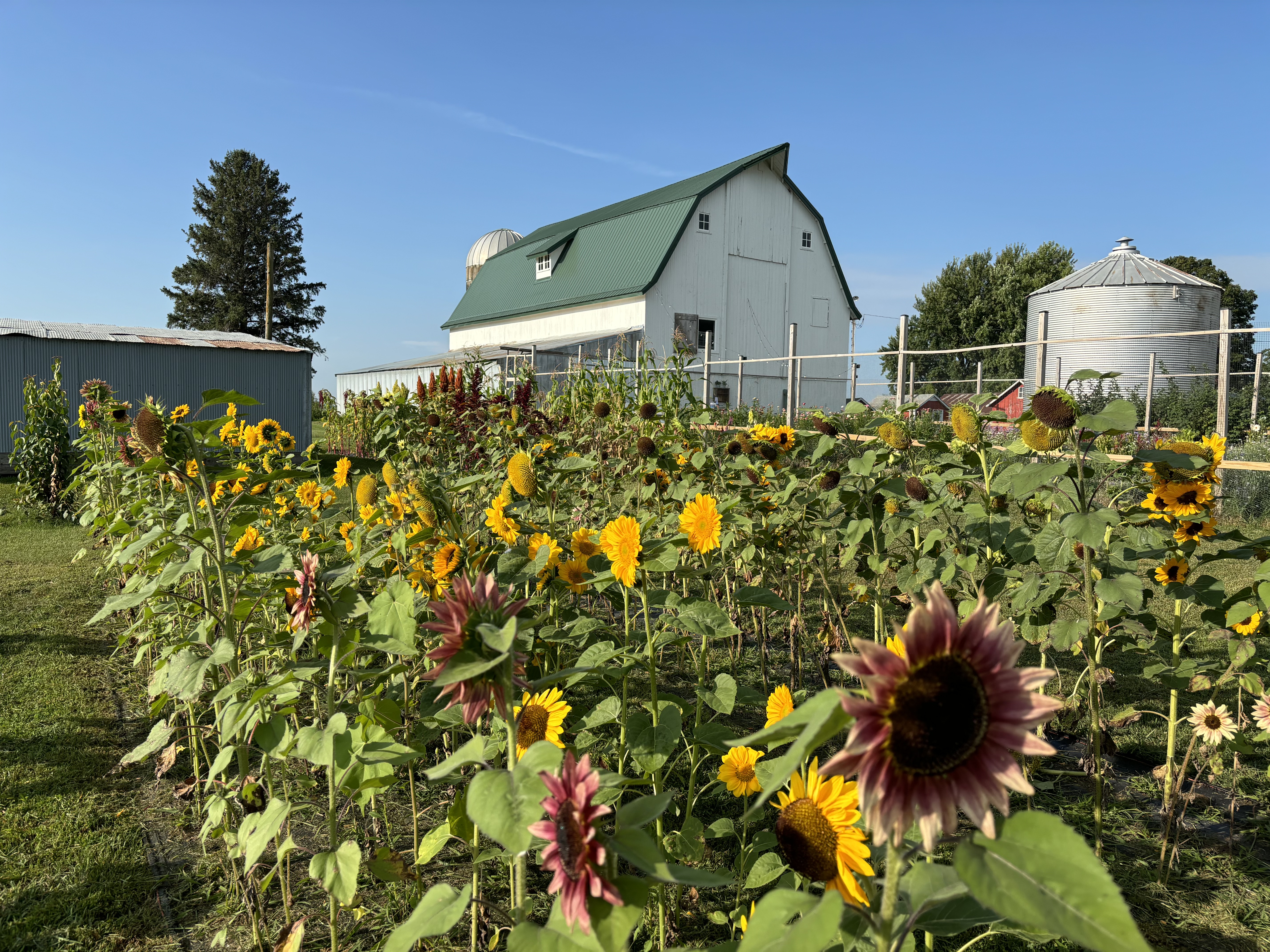
Our biggest challenge is probably physical. We have put a ridiculous amount of sweat equity into recent projects like renovating our 1940s dairy barn into an event space, flipping a garage into a guest cottage, and expanding our flower gardens three-fold.  All of this has taken a tremendous amount of time and physical labor.  We have had to sacrifice time with our family and friends at the expense of these projects. Adam and I have the beaver gene, constantly working… for better or worse.  

One surprise for me is that rural living takes ingenuity and forethought.  Running to the store is not easy when you’re missing chili powder in the cupboard for soup that night. We have to watch for severe weather in ways that those in urban areas do not, both in emergency preparedness (e.g., is the weather radio plugged in, and do we have staples if we get snowed in for a couple of days). We also try to be conscious of the frequency of what we buy online.  Yes, I could have my rural mail provider drive us out a new toothbrush, but is that really necessary?        

BWS: Gardening has been a lifelong passion for you. How does being connected to the land and growing your food contribute to your overall wellness?


Flannery: Yes, there are photos of me gardening in diapers. I was taught skills to grow food and flowers from a young age. I wouldn’t say it was overly extensive, as my parents were more hobbyists than farmers; however, it was enough to cultivate a passion. 

I have continued to nurture a love of growing food and flowers, which keeps us active. Last spring, I transplanted 4,000+ plants by hand in a few days. I was pretty much unable to walk for a few days. Equally as challenging as a physical workout is the planning involved in what to grow, how to grow it, when to grow it, and how to respond to various challenges with weather, pests, etc. These challenges are intellectually stimulating and require problem-solving skills. 

I think many readers will relate, but being outside in the soil is good for the mind.  I often find gardening a good distraction or balm for stressors and anxieties. Studies have proven that being outside lowers cortisol, increases oxygen levels in the brain, and aids in getting good sleep with exposure to sunlight.  Not only do I feel most at ease, I also feel like I am contributing when my hands are in the soil. I am part of a process (domestic agriculture) documented for 13,000 years. 

BWS: In your role at the community college, what strategies do you find most effective in encouraging people to connect with healthier lifestyles through food and physical activity?

Flannery: Behavior change is hard. I wouldn’t say I have found a golden ticket, and a lot of days, it’s hard to feel like I’m gathering data that anything I do changes behaviors. That’s not to say I don’t offer my ideas, support, and encouragement.  I believe the old adage is, “You can lead a horse to water, but you can’t make them drink.” – ultimately, I am there for the people who are ready for change or nudging the people contemplating it.  

Participation varies, but two programs that have been successful over the years have been wellness challenges and a community-supported agriculture workplace drop-off.  The wellness challenges involve participants joining teams with their coworkers and tracking their daily activity, usually lasting between 8 and 10 weeks. Folks can participate solo, but most typically want to join a team. The expectation is to report your weekly active minutes on a shared Google Sheet. Teams have different ways of motivating each other with Zoom chat channels, emails, and organized activities. At the end of the challenge, I run several prize drawings of the people who have reported their weekly active minutes on time. I’ve found that camaraderie is good for morale, but the accountability of being on a team is significant.  Sometimes, just the idea of having someone “counting” on you can be all needed to kickstart an exercise routine.   

The other program encourages healthy eating.  Participants sign up to receive local food boxes (mostly vegetables) in the late winter/early spring.  The farmers use this money upfront during their growing season and plant their crops accordingly. Boxes are subsidized by the college, so participants receive organically grown produce at a very competitive price.  I pick up the boxes and deliver them to campus.  What is unique about this program is that our campus is rural, and there is no grocery store in the same town. By providing veggies right to the workplace, folks have convenience. Also, the farmers share weekly newsletters that provide recipes or education about what appears in the boxes. 

BWS: You’ve created successful careers that blend physical activity, wellness, and community. How do you keep each other motivated and grounded during busy or stressful times?


Adam/Flannery: We would be remiss if we didn’t mention stressful times.  Though, we remind ourselves that stress is not always bad and often means you care deeply about what you’re working toward.  A tremendous amount of work and preparation goes into hosting a public event.  This past summer, we did it almost weekly from July to October.  We both agreed the most significant reward came on the final day of each event.  The culmination of all the hard work and planning was rewarded with smiles, sounds of laughter, and seeing a vision come to fruition.  The stress is easier to bear when you know there is a chance for a reward later.  Perhaps we learned through sport to trust this process.  Like in business, athletes make goals that may take months or years to culminate.  Along the way, there can be stressful moments.  Maybe a botched workout, an ill child who robs you of sleep, a work commitment, or something else that wants you to quit.  We’ve experienced them all.  Yet, an experienced athlete knows that one day or one bad night of sleep isn’t season-ending.  Whether in training or business, we have learned the joy that comes at the end of a long journey, and, however stressful, it’s often worth doing again.

BWS: Your journey from a musty city apartment to a serene country farm sounds like a story of persistence and vision. How has this journey influenced your views on setting long-term goals, both personally and professionally?


Adam/Flannery: We learned there is a magnetic force in creating a vision for yourself.  It can be a journey to figure out that vision.  Living in that musty apartment created a shared vision of where we wanted to live. The farm came to life on paper as Adam sketched what would be on the farm, including a creek, fruit trees, mushroom logs, outbuildings, and a stoic farmhouse.  It became a vision board.  And the exercise proved more potent than both of us knew then.  We kept that image close over the years as we moved out of that apartment to our first tiny house together.  We worked hard at our jobs, lived frugally, and kept trying to “find” our perfect country spot.  We should mention our privilege in this situation, that both of us have built-in societal advantages when it comes to owning a home, including our race and sexuality.  

The steps included looking at countless properties, writing several letters of inquiry to current property owners to see if they’d be willing to sell, and even doing extensive research on how to move a house (perfect house, crummy location).  This whole process unfolded over a decade. There were setbacks, hurdles, and let-downs, but we did not waver from the original vision. Much like dedicated training for a sport, the rewards can be far, few, or not in the ways expected.  Our Cinderella story of finding our current farm was a test of grit.  As we apply the lessons learned to other aspects of our lives, we recognize the importance of transparency and honesty about the vision and goal.  That is where it starts. We learned not to skip that step and listen to those inklings.  

BWS: How has your shared love of running shaped your relationship, and what role does it play in your daily lives?


Adam/Flannery: The direct impact of running on our lives has changed over the years.  Before owning a 27-acre farm, having two children, and becoming entrepreneurs, we had ample time to train, travel, and race for prize money.  The situation looks different now.  Sometimes, we must choose who gets to race and watch the children.  We have to pick and choose which races are more essential, selecting maybe 2-3 races instead of 6-8 per year.  What has remained consistent, however, is the mindset needed to still get the work done when time and energy are strained.  In our relationship, we have consistently recognized and respected that we have athletic goals, that genuine exercise equals better health, and, hopefully, more years spent together.  While times have changed, we continue to make time for running.  While there are certainly times when running or exercising is the last thing on our mind, Flannery often puts her workout off until the very last minute; we still believe it is crucial for our health and wellness to not give up on the sport. 

BWS: What advice would you give to someone who dreams of making a significant lifestyle change, like moving to a farm or pursuing a new career in wellness?

Adam/Flannery: As mentioned above, spend the time sitting with your goals and visualize what the end result will look and feel like.  There will be things that aren’t all sexy; talk to us on a day when we have to snow plow ourselves out of our property in the dead of winter, or when we have to deal with dead animals, or at the end of a long day when we have chores.  It’s important to forecast the aspects of your vision that will not be things you enjoy.  However, being clear about your goals is foundational and will provide motivation during the arduous

journey.

BWS: Thank you so much for sitting with us for this inspiring interview.

** If you would like to learn more about Adam and Flannery, here are some of their links:

Tailwind Acres: https://www.tailwindacres.com/
Tailwind Acres Instagram: https://www.instagram.com/tailwindacres/p/DAOJaRRxtnp/?img_index=1
Tailwind Acres Facebook: https://www.facebook.com/search/top/?q=tailwind%20Acres
Adam’s YouTube Channel: https://www.youtube.com/@adambohach1016
Adam’s Facebook: https://www.facebook.com/abohach

BWS: Christein, could you share your journey of losing your eyesight and how it led you to discover massage therapy?

Chris: I began to lose my eyesight by the age of 28; doctors told me that my sight would be entirely gone by the age of 30. There was no sickness or anything that my loss of sight could be related to; to this day, there is no explanation for the loss of my sight. By the age of 45, my sight was gone entirely.  10 years ago, my mother was diagnosed with dementia; she passed away in December 2022. During that time, I would rub her hands and feet, and she seemed to have found pleasure in rubbing her hands and feet. So, after my mother passed, I wanted to do something that brought joy to others as it did to her. This led me to the world of massage. Touch is a powerful part of my life, and I would like to share that with others.  

BWS: What was it about massaging your mother’s hands and feet that inspired you to pursue massage as a career after she passed?

Chris: My mother found pleasure and peace in massages, which made me realize that not everyone is blessed to have that type of support when sick. I want to make a difference in the lives of others with massage, whether through sickness, death, or just mental or physical well-being.

BWS: You’ve mentioned that Thai on the Mat and Rocking to Relax are some of your favorite classes. What drew you to these particular techniques, and were other courses that stood out?

Chris: I chose Thai on the Mat because of the method. You work on one’s body, where you can work profoundly but not hard to get the results that you are looking for. I chose Rocking to Relax because it teaches me how the body should move, how the body moves where restrictions are, and the method of relaxing one’s tissue. I have taken every class at Body Wisdom, and I have taken LOTS of classes. Let me know that this is precisely where I should be. I have never had anything in my life that has come to me so quickly, and not only does it bring joy to others, but it has also brought me fulfillment.

BWS: You started with Ear and Hand Reflexology—what was that experience like, and how has it shaped your approach to massage?

Chris: The Ear and Hand Reflexology experience was like a door opened to a new world. It made me only want to learn more about the world of massage. It’s like going down a rabbit hole. When I think I have reached the bottom, I know there’s more to explore. One thing about massage is that there is no end to the knowledge you have access to in the massage world; it’s physical, mental, and spiritual.

BWS: Massage is such a hands-on practice. How have you adapted the techniques you’ve learned to work with your unique needs as a visually impaired therapist?

Chris: My family and friends have helped me tremendously in this area by allowing me to practice and apply the different techniques I have learned on them. This has allowed me to take the methods I’ve learned and make them my own. I realize that the more I work on individuals, the more natural the techniques become.

BWS: How do you make each technique your own in class? Are there any specific adjustments you’ve made that enhance the practice for your clients?

Chris: One of my instructors gave me the best advice. She told me to trust my instincts and that every technique is not for everybody. Clients are different, so listen to their words and pay attention to their bodies.

BWS: You’re passionate about volunteering at hospice and nursing homes. Can you tell us what drives you to offer massage in these settings and what impact you’ve seen it have on people?

Chris: Dealing with my mother and her dementia is what drove me to this area. It made me think about elderly people in nursing homes who don’t have a support system and who never receive a healing/comforting touch. When it comes to hospice, I want to offer a gift of touch and comfort to those going through their final transitioning period. This gift can be provided through massage.  

BWS: What are your plans for your massage practice after you graduate? Will you focus on specific populations, like hospice care, or do you have other areas of interest?

Chris: After graduation, I plan on starting my own business out of my home with family and friends. I also plan on volunteering at nursing homes and hospices once a month. I plan to work for an entire year and then enter the Mastery Program that Body Wisdom offers.

BWS: You’ve expressed interest in taking Body Wisdom’s Mastery Program. What excites you about continuing your education, and how do you hope it will shape your future practice?

Chris: Continuing my education will open more doors for me in the world of massage. It will give me the tools to teach me more techniques and methods that I can share with my clients and others.   

BWS: You’ve faced unique challenges in the Sound Healing course due to your blindness. How have you adapted, and what has your learning process been like in that class?

Chris: Sound Therapy was a unique experience; I struggled to hear/ feel all the vibrations from the singing bowls at once. I learned that in this class, I had to focus more on the movement than the sound to understand what was happening in the class. This was very challenging; even though I am used to movement and sound simultaneously, I found it overwhelming. The class became more manageable when I found a way to focus more on the vibration vs. the sound. One thing the class taught me was that everything around me is in a state of vibration, which made me more aware.

BWS: What advice would you give to others facing challenges similar to yours, whether in massage therapy or life in general?

Chris: There is no such thing as “CAN’T.” Put your mind to it and do it. You’re always going to have hills you must climb. No matter what you’re going through, always remember to treat others with courtesy and integrity. Always use perseverance and self-control, and have and maintain an indomitable spirit. Always remember there is a solution to every problem.

BWS: How has your personal journey of loss, care, and adaptation shaped your approach to massage therapy and your future as a practitioner?

Chris: I don’t look at this as a loss, but I look at things as a gift. One of the most significant gifts I’ve received from massage therapy is that I have gained a family. A family full of wonder, knowledge, compassion, tears, wisdom, and love. This is my Body Wisdom Family, people who have shared their lives with me and let me be a part of their world. As a massage therapist, I want to take everything I’ve learned and share it with others.  I want to thank my entire Body Wisdom community and my family; everyone has adjusted to help educate me in massage. I plan on using everything I have learned and applying it to my future as a practitioner.

Wishing Everyone the VERY best in their practice,

Chris

« Newer Posts - Older Posts »

Categories