Positional Release Technique (PRT) is a non-force manual therapy that involves placing the body in specific, pain-free positions to reduce muscle and joint tension.
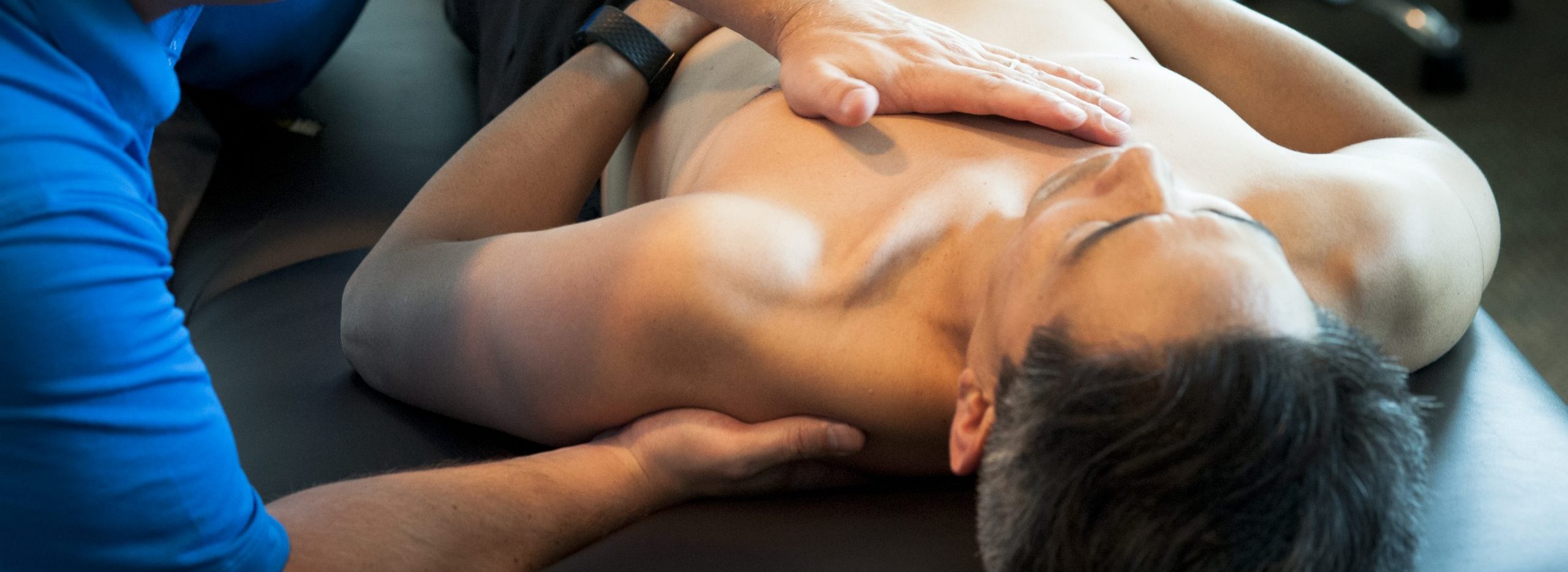
In PRT, the therapist identifies tender points or areas of discomfort and positions the client’s body in a way that “unloads” the stressed tissues, holding this position for 60-90 seconds.
By holding a pain-free position, PRT interrupts the cycle of muscle guarding and spasm, allowing muscles to return to their natural resting state without triggering additional pain.
How It Works
In PRT, the therapist identifies tender points or areas of discomfort and positions the client’s body in a way that “unloads” the stressed tissues, holding this position for 60-90 seconds. This position allows the body to relax and reset the neuromuscular connections, telling the brain the area is no longer under stress.
Why It Works
PRT reduces hyperactive muscle spindle activity, which is often responsible for pain and tension. Holding a pain-free position interrupts the cycle of muscle guarding and spasms, allowing muscles to return to their natural resting state without triggering additional pain. This method is particularly effective for acute pain, chronic tension patterns, and clients who may be sensitive to more profound or more aggressive techniques.
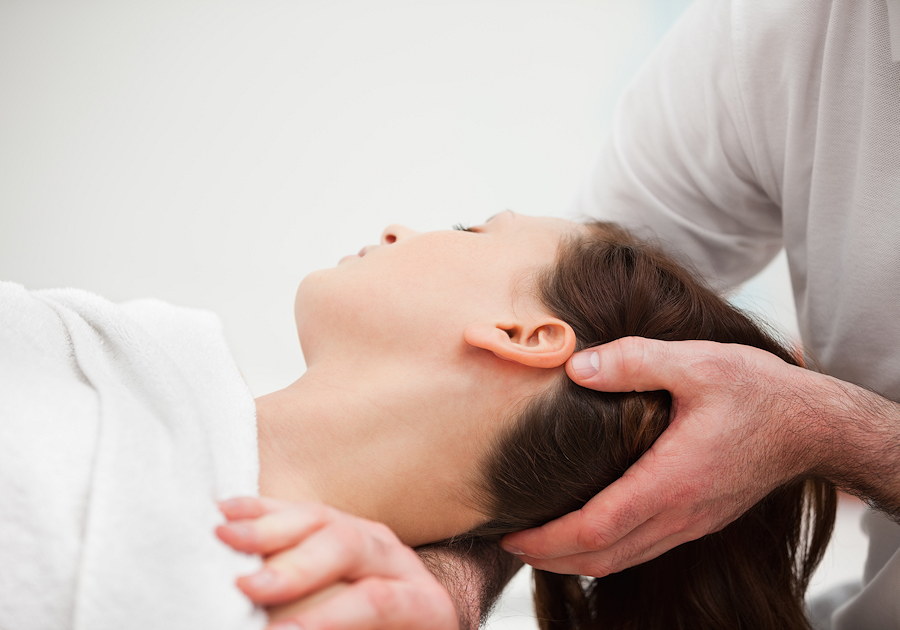
Diving Deeper: What is the Neurological Basis for Positional Release?
The neurological basis of the Positional Release Technique (PRT) lies in the concept of neuromuscular resetting and involves the body’s response to pain, tension, and muscle spasms. Here’s a breakdown of the primary mechanisms involved:
1. Muscle Spindle Activity and Reflex Modulation
Muscle Spindles: Muscle spindles are sensory receptors within the muscle that detect changes in muscle length and tension. When a muscle is over-stretched, injured, or in pain, the spindles send signals to the spinal cord and brain, triggering a protective reflex that causes the muscle to contract or “guard,” resulting in tension or spasm.
Positional Release Effect: By positioning the muscle in a shortened, pain-free position, PRT reduces the muscle spindle’s activity, interrupting the cycle of contraction and guarding. This calming effect on muscle spindles reduces the reflexive pain signals and allows the muscle to return to its resting state.
2. Golgi Tendon Organ (GTO) Inhibition
GTO’s Role in Muscle Relaxation: Golgi tendon organs in tendons near the muscle-tendon junction respond to muscle tension rather than length. When muscle tension is high, GTOs send inhibitory signals to the muscle to relax, protecting against excessive contraction.
PRT’s Influence: By placing the muscle in a relaxed, shortened position, PRT reduces tension and allows the GTOs to further facilitate muscle relaxation, releasing any remaining resistance or spasm in the tissue.
3. Central Nervous System (CNS) Response
Resetting the Pain Response: PRT also alters pain perception by altering the brain and central nervous system. By reducing discomfort and placing the body in a position of ease, the brain interprets that the area is no longer under threat, reducing pain signals.
Proprioceptive Re-education: The gentle holding position and subsequent release help re-educate the proprioceptive (position-sensing) pathways, allowing the body to perceive the muscle’s resting state as normal, reducing the likelihood of future tension in that area.
Resetting these reflexes, PRT enables the body to let go of tension and restore balance.
In summary, PRT uses the body’s neuromuscular feedback loops — particularly those involving muscle spindles, GTOs, and the central nervous system — to calm pain responses, reduce muscle guarding, and promote lasting relaxation.
Positional Release (PR) is an indirect technique to relieve muscular tension and reestablish a pain-free range of motion in joints. PR is based on the principle of the “Position of Release”, where the massage therapist skillfully moves a muscle and joint into a position of greater comfort that eases the client’s pain and holds it until a full release of pain and tension occurs in the body, and proper pain-free movement has been restored. The position of release, which allows the muscle to “reset” itself, may be held for up to a couple of minutes or more, but the release most often occurs within 10-20 seconds.
Since the client is not required to use any force, PR works as if by magic to relieve pain, joint hypomobility, facial tension, and protective muscle spasms where other more forceful techniques have failed.
For the practicing massage therapist, PR offers yet another technique that is easy on the hands and wrists. It prevents overuse injuries while addressing a wide range of soft tissue dysfunctions that therapists see every day.
Prerequisites: Anatomy: Bones & Muscles, Therapeutic Massage Level 1


Leave a comment