Posted by: Body Wisdom | July 29, 2025

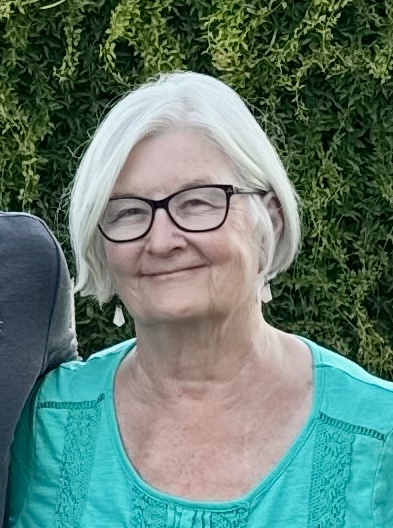
Honoring a Founding Heart: A Conversation with Pat Crozier


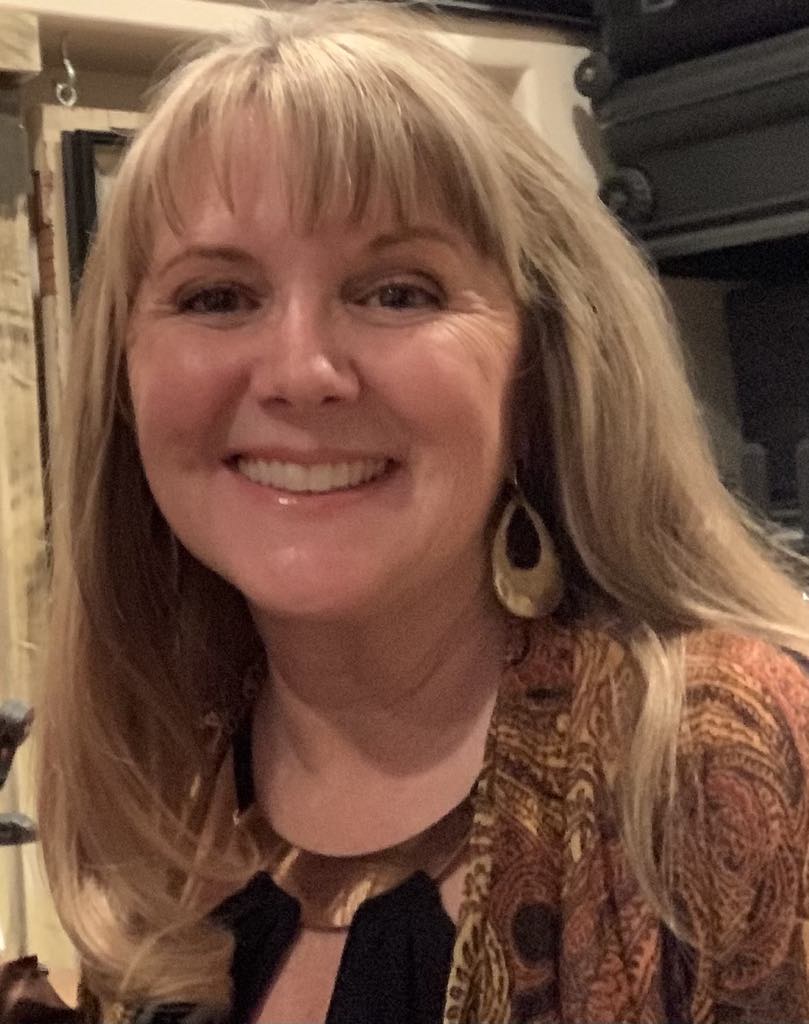
Ali and Rhett: From our very first classes in a small building in Ankeny, Iowa, Pat Crozier has been a steady, nurturing presence at the heart of Body Wisdom. As one of our original teachers, Pat helped shape the spirit and soul of our school long before we became what we are today. Her gentle wisdom and passion for healing touch have guided countless students through the powerful worlds of lymphatic drainage, prenatal and infant massage, and her deep knowledge of aromatherapy has brought nature’s medicine into our classrooms in the most beautiful way. In this special interview, we sit down with Pat to reflect on those early days, explore the modalities that speak to her heart, and celebrate the quiet brilliance she brings to the Body Wisdom community.

BWS: You were there at the very beginning of Body Wisdom! What do you remember most vividly about those early days in Ankeny?

Pat: A massage certification was never anything I had thought I would pursue, but I was studying for my aromatherapy certification and realized I would need a license to touch people with essential oils. I had left messages with a couple of massage schools in Iowa, and Ali was the first person to respond, and we set up an interview. I had a few hoops to get through, one of which was an ailing mother who was living with us, children who frequently needed transport in small-town IA, and a husband whose schedule changed daily. They were mountains for me and just little ‘puddles’ for Ali, and she won me over rapidly. One of the big pluses for me was that the classes were offered in very manageable blocks. I remember most vividly the love and acceptance  I felt from both fellow students and staff.

BWS: Can you tell us about a moment early on when you realized, “This school is something special”

Pat: Everyone was so REAL, no pretense, just love and caring. Rhett was our initial instructor for massage and he taught us to ‘listen’ to our bodies – I had trained as a registered nurse and certified midwife in Zimbabwe and had never been encouraged to listen to my body – it was a ‘ foreign’ concept and one I grasped and have been so grateful for, these last 27 years.

In the early months of my training, my husband received a difficult diagnosis, which was heartbreaking – I felt the need to be ‘strong’ for my family and was careful not to allow myself to cry at home. We always started our days off with a circle at Body Wisdom – I did all my crying very freely and without judgement in those circles, tissues provided! Thank you, Rhett!

BWS: What has surprised you most about how Body Wisdom has grown and evolved since those humble beginnings?

Pat: Actually, nothing has surprised me – Rhett and Ali sought out well-qualified instructors, and at that time, they brought them in primarily from out of state – student NEEDS were obviously at the top of their agenda.

BWS: Aromatherapy is your specialty. What do you love most about it, and how do you see it enhancing massage work?
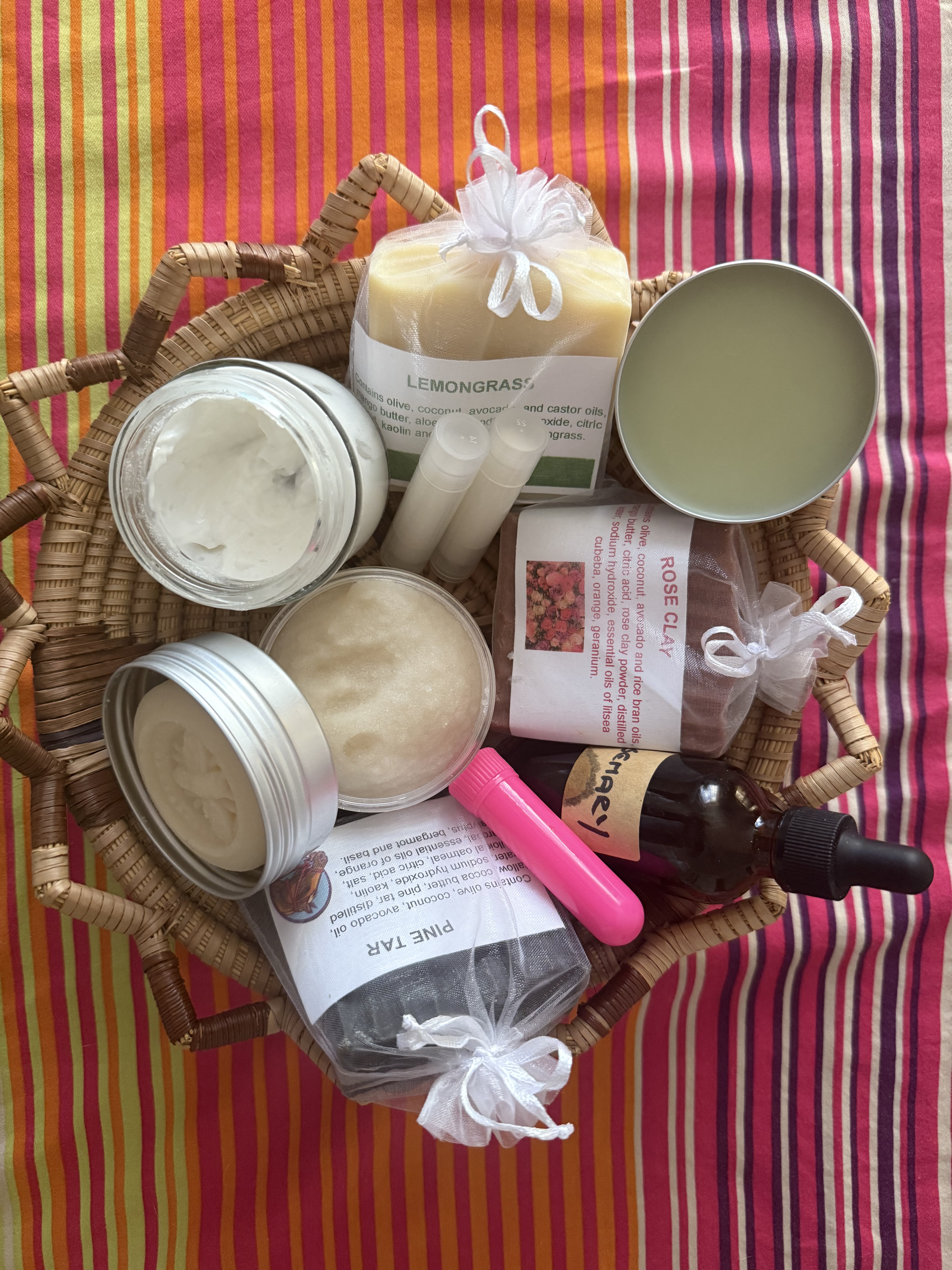
Pat: I love every aspect of it, found the chemistry a bit challenging, but had a husband who was a magnificent teacher and was able to bring it alive for me. It enhances massage work in so many pathways – relaxation being the obvious one, but is excellent in pain relief, muscle relaxation, meridian work, chakras, self care, depression and anxiety, respiratory care, and in making natural products.

BWS: What’s one piece of wisdom you try to pass on to every student you teach?

Pat: Where aromatherapy is concerned, I encourage them to ‘feel’ the oils in their inner being when they inhale them, and it’s obvious when they have succeeded and rapidly becomes their ‘norm’.

BWS: You’ve witnessed so many student journeys. What qualities do you see in students who really blossom in this field?

Pat: It’s wonderful when I see them creeping out of their shells and participating in class, when I see a gentle, yet firm, sincere spirit, when I see their aha moments because I well remember how those moments impacted me, when I see them including aspects of ALL they’ve learned, incorporating them to make every massage unique to the client they are serving.

BWS: How has teaching at Body Wisdom influenced your own growth as a practitioner and person?

Pat: I’m so grateful for the different modalities we were exposed to which expanded my mind in a big way – lymphatic drainage was one of them, Body Wisdom was way ahead of the curve and our core class persuaded me to ‘grow’ in that modality, and eventually came back to teach it at Body Wisdom – that system is such an essential aspect of our physiology. The modalities that are offered today would have been unimaginable in our day – the students are very blessed.

BWS: What does the Body Wisdom community mean to you on a personal level?

Pat: Body Wisdom was a life changer for me at the age of 50, and I’ve never looked back. I’m so proud of and thankful for the work Rhett and Ali did all those years ago, and continue to do.

BWS: What do you hope students feel after taking one of your classes?

Pat: I hope they feel excited about the modality they’ve just learned, and that they feel heard, encouraged, and loved.

BWS: Looking back, what are you most proud of in your time with the school?

Pat: I’m proud that I had the courage at age 50, in small-town Iowa, to change course in quite a dramatic way, and I’m so thankful to Ali for believing in me and giving me that courage.

BWS: What hopes or dreams do you have for the future of Body Wisdom?
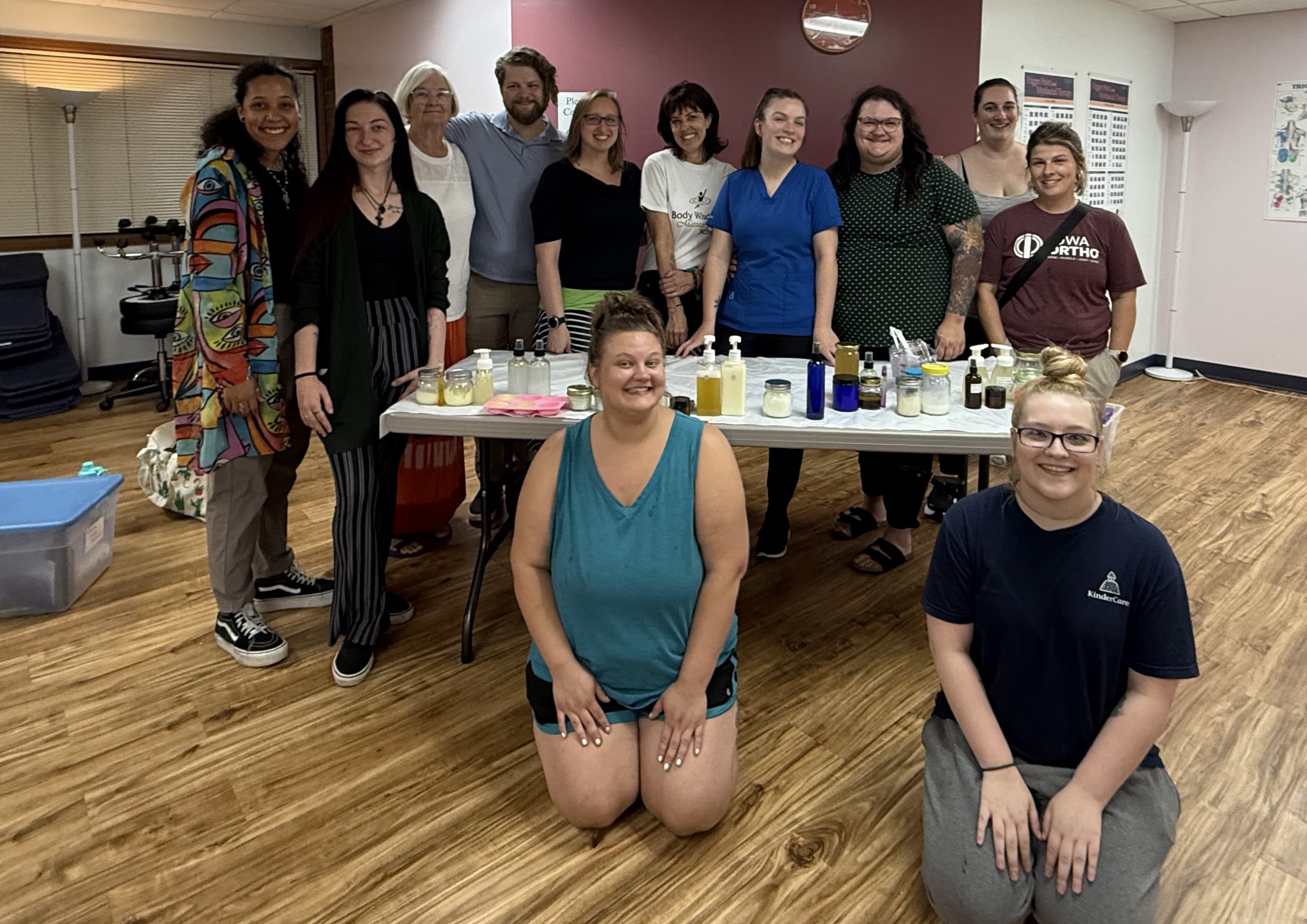
Pat: I was fortunate to teach a class there recently after an absence of quite a few years. I was also very fortunate to have students who were hungry to learn. I found the staff there, most of whom were new to me, to be so helpful and kind. I was also privileged to meet Kirk, who had become the new owner of the school just the week before. If anyone is concerned about the future of ‘our’ school, please rest assured that Ali chose very wisely, Kirk is a wonderful human being, and I believe he will catapult Body Wisdom above any and all expectations.

BWS: If you could speak directly to future students or teachers reading this years from now, what would you want them to know about the roots of Body Wisdom?

Pat: The roots are deep, anchoring, grounding, and genuinely caring for the welfare of each and every student who crosses the threshold – I was one of the most unlikely students, and Body Wisdom changed all of that.

BWS: Any parting thoughts, lessons, or stories you’d love to share that we haven’t touched on?

Pat: I wish every student who goes through those doors every blessing on his/her journey through life.

A note from Ali and Rhett: Pat, thank you for sharing this. It truly warms our hearts. ❤️ I’m personally thrilled to have Kirk taking the reins at Body Wisdom. Honestly, I couldn’t imagine a better person to carry forward the mission that Ali and I have always believed in so deeply.

With Ali, Kirk, and me working together as a team, Body Wisdom is in excellent hands for the foreseeable future. It feels like the perfect blend of heart, vision, and dedication to our students and community.

Pat, I’m so grateful you got to experience that energy firsthand in your recent class—it means a lot to hear your words. 🙏

We’re sending you every blessing, Pat, and heartfelt thanks for your many years of dedication to both the healing arts and Body Wisdom. 💛 So much love and gratitude flowing your way from all of us—students, grads, and staff alike!

Ali and Rhett

Posted by: Body Wisdom | July 28, 2025

“Massage Marketing Pulse – July/August 2025”

For Body Wisdom Grads growing their private practice with heart, skill, and strategy.” (For YOU or whoever takes care of your social and your website!)

=> Big Picture: Your Clients Are Searching Differently
Instagram, and TikTok are no longer just social tools—they’re search engines now!!!!

Clients now type things like:

“Neck pain relief Des Moines massage”
“Massage therapist for stress and burnout near me”
“Best lymphatic massage after surgery Iowa”

But here’s the deeper truth: it’s not just Google anymore!!

AI tools like ChatGPT, Google’s new Search Generative Experience (SGE), and voice assistants are answering questions BEFORE people even click a website!! That means you’re not just optimizing for SEO anymore—you’re now dancing with four major types of visibility:

The Four Kinds of SEO You Need to Know (and Use)

  1. Classic SEO – Optimize your website so it shows up in search results for the right keywords.
  2. GEO (Generative Engine Optimization) – Create content that AI tools can summarize and feature in answer boxes and “AI overviews.”
  3. Local SEO – Make sure your practice shows up on maps and “near me” searches.
  4. AEO (Answer Engine Optimization) – Structure your content so Siri, Alexa, and voice AI can pull direct, speakable answers from it.

Action Tip:
Update your website and Instagram bio with clear, searchable phrases that feed all four types of search:

“Prenatal Massage in West Des Moines”
“Helping active women recover faster through Myofascial Release”
“Calm your nervous system. Reset your body. You deserve both.”

Also: Start thinking in questions and answers—just like your clients search.


What’s Working Now?

Hyperlocal SEO
Google’s Map Pack is prime digital real estate right now!!
Ensure your Google Business Profile is up to date with your hours, services, and includes at least one recent 5-star review.

Instagram = New Search Engine (As of July 10th, 2025)
==> BIG NEWS: Instagram posts (from public pro accounts) are now indexed by Google!!
Use keywords in your caption (not just hashtags!), tag your location, and don’t be afraid to repeat the words people are actually searching for.

Zero-Click Content
AI and Google are favoring content that answers questions right on the page or post.

Share bite-sized “answer cards” like:

“How often should you get a massage for chronic tension?”
“3 signs your fascia is restricted (and what to do about it)”

These work for GEO and AEO, while building trust and authority.

“Instagram Trial Reels: Quietly Test, Confidently Post”
Instagram’s new Trial Reels feature is a game-changer for creators and businesses looking to experiment without risk. Instead of posting a Reel to your full audience right away, you can now soft-launch it to non-followers only, giving you a chance to test how it performs in the wild. Over 72 hours, Instagram gathers data on engagement—views, likes, shares, and comments—so you can see if the content truly resonates. If it’s a hit, you can then confidently publish it to your followers for maximum impact, or let it auto-share when it reaches your set goals.

What It Is: Instagram Trial Reels let you test a Reel with non-followers first, keeping it hidden from your primary audience while you gauge engagement (views, likes, shares).

How It Works: After you post a Trial Reel, Instagram shows it only to new viewers for up to 72 hours. If engagement is strong, you can manually publish it to your followers—or set it to auto-publish when it hits performance goals.

How To Do It: When creating a Reel, simply toggle on “Trial Reel” before posting. Monitor the performance in Insights, then decide whether to share it fully or leave it unpublished.

Content Focus for July/August

Short-form video still rules ….
And the bar isn’t perfection—it’s authenticity. Stats have shown that people favor “real” over polished, so go for it!

Video ideas you can record this week:

  • “What I love most about helping clients heal”
  • “3 things I do to protect my hands as a massage therapist”
  • “How I helped cyclists recover after RAGBRAI”

Educational Posts = Value
These satisfy both human curiosity and search engines. Even a 2-sentence tip counts.

Client Stories (with permission)
There’s no better SEO than real trust in action. If it helped someone, share it.


July/August Action Items for Your Practice

Task📈 Why It Matters
Add a new 5-star review to GoogleFuels Local SEO + client trust
Post one short-form video (Reel/TikTok)Boosts visibility + reach
Create an FAQ carousel or blogSupports GEO, AEO, and Classic SEO
Update your Instagram & site biosHelps clients (and AI) know exactly what you offer


Wishing you great success in your massage marketing journey!
If you ever have questions or need a little extra guidance, I’m just an email or call away:

Rhett Hatfield

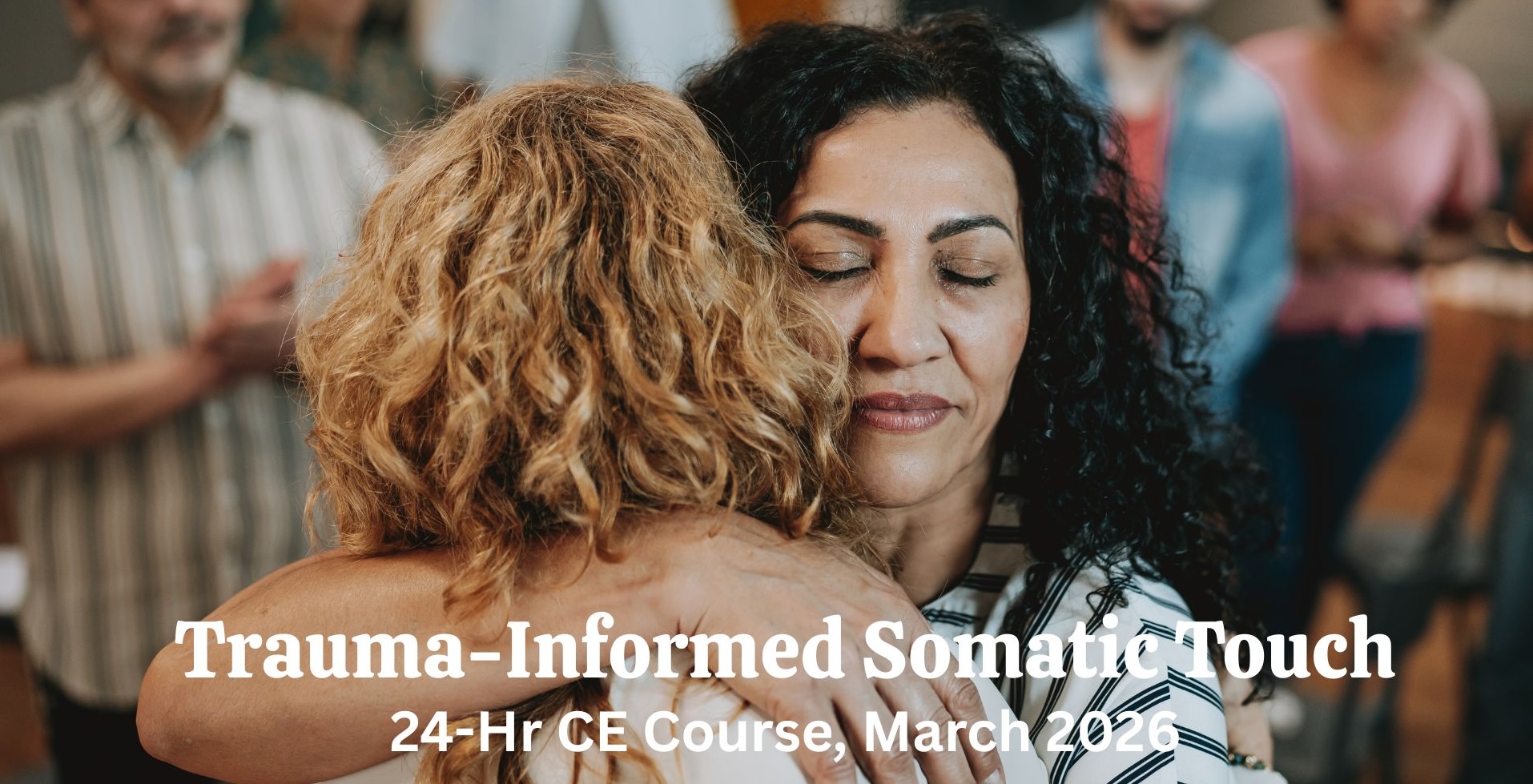
In March 2026, Body Wisdom Massage School will launch one of its most meaningful offerings to date, a 24-hour continuing education course designed for massage therapists and all wellness professionals: Trauma-Informed Somatic Touch.

This training emerges from a deep need in our profession. While more and more clients seek out body-based therapies for stress, pain, and emotional overwhelm, many of them carry unresolved trauma in their nervous systems. Sometimes it’s obvious. Often, it’s subtle. But what we now understand—thanks to the integration of neuroscience, Polyvagal Theory, and somatic psychology, is that touch itself must adapt.

Gone are the days when deeper pressure alone was the answer.
Today, we are called to offer something different: touch that listens, touch that regulates, touch that empowers.

What Is Trauma-Informed Somatic Touch?

This course brings together:

  • A working understanding of Polyvagal Theory (in simple, usable language)
  • Real-world tools for recognizing autonomic nervous system states in clients
  • Principles of co-regulation, safety, and attuned presence
  • Gentle, grounded hands-on techniques that help shift clients from survival states into connection and calm
  • Practitioner tools for self-regulation and resilience, so you can offer more without burning out

Unlike talk-based or purely educational approaches to trauma, this training focuses on the body—where trauma lives, and where healing begins. You’ll explore how the nervous system responds to touch, how to adjust your presence and pacing moment-to-moment, and how to become a safe place for others through your way of being, not just your technique.

This training is open to:

  • Massage therapists and bodyworkers
  • Yoga and movement educators
  • Energy workers and breathwork facilitators
  • Somatic coaches, doulas, caregivers, and wellness professionals

Whether you’re just starting or decades into your practice, this course will give you fresh insight and new tools to deepen the healing potential of what you already offer.

Why Now?
The world is overwhelmed. Many people are living in chronically activated states, often without realizing it. Practitioners are feeling it too. As healing professionals, we’re in a powerful position—but only if we’re equipped with the tools to meet our clients where they are.

Trauma-Informed Somatic Touch is a shift in how we think about healing, safety, and the power of human connection. It’s about learning to see what the body is trying to say, and how to respond in a way that promotes true regulation and resilience—without needing to “fix” or “figure it all out.”

What You’ll Walk Away With:

  • A new lens for understanding trauma in the body
  • Practical tools to use with clients the very next day
  • Embodied confidence to navigate emotional moments in sessions
  • A renewed connection to your own body, your own breath, your own presence
  • A community of like-minded practitioners who want to heal the world—one grounded touch at a time

Let’s meet the world’s pain with grounded hands and open hearts.
Let’s make trauma-informed touch the new standard of care.

For more information and to enroll, contact:
G Kelley at 515-727-4890
or email g.kelley@bodywisdomschool.com

From an early age, I was very fortunate to have a grandfather who was a natural healer with herbs and plants. He would take me out on walks and teach me what the different plants were used for, then I would see him gather them up and make tonics out of the different plants and herbs that he collected. He sparked my interest in natural healing from a very early age. I witnessed how the salves that he made would also help when he massage them into his areas of pain and used them on my grandmother‘s joints to help her.


I knew my path was destined to help people heal naturally after college. I was living in the Monterey area and met someone in the massage therapy field. At that time California was not a licensed state and most therapist were either mentored by someone or there were a few small schools you could attend. I worked in her shop first as an attendant and Receptionist, but she knew my passion was to become a therapist. So she slowly started helping me and teaching me. I saw firsthand the results that people received through bodywork and knew this was what I wanted to pursue. At that time is when I first realized that Massage was an art and a way of life, not just a career.


I knew I needed to formalize my education and when we were transferred to Iowa that is when I was so fortunate to find Body Wisdom. I still remember touring the facility and a spark deep within was lit and I knew this was the home for my education.


When my clients ask me how I have sustained such a long career and why my techniques are different from others they have had, that is when I reflect upon my story of my education at Body Wisdom. My journey at Body Wisdom was an incredible gift. Not only from the instructors who I treasure to this day and are in touch with most of them. The hands-on teaching and passion from each and every one of them is embedded in me to this day. It is so different to have an instructor who loves what they do and is passionate about what they teach. I believe this made all the difference. I was prepared in my career, not only from each and every modality, but the base of knowledge from all the required education was also fabulous. I could go on and on about each and every one of my instructors and what they imparted in me. Something that you do not get from a school that teaches from a curriculum and not from the heart. I would advise any one who is considering a career as a massage therapist to come and witness the difference that Body Wisdom provides. They instill that it is not just a career, It is a way of life.
My education at Body Wisdom definitely prepared me for the world of Massage outside of school. From doing clinical work, to the outside events that we did. But more than that, I felt a solid learning that made me feel confident in what I was doing.


Each of us as therapist has a path that we choose, some of us prefer clinical or sports massage, some love spa work, I believe my path gave me the freedom with my education to incorporate many of the things that I learned. My massage is never the same even on someone that I have worked on many times. I believe my training from my amazing instructors instilled in me the confidence to use those skills.

Each and every client that I see even if I have seen them several times is someone special on my table. The first thing I always do is allow time for them to tell me how they are feeling both physically and emotionally. I use active listening, which I feel is one of the most important skills. They may have had a completely stressful week opposed to the last week that you worked on them. I also make them feel that they have my full and undivided attention. You can assess many things from the moment the client is walking to your room. Once they are on my table I always encourage them that this is their time and to take this time to let everything go and relax. I always go over the body completely before I even begin. I have had several clients jokingly telling me that I have seeing eye hands. As I make my assessment, I immediately know what tools I may need and always have them ready at my disposal.

I believe my longevity in the Massage field is due to my education, being taught the proper body mechanics, being instructed to always take care of myself, both physically and mentally. I have been very fortunate to work with some amazing people in my career, I have practiced in five different states and worked under acupuncturist, chiropractors, naturopaths, and integrative doctors along with physical therapist. I gained invaluable knowledge from each and everyone of them. My husband jokingly says that every time we are transferred, I would have no problem finding work. And I have to say that the opportunities always appeared, and I knew immediately if I was supposed to be there. This is key to finding a fulfilling workplace that is right for you. If you do not feel that you are making a difference and people are not rebooking examine it. Sometimes you need to examine yourself and see if your heart is where it should be.


In the beginning of my career, I worked for some beautiful Spas where I learned that this was not where I needed to be because I wanted to see my clients on a regular basis and help them through their healing journey. This is why I then started working for those that were in that field. I love seeing a client‘s progress, and working under a wellness based practice I was able to witness this and it was extremely fulfilling. I have also volunteered my time on different occasions, including hospice work, which is a whole different modality in itself. I find it extremely rewarding to help that person in their transition, when sometimes no one else wants to touch them.


I am currently in the Sedona Arizona area where I have had the opportunity to become a snowbird therapist. In the warm months here I travel to the high Sierra’s in California where we have a mountain retreat that overlooks 5 acres of beautiful forest, because both of these areas have a seasonal clientele it works out perfectly.

In a few weeks, I will be turning 63 and as I continue my journey with massage therapy, it will always ebb and flow.

I believe the best advice I could give any Therapist is to not only receive a wonderful education, but to always continue learning, I could write a book on how exciting it is to be in this career and everything that I have learned and will continue to learn. My heart becomes full every time I add something that adds new fulfillment to my career. I am very happy that our country seems to be headed towards a healthier way of life, and I have seen the change in the last five years. Massage for me will always be a way of life and a career that has been lead from the heart.

Thank you so much for sharing your 18-year massage journey with us Sandy!

The Body Wisdom Team

BWS: How does your background in dance and movement influence the way you teach and practice massage therapy?

Annie: It’s taken me a long time to really put into words how much my movement background supports my massage work. I’ve almost never needed to separate them.  It was always second nature to me to be able to put myself in another person’s “movement shoes”. I studied movement in a way that asked me to access every muscle of the body in order to create the dance move that we were working on. I had professors who taught with rich figurative language which helped me learn to access each muscle of the body. 

When I began massage school, this training allowed me to mirror up with my clients as I would ask them to connect with or engage a certain muscle. And when I began teaching, I saw each students’ movements around the table as an opportunity to get inside their body and try to help them achieve the best possible outcome. 

BWS: You’re known for teaching Deep Tissue and Neuromuscular techniques—what do you love most about these approaches?

Annie: I love Deep Tissue and Neuromuscular Massage probably because I feel I am creating the most change in a short amount of time for my clients. Personally, they also follow some pretty straightforward formulas, and that allows me to feel like I don’t always have to intuit the next step.

A note about intuition: I think I would say I’m an “energy curious“ therapist. I fully support the known fact that you cannot finish a massage session without having had some energetic exchange with your client. I don’t set out to do energy work, but I’m always looking for signs that this magical intangible connection is happening. I sometimes say that NMT is the magic of massage, creating immediate relief and palpable change. So NMT allows me to feel like the magician I know massage therapists can be.

BWS: You got your initial training at the Atlanta School of Massage (since closed), how would you compare the training you got at Body Wisdom?

Annie: I am so proud to say that I graduated from the Atlanta School Of Massage, and I hope some of my classmates and students that see this are also proud of this great institution. The instructor-to-student support and educational opportunities were numerous. We moved through different staff for each massage topic or body part and in doing so got to witness 6 to 7 different approaches to each massage technique.  Our student clinic was hyper-focused on making every minute count. Instructors observed portions of every session, gave specific feedback and hands-on adjustments afterward, and the closing session after a shift in the clinic brought up so many great in-the-moment topics to talk through and process.

When I think about the differences or similarities between the Atlanta School Of Massage and Body Wisdom, they are like apples and oranges- each providing essential opportunities to thrive. I always tell students here at Body Wisdom that they are so very lucky to be in control of their massage program from the very beginning; choosing their classes and dictating their own pace. The quality of education remains consistent and gives me great confidence in the field of massage therapy and it’s future.

BWS: What’s one “a-ha” moment you often see students experience in your classes?

Annie: I have a few:

The first time introductory students complete a 90 minute massage and realize how things all come together- some crying, some laughing 🙂

When students in an elective course say things like “this is the missing piece I’ve been looking for in my practice“ it validates their choice to be in this profession.

These moments make it all worth it! I’m honored to get to be in the room where it happens.

BWS: What role does communication—verbal or nonverbal—play in your sessions?

Annie: Communication is one of the things I feel is so important to practice in the classroom, and for students and therapists to remember in session. I think it was Brené Brown who said “clear is kind“ and I take this to mean the more clear the instructions to or the wishes of the client are, the better it is for both parties.

I love to give a sample script as I am demonstrating hands-on work and encourage the students in class to stumble through saying as much as they can, knowing they can always do less if it’s appropriate.

The nonverbal side of communication is where I feel most like a magician. When I hear a client say “wow how did you know to work there?“ it’s almost never because I had some divine inspiration, it’s always a cue from their body. A twitch, a breath, a remark they made in passing will all help me find the right place to go in bodywork.  I think that’s the best gift I can give my clients: paying close attention to everything they share with me verbally or non-verbally.

BWS: How do you balance science and intuition in your work? Do you lean on one more than the other at different times?

Annie: As I mentioned before, intuition is something I have worked tirelessly to trust and find in myself.  So much that I studied for years with an incredible teacher, Geoff West, and I am sure he would giggle at my insecurity here.  We dug deep into MondoZen meditation, Myofascial Unwinding, Raw Communication and Integral Theory- each unlocking some allowance for me to trust my instincts and listen to the subtle stuff.  His catchphrase, “Stay with it”, helps me daily.  So I continue to trust my listening skills, speak truth, and question everything.

Science- anatomy, physiology, kinesiology, NMT- all allow me to follow a protocol, and feel thorough and supported in my choices.  Without this, intuition can feel thin- not untrue or invisible- but WITH science intuition feels more substantial. 

You cannot explain everything with energy principles or with scientific knowledge… the messy middle feels right.  Not knowing but still staying with it has unlocked the doors for me. 

BWS: What advice would you give to new students just starting out to travel the path that you have taken?

Annie: My advice to new therapists (and old) would be to seek out a contact improvisation dance class or group. This is where the real fun in intuition happens! Explore the concept of rhythm and progression in bodywork – imagine the calming effect sound has on the system. 


Thanks for your sharing your massage journey Annie 🙂

The Body Wisdom Team

Posted by: Body Wisdom | June 8, 2025

AI and The Power of Your Uniquely Human Touch

Dear Body Wisdom students and graduates,
In a world buzzing with artificial intelligence and machines promising convenience, there’s something deeply sacred about the work you do. While robotic massage tables can deliver consistent, pre-set routines, they will never match the intuition, warmth, and presence of a human therapist’s touch—your touch.

Our bodies are wired for connection. Special nerve fibers in the skin respond to gentle, nurturing touch, activating the same pleasure and bonding pathways in the brain that help us feel calm, safe, and seen. This kind of healing touch, rich with empathy and subtle attunement, is simply beyond the reach of any machine.


Why Robots Will Never Replace the Heart of the Therapist

Intuitive Adaptability
A trained massage therapist can sense the slightest shift in muscle tone, breath, or emotional state and respond in the moment, adjusting pressure, pace, or technique with artistry and care. No robot can replicate this living, listening intelligence.

Real Empathy & Presence
Your clients don’t just need techniques, they need you. Your presence, your kindness, your ability to tune in and hold space with compassion. Healing isn’t just mechanical; it’s relational. As one teacher beautifully put it, “The value of human touch is not replaceable.”

Holistic Healing
Massage is more than movement; it’s a dialogue of touch, breath, expression, and subtle cues. Sometimes a sigh tells us more than words. Sometimes, stillness is the medicine. These moments of intuitive insight create real transformation, something no algorithm can predict.


Skilled Hands, Open Heart
When you work, your hands aren’t just applying pressure; they’re listening. They’re feeling, responding, and adapting with every moment. If a client flinches, you soften. If a muscle lets go, you follow. Robots, even advanced ones, can’t feel like you do. They follow code. You follow connection!

Even studies with AI-driven massage machines show that while they may be precise, they still fall short in safety, effectiveness, and, most of all, humanity. As one massage educator shared, “A robot may have better moves, but it will never have human empathy, interactivity, and judgment.” Exactly.


Touch that Heals the Whole Person
Many clients arrive not just with tight muscles, but with heavy hearts, anxious minds, or long-overdue needs for comfort. Your touch can lower stress hormones like cortisol and boost oxytocin, the bonding hormone that helps people feel safe. But it’s not just biology, it’s your presence that does this.

You create a safe space. You offer not just relief, but reassurance. And you adapt, not just to the muscles, but to the person. As one therapist put it, “Massage is an exchange of energy. It meets an innate human need.” No machine can replicate that kind of care.


Wisdom from Our Community

Thoughtful voices in our field agree: technology can support, but it cannot replace what you offer.  

“Touch is the first sense we develop and the last to leave us. That kind of primal human connection cannot be downloaded or duplicated.”
Dr. Tiffany Field, Touch Research Institute

“What I’m after is not the technique—it’s the feeling.”
Dr. Milton Trager

These quotes speak to exactly what no machine can replicate: the feeling behind the touch, the embodied presence of the practitioner, and the subtle, intuitive quality of therapeutic connection.

These aren’t just opinions—they’re affirmations of your value. Of your calling.


A Career that Matters—Now and in the Future
The world needs compassionate, skilled massage therapists more than ever. Demand for therapists is rising rapidly, projected to grow 18% between now and 2033. That’s far above average. And the industry reports a shortage of nearly 30,000 therapists. That’s you—in high demand.

But beyond the numbers, it’s the heart of this work that keeps calling people in. As a Body Wisdom graduate, you carry forward something precious: a tradition of healing, of human connection, of hands that know how to help, and a presence that offers peace.

Even as technology evolves, one truth remains: healing happens between people. And you, dear therapist, are part of that living legacy.

Editiors Note:
Great news, AI is never going to replace the power of human touch in massage therapy! That’s something I highlighted in this month’s newsletter feature. Still, there’s no denying that AI is already starting to transform many parts of our industry—and it’s only going to grow from here.

If you haven’t started using AI yet, now’s a great time to dip your toes in. Let’s be honest: none of us went to massage school to spend hours writing marketing copy or creating business forms, right? So why not let AI take some of that weight off your shoulders, so you can focus more on doing what you love, helping clients, and enjoying your time outside of work.

I’ve been utilizing AI extensively in my coaching with wellness professionals, and it has been immensely valuable. I teach people how to use AI in ways that support their goals, without the overwhelm or pitfalls.

As a little gift, I’ve included a Niche Marketing Research Prompt I designed at the end of this newsletter. Give it a try—I think you’ll be pleasantly surprised by what you discover!

Rhett and The Body Wisdom Team

Over the years, I’ve noticed a little-talked-about element of success as a solo practitioner: community. Whether they run a multi-therapist office or work alone, the most successful massage therapists I know have built a strong sense of community around them.

Success in massage therapy isn’t just about great technique; it’s about the people around you—your peers, clients, mentors, and social circles. The more people you connect with, the more business will be drawn to you. Massage is, at its core, a people business, and a thriving community naturally leads to a flourishing practice.

So, how do you build a community that supports your growth, fills your schedule, and helps your practice flourish?

Let’s explore the most effective ways to build online and offline relationships so that your massage business can become a natural magnet for success.

Ways to Build Community & Grow Your Massage Practice

1. Host Free or Low-Cost Local Events 🌀

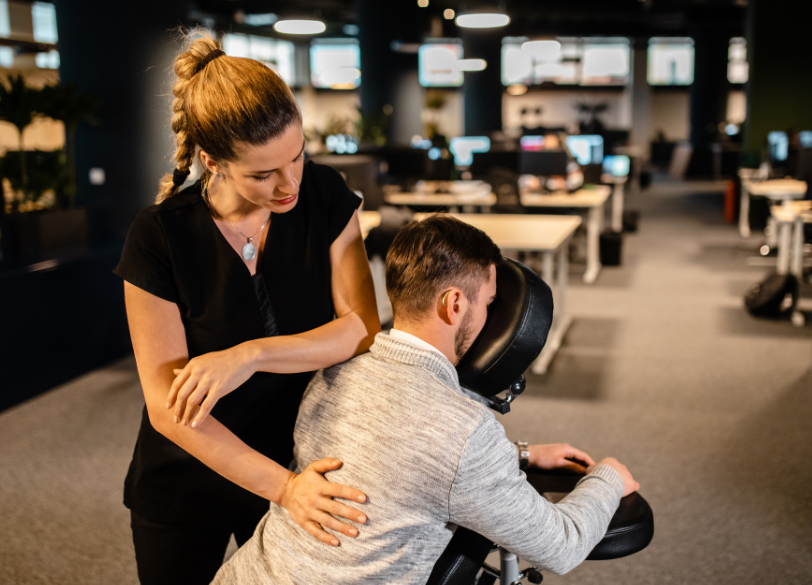
  • Organize community wellness days with free chair massages at local businesses or parks.
  • Run self-care workshops that teach stretching, self-massage, or relaxation techniques. These can be “spa days,” for example.
  • Partner with a yoga studio for a Massage & Meditation NightYogis love massage and will do anything to make themselves more like pretzels. 
  • Set up a pop-up massage booth at farmers’ markets or local festivals.

2. Collaborate with Local Businesses ♾️

  • Offer cross-promotions with gyms, yoga studios, chiropractors, and wellness centers.
  • Create corporate wellness partnerships for office chair massage programs.
  • Build a referral network with healthcare providers who align with your work.  This is key!  I’ve seen many therapists do well with this approach.  If you can work on them to experience your work, even better!

3. Get Involved in Local Groups & Events 🌀

  • Attend business networking groups and Chamber of Commerce meetups.  See my article on Bob Burg’s FORM approach to networking!
  • Join wellness circles or holistic healing groups to connect with like-minded professionals.
  • Volunteer at nonprofits or fundraisers—giving back can introduce you to potential clients.

4. Host Client Appreciation Gatherings 🌀

  • Invite clients to an exclusive appreciation night with mini-massages and giveaways.
  • Reward loyal clients with a referral party—bring a friend, get a discount.
  • Offer annual wellness check-ins to keep clients engaged and coming back.

5. Teach & Share Your Knowledge 🌀

  • Offer educational talks at libraries, coffee shops, or wellness centers.
  • Give short presentations on stress relief, posture correction, or self-care at community events.  This is HUGE and if you host events that dovetail with the needs of your target market even better!!
  • Speak at schools to teach athletes and educators about injury prevention and wellness.
  • Mentor aspiring massage therapists to pass on your knowledge and grow your reputation.

6. Build an Engaged Social Media Presence ♾️

  • Start a Facebook group where clients can ask questions and share wellness wins.
  • Go live on Instagram or Facebook for quick self-care tips, Q&As, or a behind-the-scenes look.
  • Post interactive content like polls, client success stories, or relaxation challenges.

7. Create an Email & Text Community 🌀

  • Send a monthly newsletter with wellness tips, promotions, and client spotlights.
  • Offer exclusive discounts or first access to new services for email subscribers.
  • Check in with clients through personalized messages on birthdays or milestones.

8. Collaborate Online for More Visibility ♾️

  • Be a guest on local wellness podcasts or blogs to share your expertise.
  • Start a YouTube or TikTok channel with short self-care tutorials.
  • Host virtual wellness webinars where you and other experts discuss holistic health.

9. Strengthen Your Online Reputation 🌀

  • Engage in wellness-related Facebook groups to share insights and connect with new clients.
  • List your business on Google My Business, Yelp, and MassageBook.
  • Encourage happy clients to leave reviews and tag your business in their posts.

Keeping Your Community Strong

✔ Show up consistently—people trust therapists who are reliable and present.

✔ Focus on relationships, not sales—genuine connection leads to lifelong clients.

✔ Follow up—stay engaged with clients and referral partners over time.

✔ Reward loyalty—encourage referrals and repeat visits with thoughtful gestures.

✔ Let your personality shine—people connect with YOU, not just your service.

Final Thought: Community Creates Success
At Body Wisdom, we have spent over 25 years building a family of students, graduates, staff, teachers, and clients. Every person who has walked through our doors—whether as a student or a client in the student clinic—has become part of something bigger.

We are deeply grateful for the passion, dedication, and energy that our community brings to our lives. Because of this shared connection, we continue to grow, learn, and transform together.

Thank you for being part of our journey.

– The Body Wisdom Team 💙

Posted by: Body Wisdom | April 5, 2025

Ariel Genheimer-A Career in Health, Harmony and Healing

BWS: Looking back over 18 years in this profession, what have been some of your biggest lessons?
Ariel: You don’t have to be good at everything! Both in terms of massage techniques and other aspects of business. We have a great, supportive community of therapists in Iowa, and I’ve found that people are usually happy to share their experience and expertise. It’s necessary and healthy to seek help and support for areas where you may have less skill and experience. As far as the massage itself, I’ve learned over the years that some techniques, even if I love receiving them, are just not my thing to give, and it’s ok to let those go. I have no regrets about taking those classes- I think it’s good to challenge yourself- but I no longer feel guilty about taking something off my menu that just isn’t working for me. Focusing on what does work for me and brings me joy also brings the right kind of clients my way. Plenty of other therapists are offering different approaches to massage, and I don’t need to be everything for everyone.

Another lesson is that there are going to be ebbs and flows. As much as you can, having a financial cushion saved up for slower times will help some of that stress. I have often found that when I do have a slower time, I end up needing that extra time for something else that comes up in my personal life, so I try to appreciate the space when it happens and look for what I might need during that time (which sometimes is just some down time!).

BWS: What was opening Health & Harmony Massage Therapy in 2007 like? Did you face any unexpected challenges?
Ariel: Things were undoubtedly slow, to begin with, but I gradually started building a client base. I tried several marketing things that did not give any return on my investment of either time or money, which was frustrating at the time. I put a lot of time into building my website, and that was how most people found me initially. As I began building my clientele, word of mouth eventually became the most significant way new people approached me. I still think having a solid online presence is very important. One of my biggest challenges was moving from a very regular daily schedule to one that was different daily. I’m very much a creature of routine, so I had to build a structure within that changing schedule to keep myself on an even keel. Gradually, that became easier, and I’ve learned to roll with the punches better.

BWS: What do you love most about being a massage therapist and business owner?
Ariel: I love making a real difference in people’s lives, especially those who may have struggled with something that impacts their daily living for a while. They’ve maybe tried several other approaches before finding me. I also love the variety of people I get to work with, both for the unique challenges they bring and the range of personalities and life experiences I get to build trust and rapport with through my work.

BWS: Since 2019, you’ve been teaching Positional Release at Body Wisdom—what is it about this technique that excites you?
Ariel: I love how it works with the body, utilizing the nervous system to impact changes gently but effectively. I appreciate that it can be used both in acute and chronic conditions. I especially love that I can facilitate big changes with less discomfort for my clients and less work for me as a therapist.

BWS: How has incorporating Positional Release into your practice helped your clients?
Ariel: There are so many stories I could share here! One of my favorite things is when I ask a client about something we worked on in a previous session, and they forget that it was a problem.

BWS: Some therapists may not be familiar with Positional Release—how would you explain its benefits in simple terms?
Ariel: Positional Release works by passively positioning the body in a way that brings the attachment sites of a muscle closer together and holding that position to allow the muscle to relax and reset to a more neutral resting position.

BWS: What is your favorite part about teaching at Body Wisdom Massage School?
Ariel: My favorite part is seeing the “aha moment” when things click for my students. The first day or two is usually just going through the motions, trying to figure out the technical side of the technique. Then, they start to feel changes happening and move beyond the anatomy and positioning to the magic of accessing the nervous system through the method. I also love that, through teaching, I impact so many other clients that will never be on my own table.

BWS: If you could give one piece of advice to someone just starting out in this career, what would it be?
Ariel: Be true to yourself. If you can find your specific recipe for a massage that resonates with who you are, that passion will be evident to the clients who find their way to you. That also involves healthy boundaries—the time you are available, the amount of pressure your body can give, and even the specific techniques you offer. It can be tempting to do it all when you are first starting out, but that does a disservice to you and your clients in the long run.

BWS: Many new therapists worry about building a sustainable business—what strategies have helped you maintain a successful practice for nearly two decades?
Ariel: I think one of the most significant factors in being sustainable is learning (and adapting to) your own physical and mental limits. When I was still in my 20s, I figured out early on that I couldn’t do more than 5 massages, no more than five and a half hours total per day, and not more than 22 hours of hands-on time per week. I never did less than half an hour between sessions. Over time, that has moved to 3 massages per day and an hour between sessions. That will undoubtedly be different for each therapist, but that is a hard boundary for me that I know I can’t exceed without being totally wiped out. The other thing that can happen when I get too tired is that I don’t do as well with energetic boundaries, specifically in making sure I am disconnecting my energy from that of my client at the end of a session. I want to ensure I am not taking anything out of the session that’s not mine (and also making sure I’m not leaving things with my clients that are mine). When I am intentional with that aspect, it makes a huge difference in how I feel at the end of the day or week.

BWS: How do you balance work, continuing education, and personal life to avoid burnout?
Ariel: It can certainly be a challenge. I think taking new classes can be very energizing. I have also learned that I do need to intentionally plan downtime or specific family time. When I get too tired, I stop doing some of the things that bring me joy, and that affects everything.

BWS: Outside of massage, you have a passion for music, crafts, and outdoor adventures—how do those interests shape your approach to wellness?
Ariel: I definitely bring to my massage approach the creativity cultivated through music and art. The natural world also stimulates curiosity.

BWS: If you could go back in time and give advice to yourself as a massage student, what would you say?
Ariel: I absolutely loved massage school and felt I was in the right place at the right time. I guess I’d just say, “Yep, you were right!”

Thanks so much for sharing your journey Ariel!

The Body Wisdom Team

Meet Jennifer: Passionate Educator, Massage Therapist, and Lifelong Learner
Jennifer brings a rich blend of anatomy, movement, and therapeutic bodywork expertise to her role as an instructor at Body Wisdom Massage School, where she teaches Anatomy and Deep Tissue Massage.

Jennifer’s teaching approach is both scientific and practical. She ensures that students grasp muscle function and structural relationships and learn how to apply deep tissue techniques effectively, safely, and with intention. Her passion for lifelong learning, movement, and mindfulness makes her an inspiring mentor for future massage therapists.

BWS: What led you to massage therapy, and how does it complement your background in fitness, rehabilitation, and wellness?
Jennifer: The first time I encountered manual therapy, I was deep into a months-long battle with tension headaches. I felt like I was slowly losing control over my life: my sleep, activity levels, and mood were all being affected. Through the skilled touch of a physical therapist, I began to feel a glimmer of hope. My pain became more manageable, not only because of the physical release of tight muscles, but also because of the mental unburdening I felt from sharing my experience with a trusted provider.

I realized that with my background as a yoga and meditation teacher, I could add massage therapy to my tool bag and really help those who were dealing with chronic pain or conditions out of their control to find relief.

BWS: You’ve spent over 20 years studying the human body—what first sparked your curiosity about anatomy and movement?
Jennifer: I will be forever grateful that I was required to take Human Anatomy for my bachelor’s degree. I had the incredible opportunity to study human cadavers for an entire semester. Two days of lab each week wasn’t enough for me; I came in for open study time as often as possible, burning with a curiosity and desire to learn everything I could. I didn’t yet know where this subject would take me, but I felt even back then that it was a life-changing experience.

BWS: You hold multiple certifications—CPR & First Aid Instructor, Wilderness First Responder, Personal Trainer, Yoga Teacher, and more. How do all of these disciplines inform your work as a massage therapist?
Jennifer: The thread that ties all of my current and past certifications together – other than the human body – is really my passion for lifelong learning. I will never feel like “I know enough; it’s time to coast.” That’s not who I am. I know enough to realize how much more there is to know. I used to feel a sense of urgency that I need to hurry up and learn everything. I realize now that that’s like trying to drain the ocean one bucket at a time. It’s much more enjoyable to slow down and just remain curious.

BWS: You emphasize giving clients tools beyond the massage table—what techniques or self-care strategies do you often recommend?
Jennifer: Yoga! I believe that your best posture is your next posture. In other words, a variety of movement is healthy for the body. For clients with low back pain, I encourage them to move their spine in all directions (flexion, extension, lateral flexion, and rotation). For soreness between the shoulder blades, I recommend supported fish pose, which opens the chest and gives the rhomboids and traps some much needed slack.

BWS: You teach yoga in addition to running your massage practice—how do your yoga classes help you connect with potential massage clients?
Jennifer: I teach 5 classes each week with 20-25 students per class. That’s over 100 people each week that I get to stand in front of; it’s incredible face time with potential clients! While I am careful to not turn my classes into an advertisement, I’ve found that if I simply mention I’m a massage therapist, I have students waiting to talk to me after class to ask if I’m taking new clients.

BWS: Do you find that yoga students who experience your classes are more open to massage therapy, and vice versa?
Jennifer: Absolutely! Trust is one of the most important components in a client-therapist relationship. It takes vulnerability to seek out a massage, especially for the first time, and choosing a therapist from the internet just doesn’t feel as safe as going to someone you already know or who was personally recommended to you. I have had yoga students (who have never received a massage from me!) recommend me to others simply because they know I am a reliable and trustworthy person.

BWS: What role does mindfulness, a core component of yoga, play in your massage sessions?

Jennifer: It’s easy to let your mind wander during a long session, but I believe I do better work when I am wholly focused on the present moment. First and foremost, I am in tune with my own breath during each massage session. I’m not perfect at it, but when I can regulate my breath and focus my mind, I sometimes have magical days where my sessions feel like a moving meditation. Not only does this result in better outcomes for my client, but I end the session feeling like my own cup has been filled. Being attuned to the present brings me a sense of purpose and contentment.

BWS: What advice would you give to other massage therapists who want to incorporate home care into their sessions but aren’t sure where to start?
Jennifer: Practice what you preach! Begin your own daily stretching routine. You’ll feel more confident recommending home care if you’ve felt its effects in your own body. While you’re stretching, review your anatomy and kinesiology books for muscle names and actions. Another idea is to try out a bunch of YouTube videos (things like “10-minute stretch” or “15-minute yoga”) and curate a list of your favorites to easily send to clients after their session.

BWS: What’s your favorite part about teaching at Body Wisdom, and what do you hope students take away from your classes? How has teaching influenced your own practice and understanding of bodywork?
Jennifer: Teaching at Body Wisdom has encouraged me to slow down and think more deeply about my work. I try to use plenty of descriptive language while I’m teaching a hands-on technique, and to provide that level of detail, I have to really focus on what I’m feeling in the tissue. Anyone can try this! Next time you’re working on a client, think about how you would explain what you’re doing to a student. Describe the fiber direction, the nearby bony landmarks, and the intention of the stroke you’re applying.

BWS: What simple mindfulness or movement practices can clients (or massage therapists) use daily to improve their well-being?
Jennifer: One of the most straightforward mindfulness techniques is breathwork. And one of the simplest breathwork practices is 2 to 1 breathing. As you inhale, mentally count from 1 up to 4. As you exhale, count backwards from 8 down to 1. Making your exhale twice as long as your inhale has an immediate calming effect on your body. The reason is this: your heart rate naturally increases with your inhale, which stimulates your sympathetic nervous system and decreases with your exhale, which stimulates your parasympathetic nervous system.

Lengthening your exhale means you spend more time in the parasympathetic (rest and digest) state, which allows your blood pressure to drop and your muscles to relax. Fun fact: even a few minutes of this technique can help you feel calmer, but I once used it for four straight hours during my daughter’s unmedicated birth! I was mentally exhausted after that intense concentration, but the analgesic effects were worth it!

If you want to learn more about Jennifer’s Massage Practice or her Insight Timer Channel, see the links below!

Thanks so much for your words of wisdom, Jennifer 🙂

Insight Timer
Insight Timer: https://insighttimer.com/jenniferbenson

Evergreen Clinical Massage
The direct link to that page is https://evergreenclinicalmassage.square.site/resources

Posted by: Body Wisdom | February 14, 2025

The Rise of Personalized Treatments in Massage Therapy

The Rise of Personalized Treatments in Massage Therapy
The future of massage therapy is highly customized, client-centered treatments that address individual needs, preferences, and health conditions. Today’s clients expect more than a standard, one-size-fits-all massage—they want an experience tailored specifically to them. This shift has led to a new level of skill and adaptability among massage therapists, making sessions more goal-oriented, therapeutic, and effective.

Now, let’s dive into the practical ways massage therapists personalize treatments.

Client-Specific Pressure & Techniques

How it works in practice:

✔ Therapists blend multiple techniques within a single session instead of sticking to one approach.

✔ Real-time adjustments based on client feedback (e.g., shifting between deep tissue, myofascial release, or lymphatic drainage).

✔ Using elbows, knuckles, forearms, or cupping when deeper work is needed but switching to gentler techniques when tissues resist.

Example:
A client comes in for shoulder pain but also struggles with anxiety. A traditional deep tissue session might feel too intense, so the therapist blends:

         •       Myofascial release to gently unwind tension

         •       Trigger point therapy on pain spots

         •       Slow, rhythmic effleurage to calm the nervous system

➡️ This ensures the treatment is effective and deeply supportive to the client’s overall well-being.

Comprehensive Intake Process

How It Works in Practice:

✔ Intake forms now include more than just health history—they ask about:

         •       Daily habits (e.g., sitting posture, movement patterns)

         •       Stress levels and emotional well-being

         •       Preferred pressure, temperature, and music preferences

✔ Therapists conduct short movement assessments to identify imbalances.

Tracking progress over multiple sessions to fine-tune treatments over time.

Example:
Instead of asking, “Where do you feel pain?”, a therapist might say:

         •       “When do you notice the pain most—morning, after exercise, or while sitting?”

         •       “What movements make it worse?”

         •       “Have you noticed any changes in flexibility or strength?”

➡️ This allows the therapist to adjust techniques dynamically, ensuring long-term improvement.

Targeted Pain & Recovery Plans

How It Works in Practice:

✔ Rather than offering random, stand-alone sessions, therapists design structured treatment plans.

✔ Clients get session-by-session progress tracking and take-home techniques.

✔ Massage is paired with stretches, corrective exercises, and breathwork.

Example:
A client recovering from rotator cuff injury might receive:

         •       Session 1: Myofascial release + gentle passive movement

         •       Session 2: Trigger point therapy + assisted stretching

         •       Session 3: Deep tissue techniques + movement reeducation

         •       Self-Care Plan: Custom stretches & at-home massage tools to maintain progress

➡️ Clients appreciate a clear plan and measurable results, making them more likely to commit to regular sessions.

Customized Aromatherapy & Sensory Elements

How It Works in Practice:

✔ Using essential oils tailored to client’s emotional and physical state.

✔ Adjusting lighting, sound, and temperature to match client preferences.

✔ Introducing guided breathwork or meditation techniques into the session.

Example:
A client experiencing chronic stress and tension headaches might receive:

         •       Lavender or chamomile essential oil during the massage.

         •       Dimmed lighting and slow, rhythmic massage techniques to calm the nervous system.

         •       Guided breathwork at the start of the session to deepen relaxation.

➡️ This approach transforms a massage into an immersive healing experience.

Massage Based on Activity & Lifestyle Needs

How It Works in Practice

✔ Recognizing that different clients require different approaches based on their lifestyle.

✔ Offering specialized techniques for different demographics—athletes, office workers, pregnant clients, etc.

✔ Educating clients on daily habits to prevent future pain or dysfunction.

Example:
A runner with tight hamstrings may need:

         •       Deep tissue work on the posterior chain (hamstrings, calves, glutes).

         •       IASTM techniques to break up adhesions.

         •       Customized stretches to maintain flexibility between sessions.

An office worker with forward head posture may need:

         •       Myofascial work on the neck and shoulders to relieve tension.

         •       Postural education on desk ergonomics.

         •       Gentle movement exercises to counteract long hours of sitting.

➡️ This ensures each client gets exactly what their body needs—nothing generic.

The Future of Personalized Massage Therapy
This trend is leading to:

More therapists training in multiple modalities to customize sessions.

AI-driven massage tools that analyze muscle tension and recommend techniques.

Greater client education—empowering people with at-home care strategies.

Massage therapists are elevating their work from routine service to transformative healing experiences by prioritizing customization and adaptability.

Good Luck with your practice

The Body Wisdom Team

Older Posts »

Categories