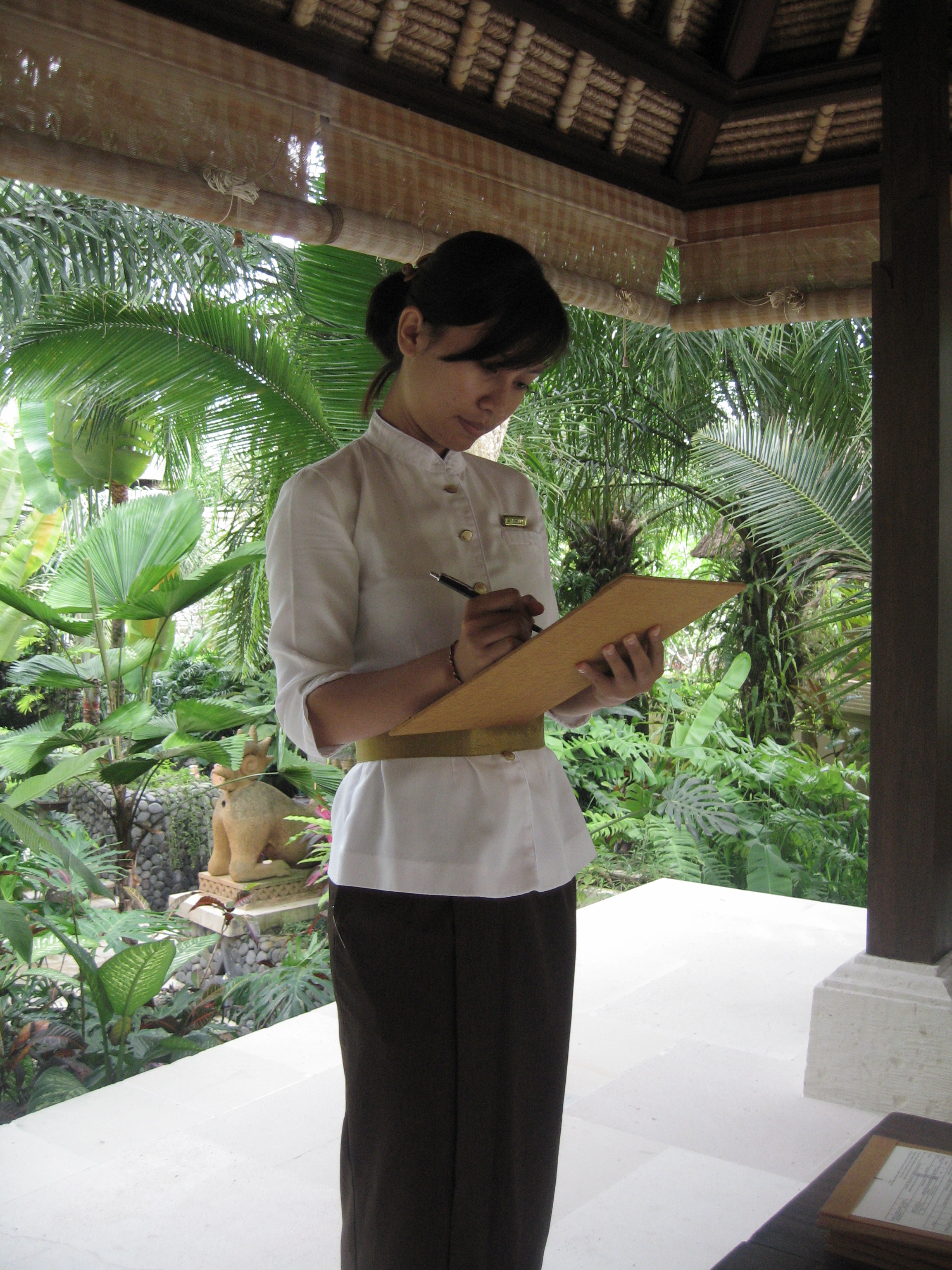
One of Body Wisdom School’s missions has always been to offer students a profound, hands-on understanding of the world’s most authentic healing traditions. This mission led to the creation of the Premier Spa Indonesia course, part of our Wellness, Spa and Resort Career Track, after extensive research and exploration of Bali’s top 25 spas.
Through direct study with village healers and immersion in the ancient wisdom of Indonesian wellness, we sought to create a course that teaches practical skills for setting up your own spa and honors the cultural heritage behind each treatment.
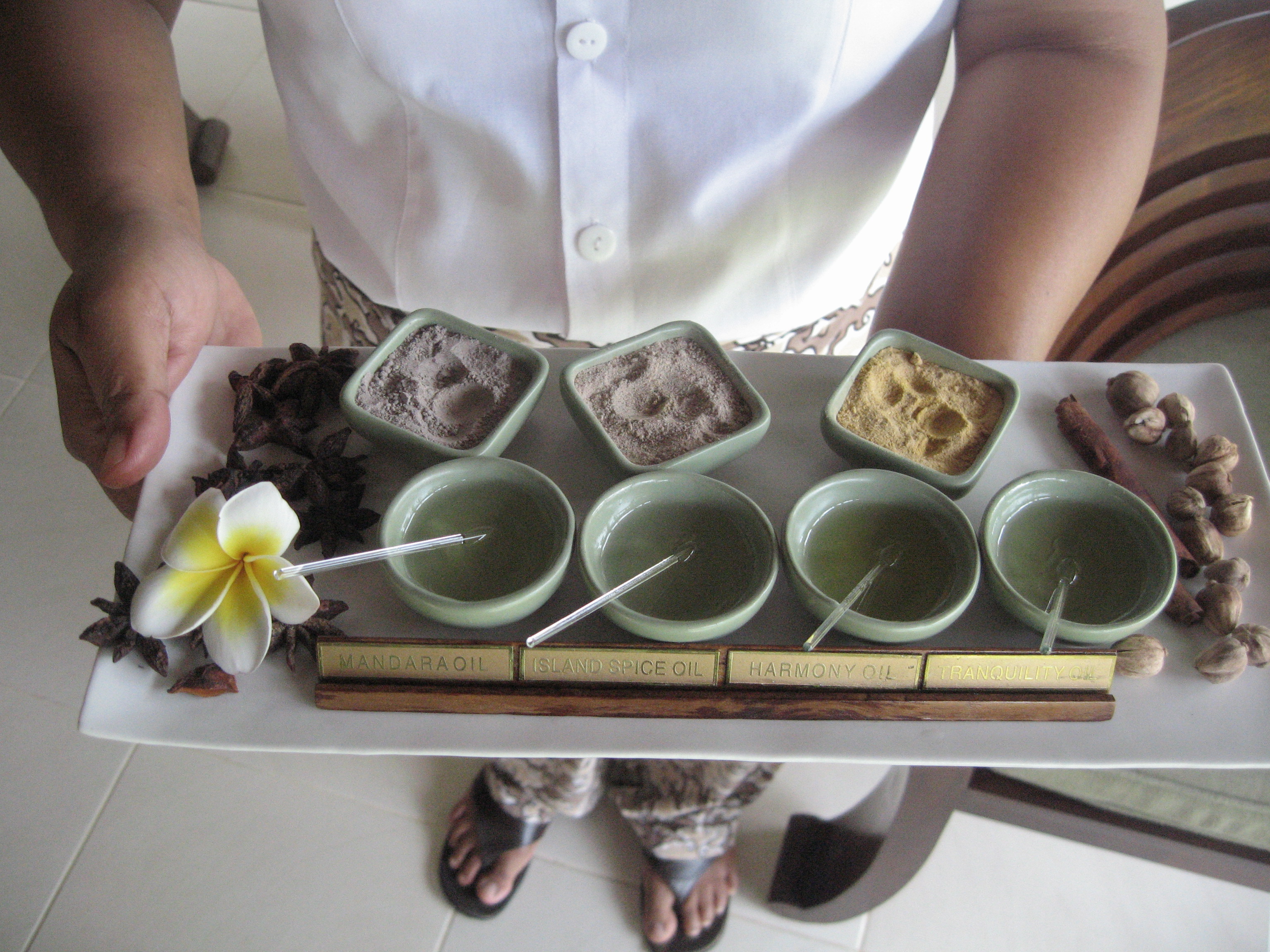
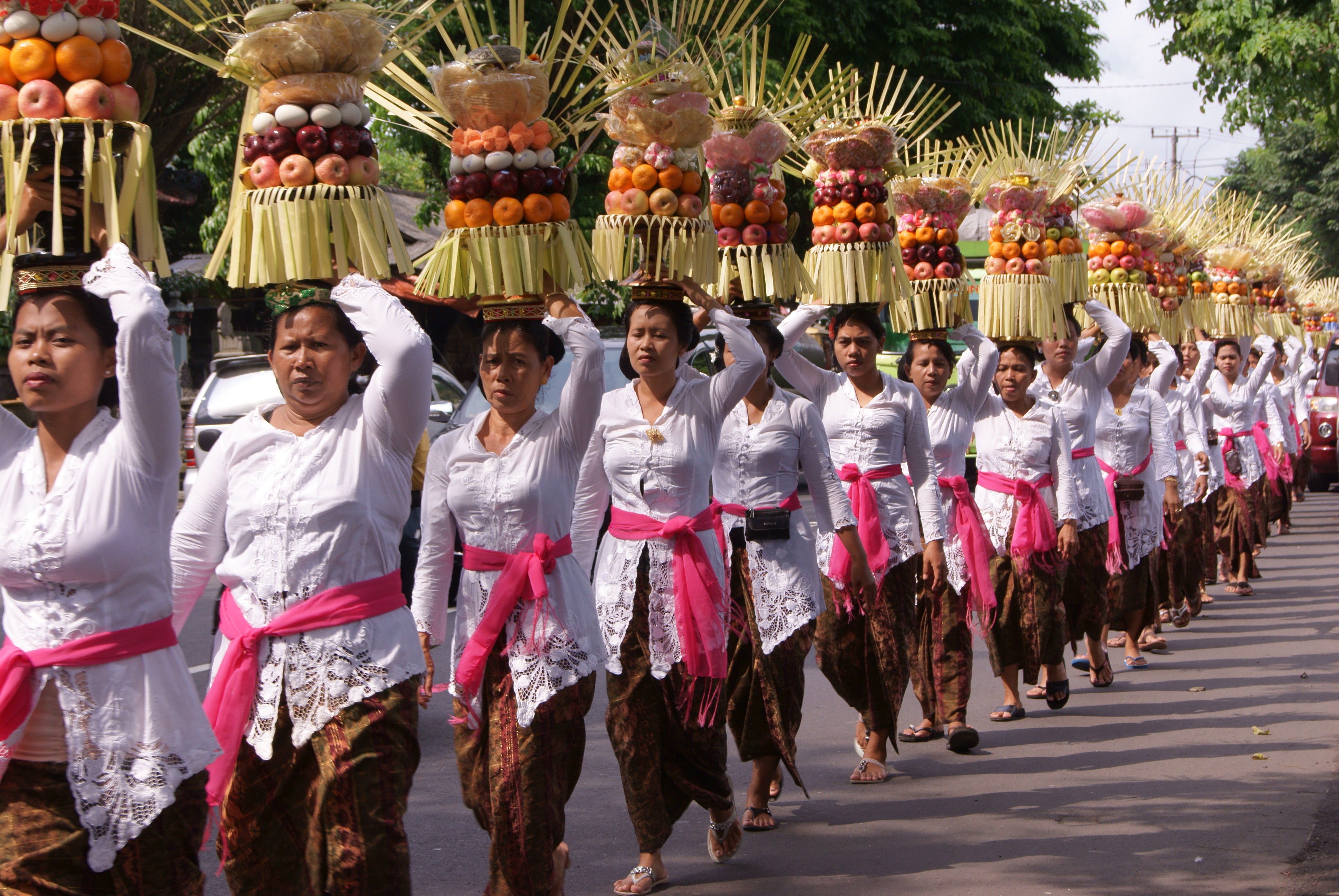
The *Premier Spa Indonesia* course was born from this mission, offering 16 hours of specialized training in some of Indonesia’s most revered spa rituals. Students will learn to master treatments like the Royal Javanese Lulur, a traditional beauty ritual once reserved for Javanese royalty and now available to anyone seeking to purify and rejuvenate their skin. This treatment, featuring a blend of turmeric, sandalwood, and other herbs, dates back centuries and is designed to refresh and detoxify, leaving clients with a signature golden glow. Students will also be trained in the Balinese Boreh, Bali Spice Scrub, and Bali Kopi Scrub, each offering its own unique benefits.
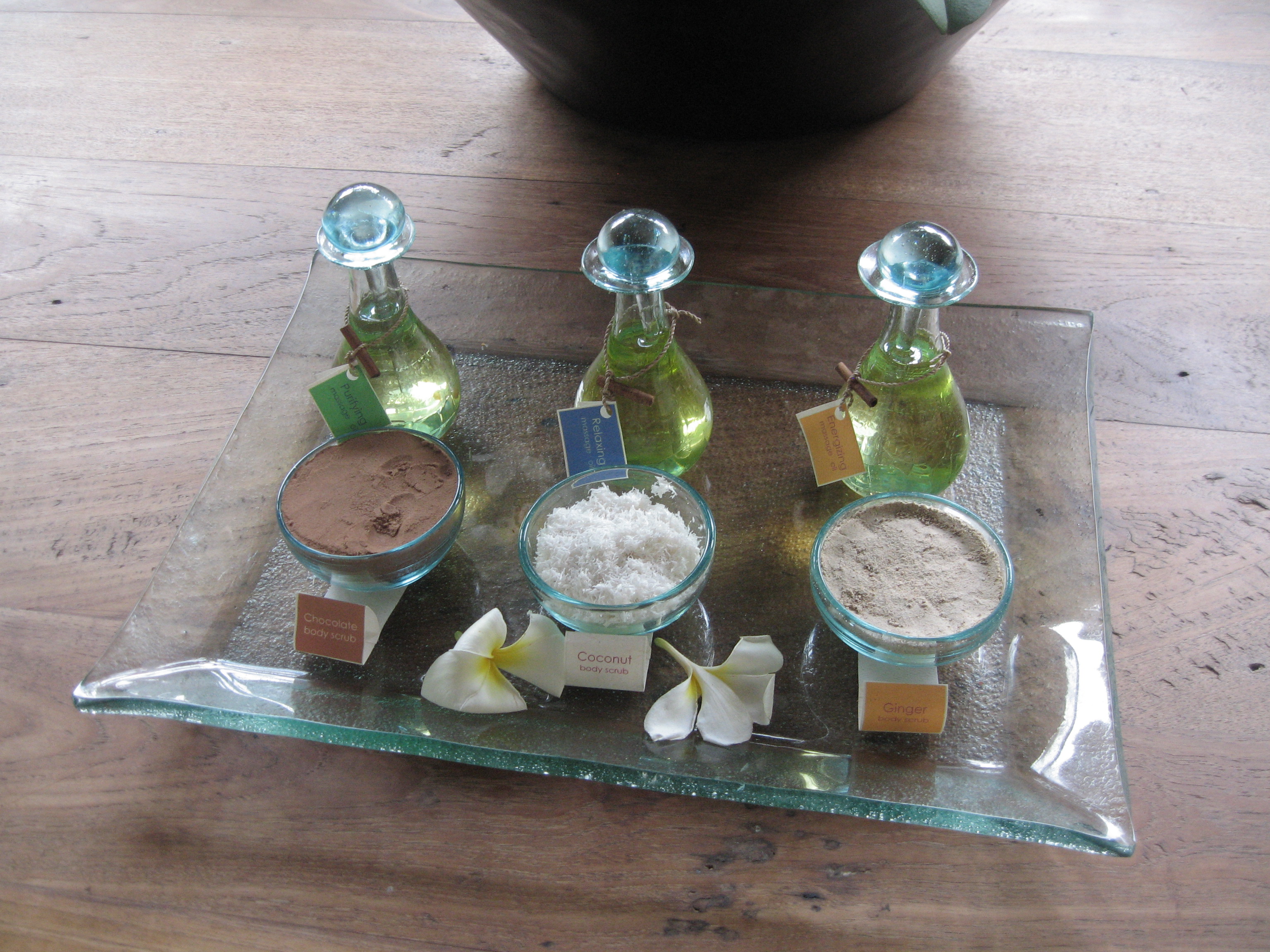
Learn to Craft Your Own Spa Treatments: One of the highlights of our *Premier Spa Indonesia* course is the chance to learn how to create traditional spa treatments from scratch! You’ll dive into the art of mixing yourrecipes using time-honored methods and ingredients, helping you connect deeply with the heritage behind these rituals. Plus, you’ll save money by skipping expensive store-bought products while ensuring top-quality care for your future clients.
You’ll get hands-on experience making iconic treatments like the Javanese Lulur, Balinese Boreh, Bali Spice Scrub, and Bali Kopi Scrub. But that’s not all—you’ll also learn to craft foot scrubs, luxurious bathing rituals, and the classic Indonesian hair cream bath. Imagine offering treatments like a Hibiscus Salt and Sugar Scrub, Coconut Ginger Shred Scrub, Cinnamon, and Clove Foot Wrap, or a Wild Mint and Clove Foot Soak.
To finish off each treatment, you’ll learn to create aromatic mists—Mist #1 blends Blood Orange, Geranium, and Lavender, while Mist #4 combines Green Tea, Ginseng Root, and essential oils for a refreshing finale.
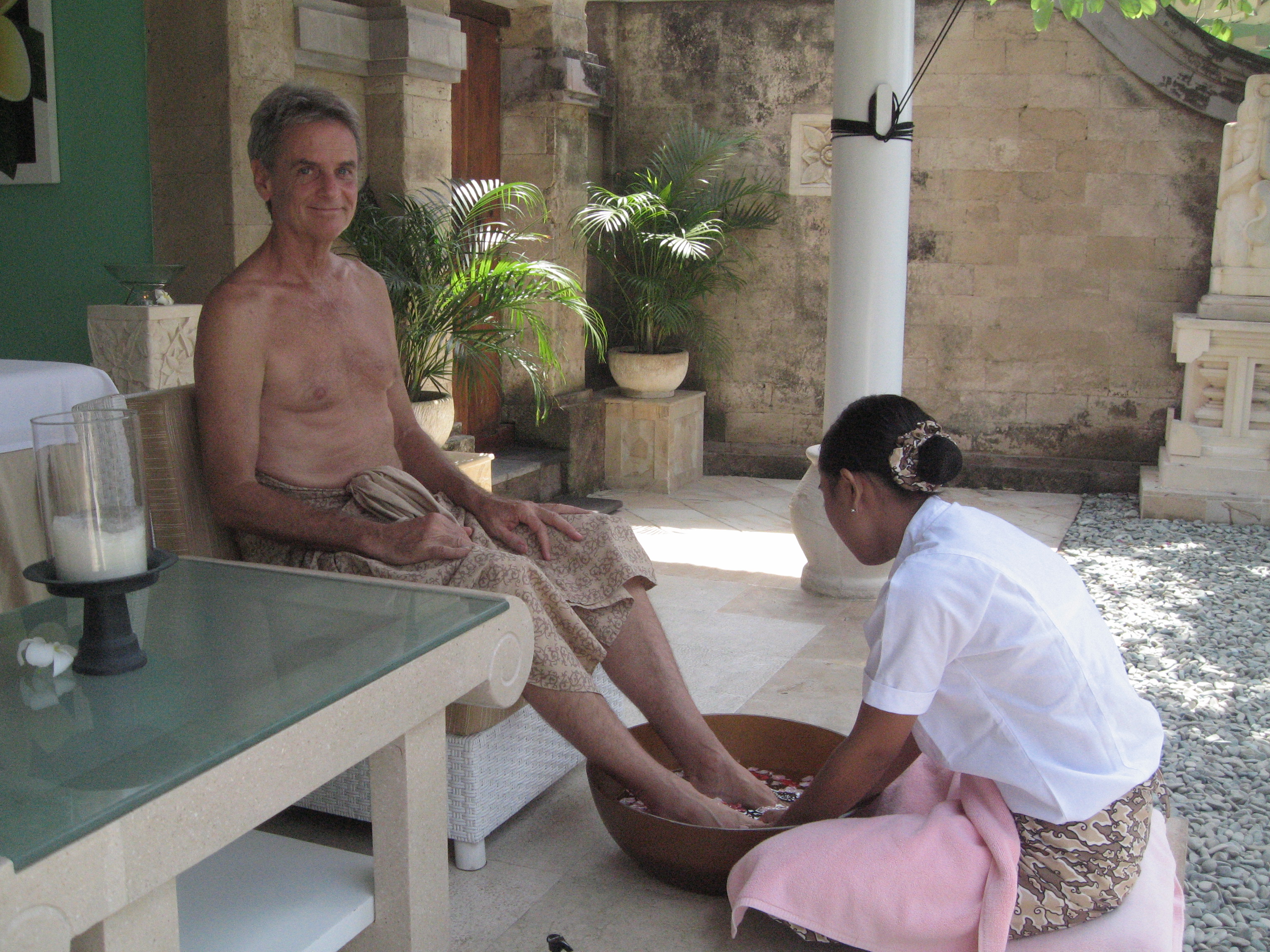
The Bali Spa Experience: “A Complete Roadmap” In this course, you’ll learn how to create an authentic spa experience from start to finish. From booking the appointment to the first moments in the entry room and all the way through to post-treatment refreshments and follow-ups—you’ll be prepared to organize every detail. We’ll also show you how to design layered spa or wellness packages, combining treatments into a luxurious, seamless experience that leaves your clients wholly pampered.
You won’t just learn the practical skills—this course immerses you in Indonesia and Bali’s rich history and culture. Through stories, music, and presentations, you’ll gain a deep understanding of the cultural roots behind these rituals, helping you create a truly authentic Bali-inspired spa experience.
At its core, Body Wisdom’s Premier Spa Indonesia course is more than just a technique—it’s about embracing a holistic approach that weaves together history, culture, and creativity. You’ll walk away with the knowledge and skills to offer your clients a unique, Indonesian-inspired spa experiencerooted in ancient wisdom.
For additional information and to enroll:
Contact G. Kelly M-F 9-5PM at 515-727-4890 or G.Kelley@bodywisdomschool.com
BWS: As the student clinic coordinator, what key things do you focus on to ensure students have a successful and meaningful experience?
Katelyn: For me, the biggest thing is finding what motivates and excites the students. I love watching people grow more confident with their flow; each student is very different. Tuning in to support everyone individually is essential for their continued enjoyment in pursuing success as they see it.
BWS: What do you find most fulfilling about teaching the Therapeutic Massage series at Body Wisdom?
Katelyn: Working with students so early in the program, I can watch them overcome their hesitations while trying something new. They get excited about what they are learning and how much more is yet to be incorporated into the journey ahead. I also get to learn from them. As a perpetual student drawn to massage for the ever-expanding library of knowledge, learning from my students is a gift and a privilege that motivates me.
BWS: How does the student clinic benefit the students and the local community, and what are your favorite moments from working with the public through the clinic?
Katelyn: The clinic is crucial for students to grow their confidence and refine their practice. Likewise, it benefits the community as we can provide affordable services. I love interacting with clients who are radiant with gratitude and excited to rebook with that student before they graduate or follow that student as they get licensed. One of my weekly clients has been with me since my time at the student clinic.
BWS: Your work with MS Moments sounds incredibly rewarding. Can you tell us more about that partnership and how massage therapy supports individuals with MS?
Katelyn: MS Moments is a non-profit organization founded in Des Moines. One of the many services they offer to those they support is messages. They provide for approximately 240 families but have recently had to halt services for the rest of the year due to hardship. Being blessed as I am to have extraordinary clients and offering to match any donations, we raised enough money in a single week for me to continue supporting all my MS Moments people until the organization makes its anticipated return in early 2025. I have been working with most of these clients for over a year. It was difficult news to hear that we might have to halt services. They are all unique, but the common factor is their appreciation for having a massage as an assistive service and for its relief and solidarity.
BWS: You also work alongside other Body Wisdom graduates in a 3-room office with 5 therapists. How does that community impact your daily practice, and what’s it like collaborating with fellow alumni?
Katelyn: After graduation, I sought a space to rent a room and start my practice. Over time, I rented out with two therapists who did not attend Body Wisdom. The difference was evident in how they approached the profession. They both seemed to be less grounded or refined. They also seemed more interested in how I could help their business than providing the space for me to expand my own. I wanted to create a space where other LMTs starting their practice could have a safe and supportive environment. I am grateful to work with fantastic individuals I already knew and trusted before getting into business together. We all support one another; there is no competition, and we are equals. I was drawn to this profession because of the potential freedom and work-life balance that can be created. I want that same thing for everyone working out of my space. We are empowered to do our own thing and share insights with one another to keep growing within the profession together.
BWS: Teaching at Body Wisdom: How do you ensure your students are well-prepared for their careers after completing the Therapeutic Massage series?
Katelyn: I believe it is vital for students to understand the guidelines of ethics and professionalism. From there, they must really work to create their own vision. They must maintain enthusiasm and ensure that body mechanics are maintained and self-care has a dedicated regimen.
BWS: Outside of massage therapy, gardening is one of your hobbies. How did you get started with that, and how does it help you unwind?
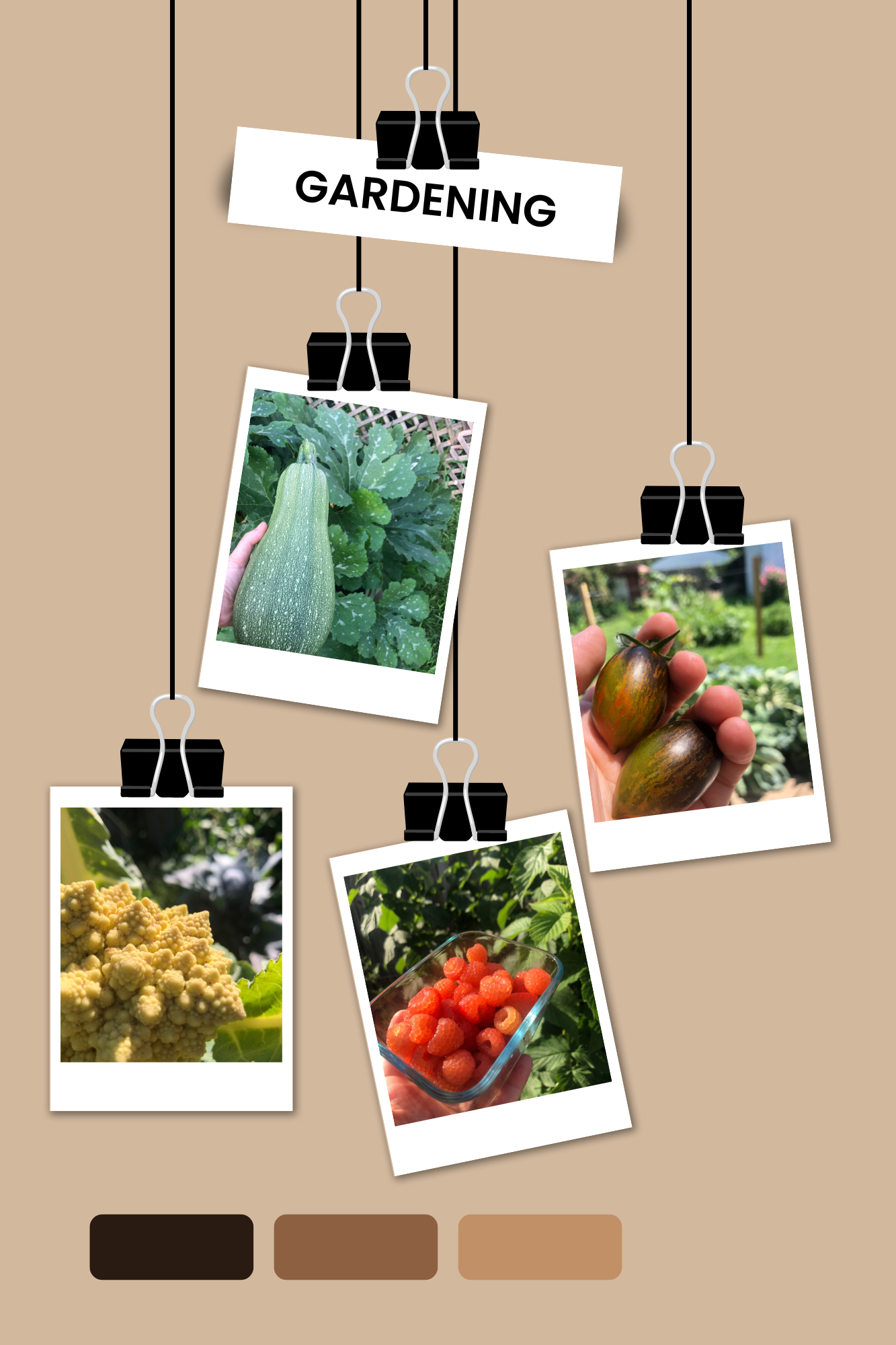
Katelyn: Gardening for me sprouted from a love of being outside and a fascination with watching the world around me provide its own bounty if adequately encouraged. My grandmother had a garden when I was very young before she and my grandfather moved to Arizona. My memories are vague, but what stands out is how happy she was tending to it and the pride she exuded when taking others through it to see what was thriving. I also credit my love for food with pushing me to start gardening; 95% of what I grow is edible. I served in the food industry for over a decade and worked for local companies that took great care to source from the community. Again, it comes back to empowerment; I try to cultivate that in myself so to lead by example and find others looking to do the same.
BWS: Do you find any similarities between gardening and massage therapy regarding the care and nurturing involved?
Katelyn: Intention, patience, and diligence run deep in both! Education and collaboration are indispensable.
BWS: What do you enjoy most about balancing your teaching, clinical, and personal life, and how do you stay grounded amidst everything?
Katelyn: Serving others fuels me to continue going and growing. My first interest in massage was self-empowerment, knowing my body well to maintain it better. The next step was to share that with clients. Getting to work with students brings it full circle for me. I learn from my clients and my students. Those lessons keep gratitude as a guiding factor for me. Feeling like peace and abundance allows me to dedicate time to home life, where I can stay grounded with a blend of solitude and intimate pack life. That adds balance to how social my practice and work for the clinic have made me.
BWS: Is there a particular massage technique or tool you’ve discovered through your work or teaching that you find incredibly impactful?
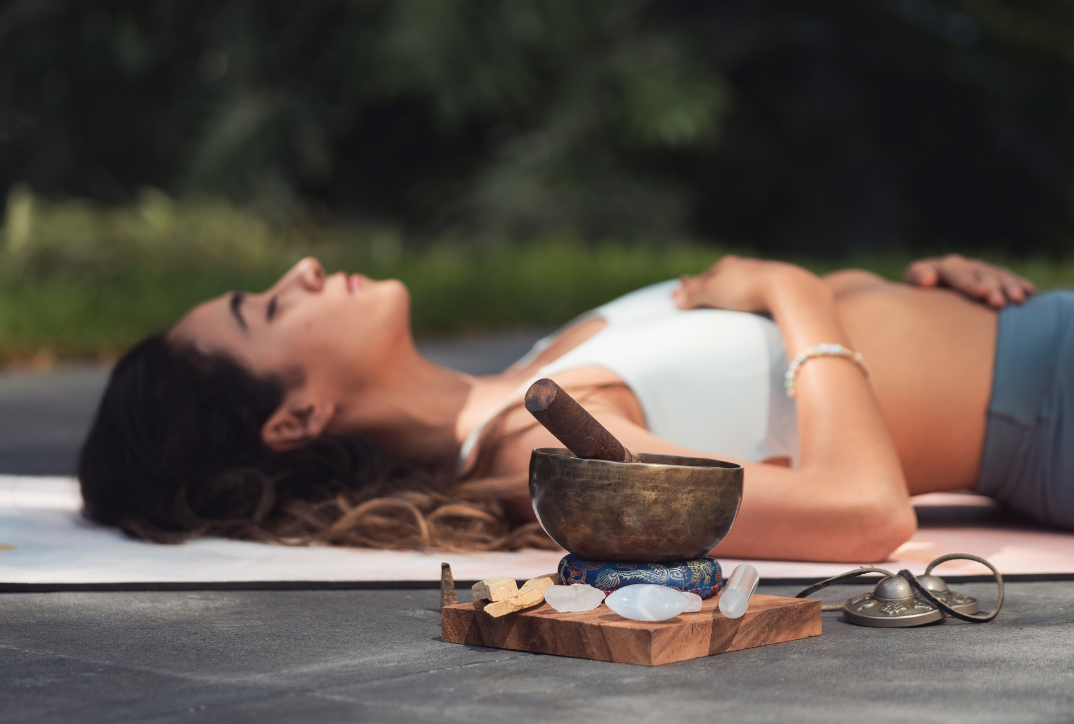
Katelyn: Myofascial Release is gentle and can still make the most significant impact. That speaks to me personally and spiritually, so using it professionally makes things shine. Also, weighted tuning forks are a favorite for self-care and select clients.
BWS: Looking Forward: What are you most excited about in your role at Body Wisdom in the coming year, whether in the classroom or the student clinic?
Katelyn: I’m excited to continue refining the materials we present to students. There is room for growth each time the classes are taught, and the students help us find that new angle. I love collaborating with colleagues, students, and CE classmates.
BWS: How do you see the field of massage therapy evolving, and what role do you hope Body Wisdom plays in that future?
Katelyn: I see the potential for brand-new and advanced modalities. Classes like Instrument Assisted Soft Tissue Mobilization and Death Doula Certification are exciting growth for the school and the industry. Schools like Body Wisdom also create the standard of elevated professional care massage can provide. So much has happened in the last 50 years; the next 10-20 years promise to be just as evolutionary if we come together with that goal. I’m here to keep raising the standard of what the public can expect from Massage Therapists within the greater healthcare spectrum.
Katelyn, thanks so much for sitting down with us today.
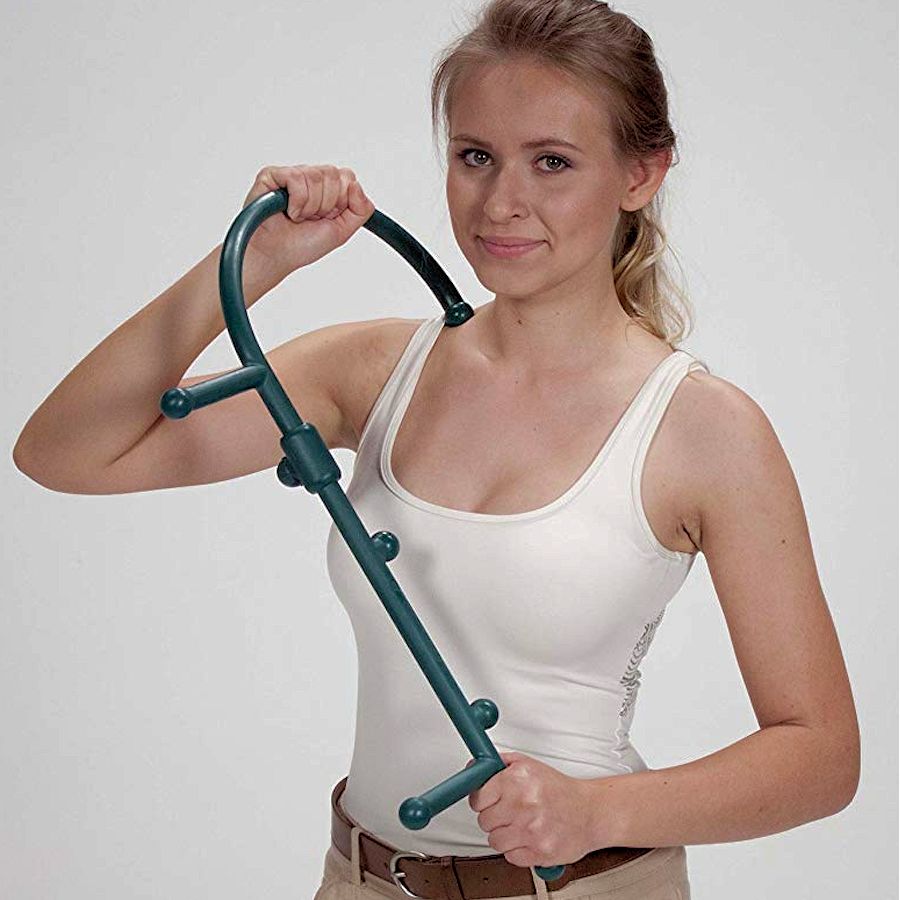
The new Theracane MAX takes everything great about the original Theracane and makes it even better.
One of the most significant upgrades is its new breakdown design, which makes it incredibly easy to pack and travel with—perfect for those who need pain relief on the go. Whether heading to the office, the gym, or traveling for work, the Thera Cane MAX fits easily into any bag.
Another fantastic addition is the companion DVD, which provides guided instructions on how to use the tool effectively. This makes it even more user-friendly for those new to self-massage or anyone wanting to maximize its benefits.
The DVD helps you target specific muscle groups and use the Thera Cane MAX for deep, penetrating relief, especially after overexertion.
With its sturdy design, ease of travel, and helpful new features, the Thera Cane MAX remains one of the best tools for independent pain management and muscle recovery. If you loved the original, this upgrade is definitely worth considering!
BWS:Nancy, to help everyone get to know you better, could you share some of your favorite hobbies and how you like to relax? Nancy: Well, I’ve played the piano since I was 7. It’s always been my main hobby and stress reliever, and it helped strengthen my fingers for massage!
BWS: So, what initially attracted you to massage therapy? Nancy: I’ve always enjoyed helping people in any way I can. When I was finishing high school, I worked as a receptionist for a chiropractor in my hometown. She, along with other friends of mine, pointed me in the direction of massage therapy.
BWS: Tell us how you heard about Body Wisdom Massage School? Nancy: The massage therapists I talked to from my area had gone to Body Wisdom and highly recommended the school. I decided to go with Body Wisdom to continue working in my hometown as I made the hour-and-a-half commute for my evening and weekend classes.
BWS: Wow, an hour and a half commute? Now that’s dedication, Nancy! We were thrilled to have you at Body Wisdom. Not many students can say they have a 100% attendance record—especially with such a long commute. That’s truly impressive!
BWS:Were there factors that influenced your decision to enroll at Body Wisdom over other massage schools? Nancy: I enjoyed the uniqueness of the classes and the opportunity to choose them based on the skills I wanted to take home to set up my practice.
BWS:Can you share some of your favorite classes or techniques you learned at Body Wisdom? Nancy: Some of my favorite classes and techniques I learned were deep tissue, myofascial release, prenatal, and orthopedic/clinical sports. I chose these classes because I knew the clientele I wanted to work with once I started my practice.
BWS:What was the most challenging aspect of the program, and how did you overcome it? Nancy: One of the challenges I faced in the program was learning to alter my massage for my clients. I’m more apt to apply deeper pressure and do a more focused massage, and learning to lighten up for clients looking more for a relaxation, full-body massage was difficult at first. However, I feel I’ve come a long way with the clinic hours I did in school and the hours I’ve put in since starting my business.
BWS:What motivated you to set up your practice in Leon, a town of only 1800? Nancy: Before I started school, I knew I wanted to set up practice back in my hometown. I was born and raised in the Leon area and have always enjoyed the small-town environment.
BWS:How do you think the small-town environment will influence your practice? Nancy: Most of my clientele are through word of mouth, which is a tremendous asset when working in a small town.
BWS:What are your short-term and long-term goals for your practice? Nancy: My short-term and long-term vision is the same: to use my business to help the people of this community as much as possible. I hope to raise awareness of self-care in this community and show people that massage isn’t just a “feel good” day at the spa for the wife type thing, but it’s beneficial and sometimes necessary for anyone and everyone. Massage is so good for you, not only for your body to be healthy but also for your mindset and emotions. I know a lot of people overlook some of these benefits.
BWS:How are you marketing your practice to attract clients in Leon? Nancy: As for marketing, I have a Facebook and Instagram page, along with getting an ad in the local newspaper and handing out many business cards, but the most effective form of marketing I find here is word of mouth. I’ve also worked with local businesses and donated massage certificates for local fundraisers.
BWS:What advice would you give to other recent graduates looking to market their massage practices effectively? Nancy: My advice for marketing is to not be afraid to lose a little in the beginning, donate certificates, offer half-off deals, or do whatever works in your area. When I first started, I partnered with a local esthetician, and we put together a Mother’s Day special, which helped a lot in getting my name out there, so be sure to take any and every opportunity you can!
BWS:Thanks so much for sharing your massage journey. Of course, everyone at Body Wisdom wishes you success in your massage business. Nancy: Wishing all my fellow Body Wisdom Grads and Students the best.
BWS: What was your background before choosing massage therapy as a career? Tyler: I graduated from Iowa State University with a degree in Advertising back in 2014 and ended up spending 8 or so years trying to connect brands to the masses. Feeling some massive burnout, I searched for alternatives. Receiving massage has always been my favorite form of touch, and I thought, “What if I could provide that?” After my first meeting with Body Wisdom, the universe has consistently pushed me in this direction, and I’ll continue to follow it until it tells me otherwise.
BWS: Any favorite classes? Teachers? Tyler: Jillian Peet and Matt Johnson have been incredibly instrumental in my knowledge, training, touch, and perception, encapsulating all things massage, life, and beyond. I owe a great deal to each of these instructors and encourage anyone to seek out any of the courses they are associated with. Better yet, book time with them on their table!
Honorable Mentions—Though some of the elective classes are shorter, they often leave a lasting impact. I would like to mention Dianna Berry and Sadie Hefel for providing a safe place to be creative and encouraging growth in those around them. The short time I’ve learned from these two (among numerous others at Body Wisdom) has been uplifting and fruitful.
BWS: On a different note, do you have any interesting hobbies or passions? Tyler: I’m an avid golfer and have been a musician for about 20 years. I love writing and producing new music for my band or other artists.
BWS: What track have you been pursuing, and why did you choose that/those track/s? Tyler: Myofascial and Orthopedic, with some therapeutic and deep tissue techniques interwoven. I like to provide a nurturing touch, while still being able to identify and feel how a client’s body is reacting to stressors.
BWS: Can you describe your vision for your massage therapy practice? Tyler: Simply put, it is a place to grow, learn, and heal.
BWS: What are the core values that will define your practice? Tyler: Active Listening, Strong Comprehensive Goals, Clear Communication
BWS: How do you plan to differentiate your practice from others in your area? Tyler: I envision my practice as a place where people look forward to visiting, growing, and learning together.
BWS: What types of massage techniques or specialties do you want to focus on in your practice? Tyler: Myofascial Release, Deep Tissue, Therapeutic
BWS: How do you envision building relationships with your clients? Tyler: Through honest and fun rapport.
BWS: What kind of atmosphere do you want to create in your practice? Tyler: Safe, fun, healing, calming.
BWS: How do you plan to incorporate continuing education and professional development into your career? Tyler: I have so many classes that have piqued my interest offered at Body Wisdom, hearing how my peers loved their experience, that will keep me coming back to Body Wisdom for some of my continuing education. I also want to explore John F. Barnes’ courses and other myofascial-focused therapists.
BWS: What are your goals for the first year of your practice? Tyler: In the first year of my practice, my main goals are to stay healthy and care for myself while exploring my abilities and techniques.
BWS: How do you see your practice evolving over the next five years? Tyler: I’d love to see myself continuing to help people accomplish their goals through massage and bodywork. As I gain practice and further instruction in certain modalities, I’m excited to see what skills and knowledge I’ll acquire in five years.
BWS: How would you structure your appointments and breaks throughout the day? Tyler: Typically, I schedule at least 30 minutes between sessions. Sometimes, an hour is nice after particularly demanding or longer sessions.
BWS: What specific outcomes would you hope to achieve for your clients during their sessions? Tyler: Pain relief, longevity, reaching shared goals.
BWS: How would you ensure each client leaves feeling satisfied and valued? Tyler: Checking in with clients on expectations before the bodywork begins has been crucial to finding the sweet spot for some people. Suppose a client’s neck is really bothering them. In that case, I want them to feel relief locally and instill some longer-lasting ideals about longevity and reasons to work outside of that localized area.
BWS: What kind of interactions do you hope to have with your clients? Tyler: Fun, educational, and therapeutic.
BWS: How do you plan to balance your workload to maintain your own well-being and avoid burnout? Tyler: This industry is filled with unique and skilled individuals, so I plan on expanding my network of peers who practice all kinds of bodywork modalities. Receiving consistent massages within this network will be crucial to adding new ideas and perspectives to my toolbox.
BWS: What feedback would you hope to receive from clients at the end of the day? Tyler: How do they feel? Did they learn anything about themselves during the session or have any questions before the next visit?
BWS: How would you wind down and reflect on a successful day at your practice? Tyler: Walks with my dog, Marv, are always in order! Reflecting on SOAP notes from the day helps me create a story for the client, how they communicated their original requests, and maybe where that led to work being done during the session. I like reflecting on each session, and scheduling time between sessions helps with processing immensely!
BWS: Based on your experience as a student, what advice would you give to someone considering a career in massage? Tyler: Anyone who loves massage, bodywork, or any modality related to massage therapy would be a great addition to the network. Inquisitive minds and lifelong learners are incredible assets to this industry.
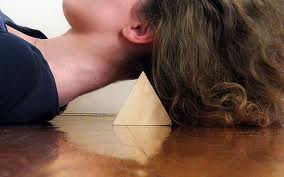
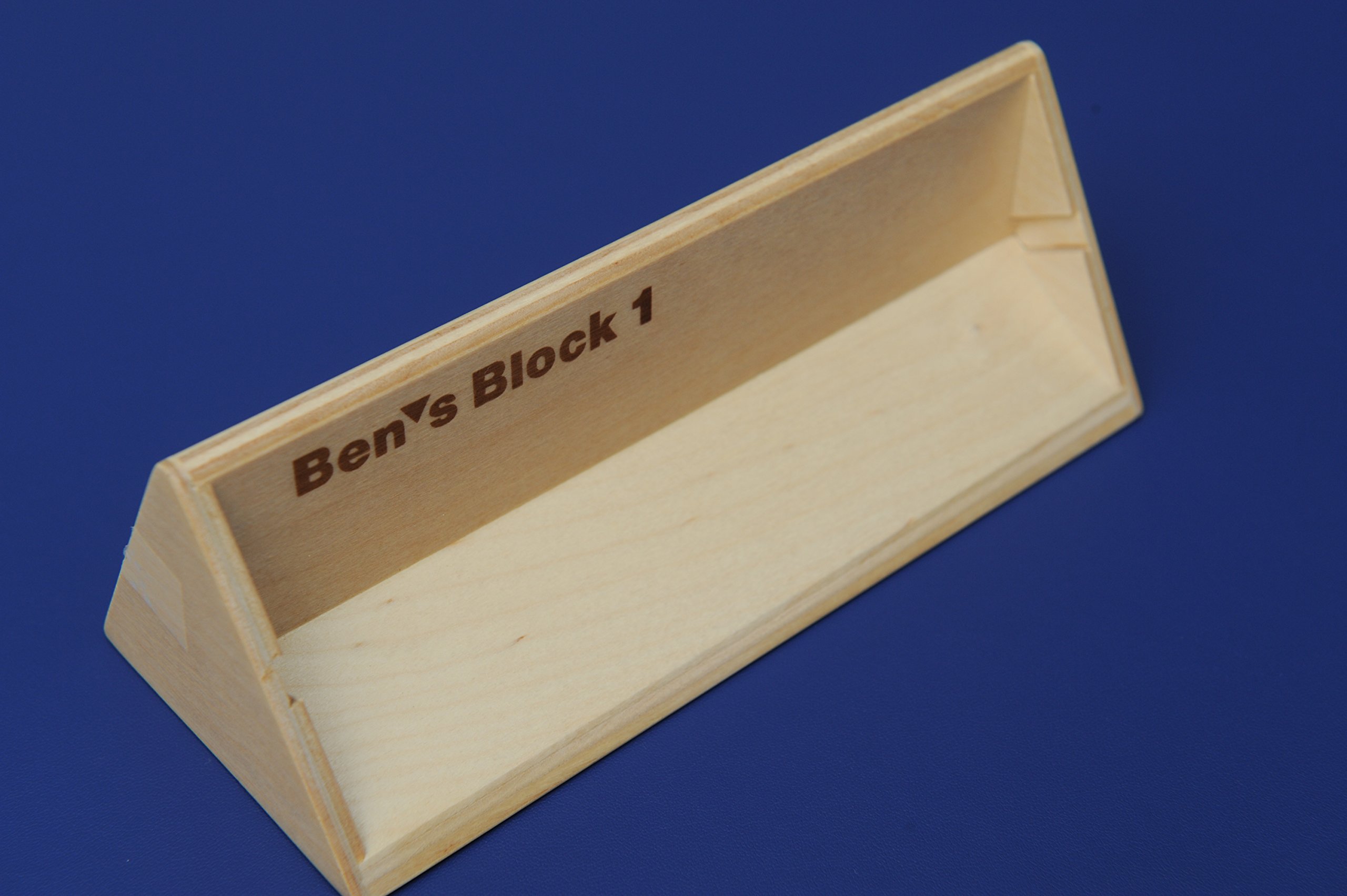
Ben’s Block Neck Relaxer, designed by the esteemed massage therapist Dr. Ben Benjamin, is a specialized tool that alleviates neck tension by targeting trigger points in the cervical region. This innovative product addresses the root causes of trigger point-activated headaches, providing significant relief and enhancing overall well-being.
Description from Ben Benjamin’s Website: Ben’s Block Neck Relaxer is crafted to provide precise pressure to the back of the neck, focusing on the key areas where trigger points commonly develop. This tool helps to release muscle knots, improve blood circulation, and reduce the tension that often leads to headaches. Regular use can aid in maintaining neck health and preventing the recurrence of pain and discomfort.”
Benefits of Reducing Trigger Points in the Neck
Relief from Trigger Point-Activated Headaches:
Trigger points, or muscle knots, in the neck can refer to pain in the head, often resulting in tension headaches or migraines. The Neck Relaxer effectively targets these trigger points, releasing the tightness and alleviating headache symptoms.
Improved Blood Circulation:
The Neck Relaxer enhances blood flow to the neck and head by reducing muscle tension. Improved circulation helps to deliver oxygen and nutrients to the affected areas, promoting healing and reducing headache frequency and intensity.
Enhanced Muscle Relaxation:
The tool’s design allows for gentle yet effective pressure application, encouraging deep muscle relaxation. This can reduce overall tension and decrease the occurrence of stress-induced headaches.
Better Posture and Alignment:
Regular use of the Neck Relaxer can help improve neck posture and alignment. Poor posture is a common contributor to the development of trigger points and related headaches. By maintaining proper alignment, the tool helps prevent the formation of new trigger points.
Stress Reduction:
Alleviating neck tension contributes to a broader sense of relaxation and well-being. Reduced stress levels can decrease the likelihood of tension headaches, creating a positive feedback loop for overall health.
How It Helps Relieve Headache Sources Trigger points in the neck muscles, particularly in the upper trapezius, levator scapulae, and suboccipital muscles, can refer to pain in the head. This referred pain often mimics the symptoms of tension headaches or migraines. The Ben’s Block Neck Relaxer addresses these issues by:
Releasing Muscle Knots: Applying targeted pressure to trigger points helps to break down muscle knots and adhesions. This release alleviates the tension that contributes to referred pain in the head.
Reducing Muscle Tightness: The neck Relaxer diminishes the tightness that often leads to headaches by relaxing the neck muscles. This relaxation helps to ease the overall burden on the neck and head.
Promoting Relaxation: The tool’s gentle pressure and ergonomic design encourage relaxation, reducing stress and its associated symptoms, including headaches.
Conclusion Ben’s Block Neck Relaxer is powerful for anyone suffering from neck tension and trigger point-activated headaches. Its thoughtful design and targeted approach make it highly effective in reducing muscle tension, improving blood circulation, and relieving headache symptoms. Regular use of the Neck Relaxer can lead to sustained neck health, better posture, and a significant reduction in headache frequency and intensity, offering a holistic solution to a common and often debilitating problem.
BWS: Can you tell us a bit about your background and how you became involved with Body Wisdom Massage School?
A: I started in the restaurant business about 17 years ago and trained as a professional chef in New York City. I worked in restaurants and other establishments for a personal chef company in Des Moines. I had a client who lived off 54th St. One day when I was driving to their house going up 86th St, I looked over. I saw the sign “Body Wisdom Massage Therapy School.” This was significant because, over the six months before that, multiple people had told me I needed to go to massage therapy school just out of the blue. Well, I can take a hint from the Universe and the next person, so I did a little research about Body Wisdom, and on December 22nd, I popped in on my lunch break and talked to G for about half an hour. She gave me all the information and was very kind, and I said I needed to make sure I could manage it financially and I would get in touch when I had my ducks in a row. I left, and she never expected to see me again. 3 months later, I had things sorted out, I called the school and made arrangements to sign up, and on March 22nd, I started classes. I went to school at night, worked full-time during the day, and made it work. It was an excellent learning, growing, and expanding experience, as my personal experiences with bodywork were pretty limited at that time. I met some charming people in the different courses I took, and all of the teachers I experienced were highly skilled, passionate professional therapists who did their very best to instill their experience and knowledge in their students.
I’ve been a full-time therapist since April 2017, and then in 2019, Ali reached out and asked if I’d be interested in teaching, as my name had come up a couple of times. After training with Adam(the prior instructor), I was honored to be asked. I’ve been teaching Clinical Sports and Orthopedic Massage since 2020 and enjoy it immensely. It’s a very theory-heavy course, but it’s also a lot of fun. I try my very best to teach it in an applied-sciences way, it’s also chock-full of great techniques and we also do a lot of hands-on.
In 2021, I filled in teaching the Myofascial Release class, which I do the most in my practice, and I’ll be returning to teach that course again this November(2024) and into the foreseeable future. I love Myofascial Release; it’s a potent technique that applies to almost every client. In my experience, the fascial system is an undertreated aspect of human physiology, and it’s amazing how much benefit the client can receive when someone finally treats the right thing. I also find the principles of the technique itself to carry over into other areas of one’s life, if you want them to, and it’s a very transforming technique to learn and practice.
Last summer, Ali asked me if I would be interested in helping to develop and then teaching a course on Instrument Assisted Soft Tissue Mobilization(IASTM). I agreed, even though I’d never really been that interested in using tools in massage, per se. I trained with Hot & Cold Stones and Bamboo with Dianna Berry, but that was about the extent of it. However, I try to be open-minded about everything, and I’m always up for something new. I also thought it would dovetail in nicely with Orthopedic and Myofascial Release since there are aspects of both in IASTM.
BWS: For those who are unfamiliar with IASTM, can you explain it and how it differs from other massage techniques?
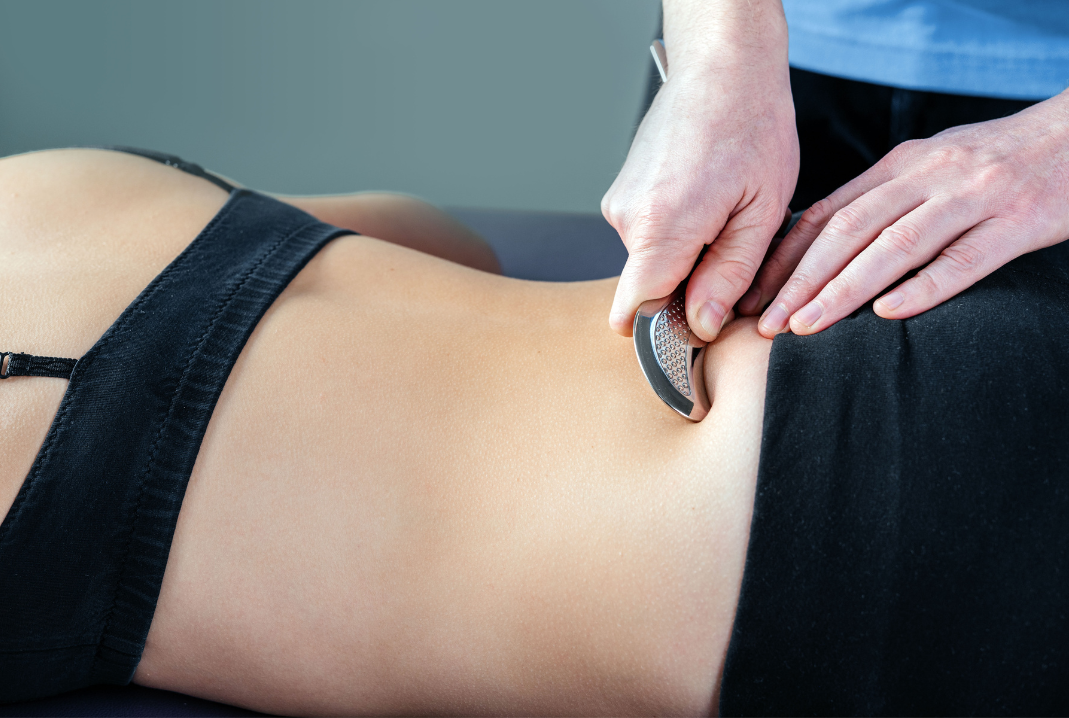
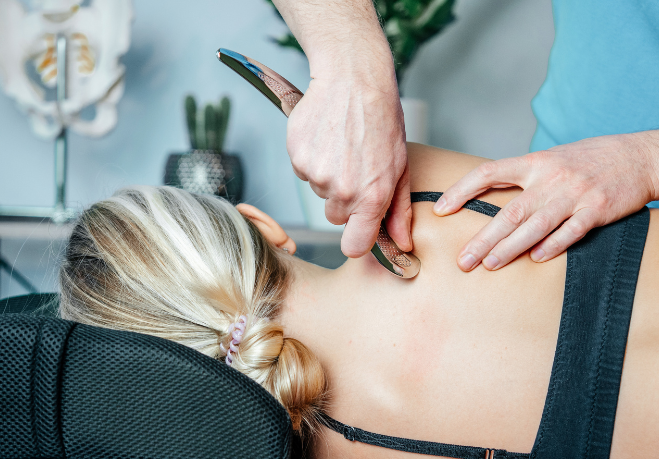
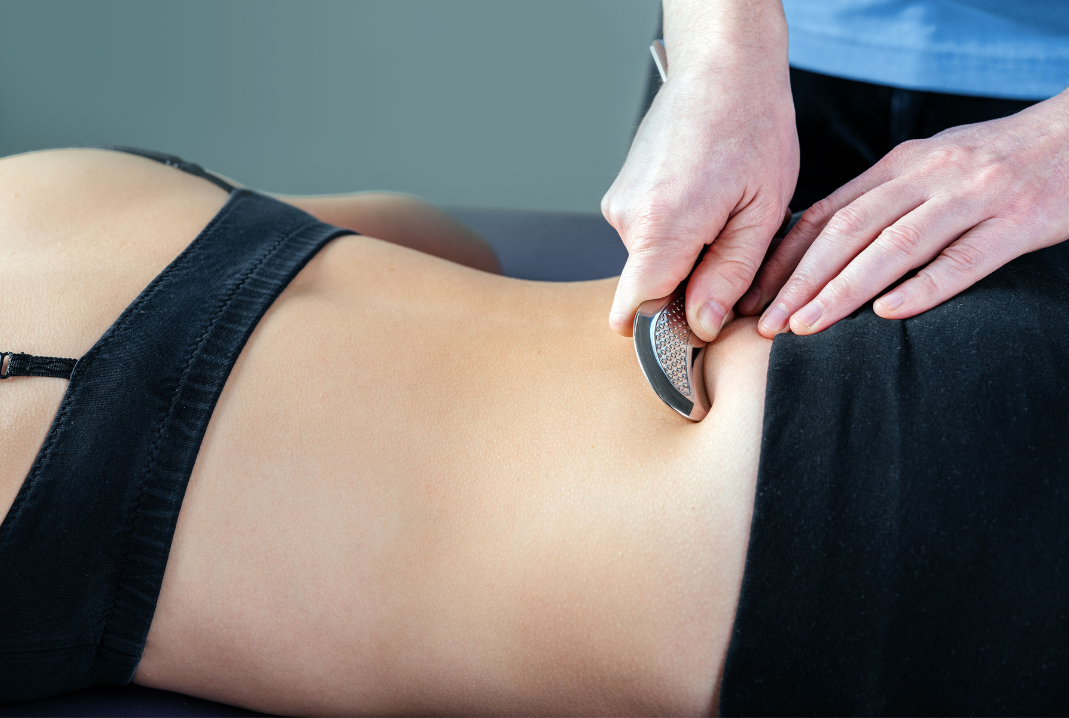
Jillian: It’s essentially what the acronym says, ”Instrument Assisted Soft Tissue Mobilization.” Stainless steel tools are applied to the body in specific ways, with variations in scraping and pressing motions mostly, to mobilize and open the body’s soft tissues, including muscles, tendons, subcutaneous layers, and fascia. Its main difference from the more traditional hands-on techniques therapists are familiar with is the use of stainless steel tools. It’s an excellent technique for saving the therapist’s hands and body because the tool creates some of the pressure and increases the mechanical leverage produced. More effect for the client with less physical work for the therapist, which most therapists will agree is good if you want a long, effective, and pleasant career for yourself. It also provides great feedback on the state of the client’s tissues and, in some ways, is more sensitive even than manual tissue palpation when you get used to it.
BWS: What are some of the critical benefits of IASTM for clients?
Jillian: For the client, it produces quite a pain-relieving effect in soft tissue, particularly connective tissue, much more quickly than other techniques seem to. There are also considerable circulatory effects in releasing stagnation in the tissues, opening space around structures, and decompressing joints, which is very effective and beneficial for the client. There also seem to be some positive effects on bio-energy circulation and transfer. For the practitioner, it’s a great way to release tissues that have resisted other bodywork methods, mainly if you use it as an opening, finishing, or adjunct technique to different types of bodywork.
BWS: Can you share a success story or a particularly memorable experience you’ve had using IASTM?
Jillian: The most memorable experience I’ve had with IASTM was actually from treating myself. I’ve had some trouble off and on for the last 10 years or so, with my left Serratus Anterior muscle locking up and putting pressure on my Long Thoracic Nerve. It is tiresome, to say the least since it locks up my shoulder and makes my neck and hand uncomfortable. I picked up my boomerang tool in a fit of pique and decided, “What the heck! Let’s try this sucker out and see if I can get SOMETHING moving!” So I scraped the dickens out of my left rib cage, up into my axilla, and down my left arm. I could tell something happened afterward, and since it felt beneficial, I went to bed. When I woke up the next day, and by the time I went to work that afternoon, the pain and pressure in my torso, shoulder, hand, and neck were gone. I have had no trouble with it since then, probably 8 or 9 months ago. It’s a good technique.
BWS: How do you envision incorporating IASTM into your practice, and for what clients or conditions do you find most effective?
Jillian: I like to use it as an adjunct technique for my more athletic clientele and a speed-up-the-process technique with my Myofascial Release clients, as it provides me with another way into the client’s tissues. I find it’s well worth taking the 5 minutes to treat a problem area with IASTM, create some space in the tissue matrix and relieve symptoms to an extent, then go in and treat deeper and slower with Myofascial Release or other techniques to give the client a more lasting result and/or take us down to the next layer of their tissue dysfunction. I also find it blends beautifully with Thai massage and Acupressure since the type of tissue mobilization positively affects the conductivity of meridians/sen lines in the body and makes pressure point techniques more effective. It’s also great for chronic connective dysfunction, plantar and palmar surface issues, etc. I also self-treat a lot with it. I’ve had some tibial torsion in my right lower leg, and I’ve noticed that I can improve the tracking of my right patella and leg stride when I treat myself with IASTM. I hope to eventually resolve the issue entirely and save my knee and ankle much trouble and pain further down the line.
BWS: How do you see students who complete your IASTM course using this modality in their practices?
Jillian: Frequently, I hope. All kidding aside, it’s an excellent technique for clients with all sorts of issues. You can do this on anybody if the skin integrity is excellent and appropriate precautions are utilized. I hope that even if it takes some time to feel entirely comfortable with the tools, students who complete the course will at least self-treat, as the self-treatment aspects cannot be overemphasized. It’s a great way to get the feel of the tools if you need to get more comfortable treating clients, minimize injury by keeping your tissues open, speed recovery if you do get injured, and generally keep yourself feeling great as a therapist so you can provide outstanding care and assist your clients in their journeys.
BWS: Are there any particular tips or advice you would give students new to IASTM who want to integrate it into their services?
Jillian: Work on yourself. “Don’t do anything to anyone you haven’t experienced or don’t do to yourself.” AND “Let the tool do the work, so less is more in terms of pressure and time in a specific area. “
BWS: How do you see the field of massage therapy evolving with the integration of modalities like IASTM?
Jillian: I hope to see more mainstream integration of massage therapy and manual bodywork within Physical Therapy and conventional Western Medicine. Hands-on therapies are not valued by Western Medicine in the way that they could, or should, be, exceptionally since even if we cannot “fix” the problem, we can generally provide some symptom relief, and we don’t harm or injure that is not something that most aspects of conventional medicine and therapy can say. I hope that the adoption of IASTM and other more medically perceived therapies opens the door for a wider acceptance of qualified bodyworkers to operate more in the beginning stages of assessment, care, and treatment rather than the “when everything else has failed, and now I’m so desperate for relief I’ll try anything” stage which is when we typically see people. Speaking for myself, I can do a lot more for the client if I can catch them in the first stages of their dysfunction before they’ve developed tons of compensation patterns, fascial bracing, habitually held pain, etc.
BWS: What are your hopes for the future of IASTM and its impact on the massage therapy community?
Jillian: I hope the technique becomes more widely known in the community of hands-on therapists for its effective technique. I freely admit to having been a bit of a skeptic, maybe a prominent skeptic, about how good a tool-based modality could actually be. It turns out it is pretty darn good and effective. I also hope that therapists understand the need to get properly trained in a modality before offering it because incomplete information is, at best, unhelpful to the client and, at worst, could be physically injurious. Incomplete information or training is also harmful to the reputation of a technique. It puts people off receiving something that could make a massive difference in their state of health and being. Whatever modality you are using, please get the proper education, understand why you’re doing whatever you’re doing, and thoroughly understand any health and safety considerations for the sake of the client, your practice, and yourself.
BWS: Is there anything else you’d like to share about IASTM, your teaching approach, or your experiences at Body Wisdom Massage School?
Jillian: I’d like to say that I’m always honored to teach a class of whatever modality. I truly enjoy meeting students at Body Wisdom and being part of their journey. My goal is always to provide and facilitate the type of experience I was privileged to enjoy as a student at Body Wisdom, and I’m grateful to Ali for allowing me to be part of that.
Also, I am so grateful for a piece of advice I got when I was just starting out in the world: “You’ll know you’re in the right job if you like what you do so much that you would do it for free.” I can honestly say that that’s entirely true. I like what I do so much that I’d do it for nothing.
I hope the students who come through Body Wisdom enter their practices feeling that same way and stay feeling that way. If my fellow teachers and I do our jobs properly, they will have a better chance of attaining that goal.
Best of luck to all my fellow massage therapists,
IASTM 16-hr CE Course Oct 7-8, 2024 Please reserve your spot now and join us on this transformative journey! Contact G. Kelly M-F 9-5PM at 515-727-4890 or G.Kelley@bodywisdomschool.com
As massage therapists, we constantly seek ways to enhance our practice, improve client outcomes, and broaden our skill sets. One powerful tool gaining traction in the therapeutic world is Instrument Assisted Soft Tissue Mobilization (IASTM).
I became aware of this technique in January 2019 from an article in Massage Magazine, but it was only after I saw my body’s fantastic results that I took notice! When I could completely cure my Plantar Fasciitis in only three self-applied treatments, I knew we had to bring this modality to Body Wisdom Massage School students and grads. We are the first massage school in the USA to teach IASTM, and our first 16-hour IASTM CE Course will be held in early October. If you haven’t yet explored this technique, now might be the perfect time to consider how it can complement your existing massage therapy practice.
What is IASTM: IASTM stands for Instrument Assisted Soft Tissue Mobilization. This technique involves using specialized tools to detect and treat fascial restrictions, adhesions, and scar tissue within the body’s soft tissues. The tools, typically made of stainless steel, are designed to help the therapist apply targeted pressure and mobilization to specific areas, enhancing the effectiveness of the treatment.
The Benefits of IASTM: Incorporating IASTM into your massage therapy practice offers numerous benefits, both for you as a therapist and for your clients:
1. Enhanced Precision and Efficiency: The tools used in IASTM allow for more precise assessment and targeting of problematic areas. This means you can work more efficiently, potentially reducing the physical strain on your hands and body. The scanning and assessment strokes with IASTM tools are thought to be over 30X more sensitive than palpating with your hands, similar to when a doctor uses a stethoscope to amplify the feedback from the body. During the assessment, the therapist and the client can feel the abnormal gritty, sand-like, restrictive collagen fibers vibrating through the IASTM instrument.
2. Improved Client Outcomes: IASTM has been shown to help treat chronic conditions such as tendinitis, plantar fasciitis, and IT band syndrome. By breaking down scar tissue and fascial restrictions, clients often experience quicker and more sustained relief from pain and improved range of motion. In my experience, the results can be very dramatic!
3. Versatility: IASTM can be integrated with various massage techniques, including deep tissue, sports massage, and even gentle relaxation therapies. This versatility allows you to tailor treatments to each client’s specific needs.
4. Professional Growth: Learning and mastering IASTM can set you apart in a competitive field. It demonstrates your commitment to professional development and willingness to adopt innovative methods to enhance client care.
How IASTM Works:
The process of IASTM involves several key steps:
1. Assessment: Before treatment begins, a thorough assessment is conducted to identify areas of restriction or dysfunction. This can involve both visual and palpation/scanning techniques with IASTM tools.
2. Application: Using the IASTM tools, the therapist applies controlled pressure to the superficial fascia of the affected tissues. This helps to break up the disorderly collagen matrix between fascial layers, promoting more glide between adjacent structures. IASTM also helps initiate a healing response by increasing blood flow and stimulating the body’s natural healing processes.
3. Treatment Techniques: IASTM includes various techniques, including sweeping, fanning, brushing, and scooping. Each technique targets different tissue depths and types of restrictions. Most treatments for targeted body areas take only 3-5 minutes, so they’re very efficient and convenient to add to any massage treatment protocol.
4. After Care: Recommendations for stretching and staying hydrated.
Getting Started with IASTM: If you want to incorporate IASTM into your practice, Body Wisdom Massage School has a 16-hour CE Course that will give you the knowledge and tools to get started. IASTM is particularly well suited for therapists doing injury work with their clients. A solid understanding of anatomy and physiology is required and is a prerequisite for Body Wisdom’s IASTM course.
What NOT to do: There are a lot of harmful and even dangerous techniques on display on social media. You don’t want to pick up a spoon, butter knife, or even a legit IASTM tool and start scraping around without proper training and knowledge. I know of immediately eight absolute (red flag) and seven relative (yellow flag) contraindications. With the appropriate training, it’s a powerful and very safe technique. Get trained. Be safe!
IASTM is a valuable addition to any massage therapy practice. By enhancing your ability to treat soft tissue dysfunction and providing clients with improved outcomes, you expand your professional toolkit and demonstrate your commitment to delivering the best possible care. So, why not explore IASTM and see how it can elevate your practice to new heights?
Please reserve your spot now and join us as one of the first Massage Therapists to employ this new technique!
Contact G. Kelly M-F 9-5PM at 515-727-4890 or G.Kelley@bodywisdomschool.com
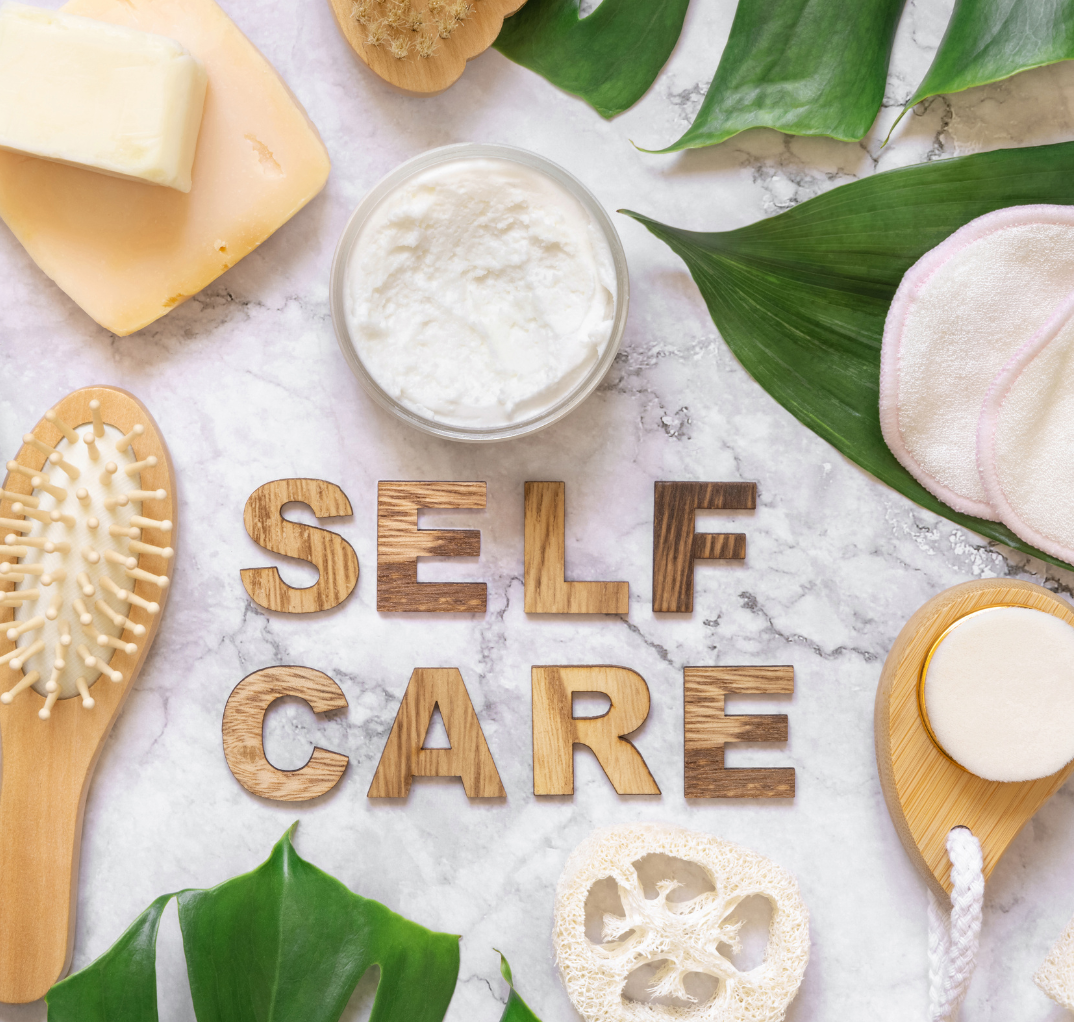
The Importance of Self-Care As a massage therapist, caring for yourself is as vital as caring for your clients. The profession is physically and mentally demanding, requiring a robust self-care regimen to maintain balance and prevent burnout. The dual stress of managing a business or career and the physical exertion of providing massages can be overwhelming. Emphasizing self-care demonstrates your commitment to personal and professional well-being, helping you stay centered and stress-free.
Leading by Example In the wellness industry, you are a beacon of health for your clients. They observe your habits and behaviors, seeking inspiration for their wellness journeys. Imagine the negative impact on your practice if clients see you engaging in unhealthy habits or appearing stressed and frazzled. Self-care enhances your well-being, reinforces your credibility, and sets a positive example for those you serve.
Self-Care: A Pillar of Professional Success Effective self-care is foundational to the success of your massage therapy practice. Poor body mechanics or physical exhaustion can lead to injuries that may significantly disrupt your business. By prioritizing self-care, you ensure your ability to meet the physical demands of your work and maintain a thriving practice. A well-maintained self-care routine empowers you to deliver exceptional service while safeguarding your health.
On-the-Job Wellness: • Body Mechanics: Consistently use proper body mechanics to reduce the risk of injury. Regularly assess and refine your techniques.
• Healthy Nutrition: Fuel your body with nutritious meals and snacks to sustain your energy levels throughout the day. Hydrate adequately to support overall health.
• Scheduled Breaks: Incorporate short, restful breaks into your schedule to relax and recharge. These moments of downtime help mitigate stress and maintain focus.
Off-the-Job Wellness
• Balanced Diet and Exercise: Commit to a balanced diet and regular physical activity. These habits contribute to your overall well-being and physical resilience. Social Connections: Spend quality time with family and friends to foster emotional health and a sense of community.
• Personal Relaxation: Treat yourself to massages and other relaxation therapies. These activities enhance your well-being and provide insights into the client experience.
Comprehensive Self-Care Strategies
1. Regular Exercise: Incorporate activities like yoga, swimming, or strength training to stay fit and prevent injuries.
2. Proper Body Mechanics: Maintain correct posture and techniques during sessions to avoid strain.
3. Stretching: Regular stretching routines keep your muscles flexible and reduce the risk of repetitive strain injuries.
4. Healthy Eating: A nutrient-rich diet supports your energy and overall health.
5. Hydration: Drinking plenty of water is crucial, especially after giving massages, to help flush out toxins.
6. Rest: Prioritize adequate sleep and rest to allow your body to recover.
7. Mindfulness: Practice mindfulness or meditation to manage stress and enhance mental clarity.
8. Receiving Massage Therapy: Regularly get massages to relieve muscle tension and gain perspective on the client experience.
9. Ergonomics: Ensure your workspace is ergonomically designed to minimize physical strain.
10. Time Management: Avoid overbooking and schedule breaks to prevent burnout.
11. Emotional Support: Seek support from colleagues, friends, or a therapist for the emotional aspects of your work.
12. Continuing Education: Keep up with the latest techniques and self-care strategies through ongoing education.
13. Creative Outlets: Engage in hobbies and creative activities to relax and rejuvenate.
14. Professional Boundaries: Set clear boundaries to maintain a healthy work-life balance.
15. Regular Check-ups: Regular visits to healthcare professionals help monitor and address any health concerns.
Integrating these self-care strategies into your routine allows you to maintain your well-being and continue providing high-quality care to your clients. Remember, self-care is key to being a successful and effective massage therapist.
For information on full program massage courses and CE Courses
Contact G. Kelly M-F 9-5PM at 515-727-4890 or G.Kelley@bodywisdomschool.com
BWS: What inspired you to develop the Care Track Course Series? Ali: Ever since I can remember, I’ve felt intense compassion for anyone going through a tough time. Lately, I’ve been noticing a trend among young folks – many of them having been through experiences where they’ve had to take care of a family member. It seems those experiences have really opened their eyes to empathy and responsibility.
As the demand for specialized care in vulnerable populations rises, we’ve expanded our course offerings significantly. This culminated in developing a comprehensive “Care Course Series” designed to meet the diverse needs of those seeking support in various caregiving roles.
BWS: How does it align with the mission and values of your school? As an institution, we believe that purposeful touch can promote a sense of wholeness and well-being, even in the face of challenging circumstances or at the end of life. By offering these courses, we intend to empower our students to provide compassionate care that benefits the patient and comforts their loved ones and caregivers. It’s all about creating a ripple effect of healing and support within our community.
BWS: Can you provide an overview of the four courses in the Series and explain their unique contributions to massage therapy education?
Ali:The series includes:
Oncology & Critical Care Massage (16 Hrs.); Oncology & Critical Care Massage is designed to empower massage therapists with the knowledge and skills to provide safe, effective, and compassionate care to patients of all ages in various critical care settings. This comprehensive training program is essential for those looking to expand their practice and make a meaningful impact on the lives of individuals undergoing severe medical treatments.
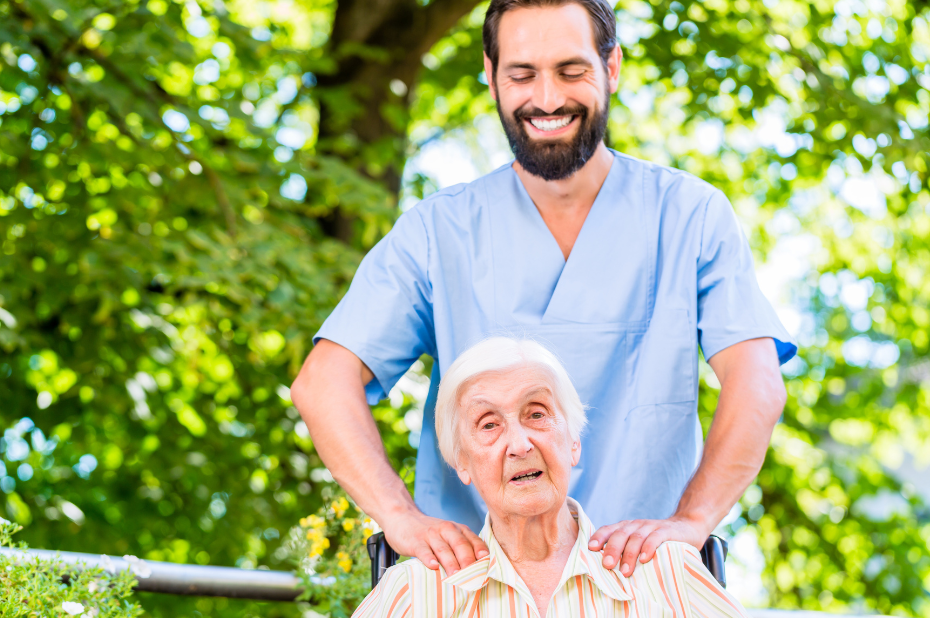
Geriatric (Elderly) Massage (16 Hrs.); Our Geriatric (Elderly) Massage course offers comprehensive training tailored to the unique needs of aging clients. This course equips massage therapists with the knowledge, skills, and compassionate approach to provide effective and sensitive care for elderly individuals. Through hands-on techniques, theoretical knowledge, and real-life experience, participants will be well-prepared to practice in various settings.
Hospice (Palliative Care) Massage (16 Hrs.); Our Hospice (Palliative Care) Course offers advantageous training for massage therapists who wish to make a meaningful impact on the lives of hospice patients and their families. This course focuses on providing comfort, pain relief, and emotional support to individuals, including pediatric and younger adult patients, at the end of their journey. Through specialized techniques, effective communication, and compassionate care, participants will be equipped to offer invaluable support in hospice settings.
Death Doula Certification (8 Hrs.). Our Death Doula Certification course is designed for individuals who wish to provide compassionate and knowledgeable support to individuals and families during the final stages of life. This comprehensive program covers sensitive topics, including ethical and cultural guidelines, effective communication, and comfort measures. Participants will be prepared to serve as compassionate companions, offering invaluable support and guidance during this profound transition.
BWS: What would you say is the overarching theme for the series of courses?
Ali: At the heart of our courses is deeply honoring the client’s dignity. Our goal is to meet each individual exactly where they are, without any personal agenda and without our pity. It’s about truly listening to their needs and desires and empowering them to achieve their desired outcomes.
Another crucial aspect of the series is the importance of professional ethics and healthy boundaries for caregivers. These principles are especially vital in our field, enabling therapists to be fully present, open-hearted, and compassionate while caring for their client’s needs! By maintaining healthy boundaries, therapists can ensure they provide the best possible care for their clients while nurturing their well-being.
BWS: How do the courses address the unique needs of different age groups, different settings, and the different cultural backgrounds of clients?
Ali: These key factors play a crucial role when working with clients. We often associate critical illness with older adults, but the patient could be a young child. Patients may also be at home, in a hospital, or in a care facility. They may be more or less incapacitated, medicated, rely on medical devices, etc. In all settings, the therapist has to pivot to deliver the appropriate care.
Our courses also focus on different cultural aspects. This may include racial, political, or religious elements. It’s never appropriate to ‘teach’ the client or caregiver a lesson as to one’s own convictions or traditions. Instead, it is essential to recognize the value each client’s background brings to them. It’s not necessary to share beliefs, but respecting the client in that way is vital. Most likely, the client can teach us something, at least about themselves. It’s worth looking for angles of why and how the client’s perspective can serve them.
BWS: You mentioned self-care. Do you want to elaborate a bit on that as well?
Ali: Absolutely! We emphasize self-care as a core training component, providing strategies and resources for managing stress, setting healthy boundaries, and maintaining personal well-being. This is crucial for preventing burnout and ensuring sustainable practice. Experience has taught us that caring for oneself is the basis of helping others! Plus, we are there for assistance after the courses, as need be.
BWS:What Kind of Student is attracted to the Care Series of Courses? Our Care Series attracts a unique and compassionate group of students dedicated to working with vulnerable populations. These empathetic individuals, including healthcare professionals, massage therapists, aspiring death doulas, family caregivers, social workers, counselors, and those seeking a meaningful career change, are drawn to our courses to expand their skills and provide holistic support. We are profoundly grateful for their commitment, as they go above and beyond to ensure they offer the best care to their clients and patients. Their compassion, skill, and dedication bring comfort, dignity, and care to those in challenging stages of life, making a lasting positive impact on patients, families, and the broader community. At Body Wisdom Massage School, we honor and celebrate their unwavering commitment to making a difference.
BWS: Are there any other courses at Body Wisdom that complement the Care Series?
Ali: There is a long list of courses to enhance a therapist’s toolbox. Techniques like lymphatic drainage, reflexology, clinical aromatherapy, acupressure, other pain management tools, orthopedic massage, and many more, including sound vibration and rebalancing, are included. Many people may not know this, but Body Wisdom offers custom-designed Certificate of Excellence or even Mastery Level programs to anyone who wants to widen their expertise or range of services.
We are passionate about any training we offer, and the Care Series is just one of several tracks we have expanded.









 Body Wisdom Massage School's Blog