The Rise of Personalized Treatments in Massage Therapy
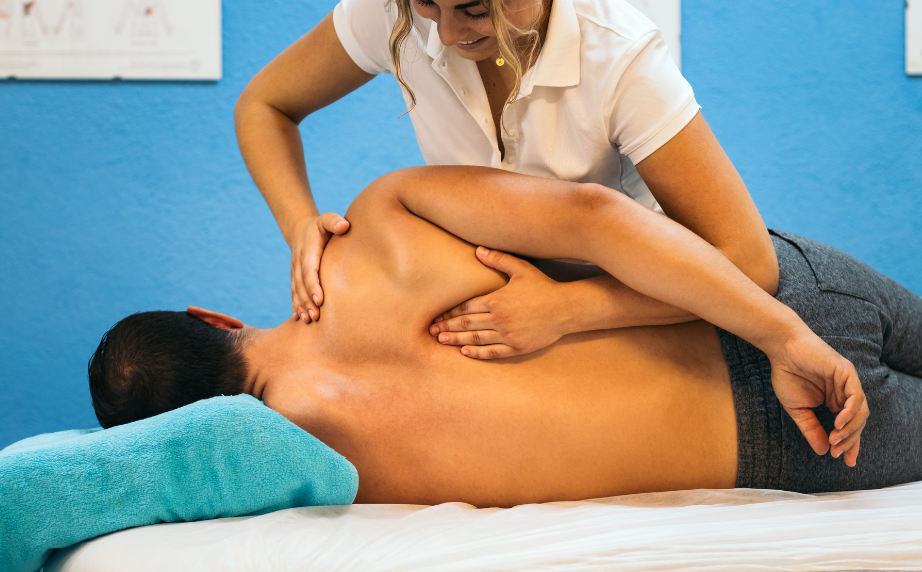
The future of massage therapy is highly customized, client-centered treatments that address individual needs, preferences, and health conditions. Today’s clients expect more than a standard, one-size-fits-all massage—they want an experience tailored specifically to them. This shift has led to a new level of skill and adaptability among massage therapists, making sessions more goal-oriented, therapeutic, and effective.
Now, let’s dive into the practical ways massage therapists personalize treatments.
Client-Specific Pressure & Techniques
How it works in practice:

✔ Therapists blend multiple techniques within a single session instead of sticking to one approach.
✔ Real-time adjustments based on client feedback (e.g., shifting between deep tissue, myofascial release, or lymphatic drainage).
✔ Using elbows, knuckles, forearms, or cupping when deeper work is needed but switching to gentler techniques when tissues resist.
Example:
A client comes in for shoulder pain but also struggles with anxiety. A traditional deep tissue session might feel too intense, so the therapist blends:
• Myofascial release to gently unwind tension
• Trigger point therapy on pain spots
• Slow, rhythmic effleurage to calm the nervous system
➡️ This ensures the treatment is effective and deeply supportive to the client’s overall well-being.
Comprehensive Intake Process

How It Works in Practice:
✔ Intake forms now include more than just health history—they ask about:
• Daily habits (e.g., sitting posture, movement patterns)
• Stress levels and emotional well-being
• Preferred pressure, temperature, and music preferences
✔ Therapists conduct short movement assessments to identify imbalances.
✔ Tracking progress over multiple sessions to fine-tune treatments over time.
Example:
Instead of asking, “Where do you feel pain?”, a therapist might say:
• “When do you notice the pain most—morning, after exercise, or while sitting?”
• “What movements make it worse?”
• “Have you noticed any changes in flexibility or strength?”
➡️ This allows the therapist to adjust techniques dynamically, ensuring long-term improvement.
Targeted Pain & Recovery Plans
How It Works in Practice:
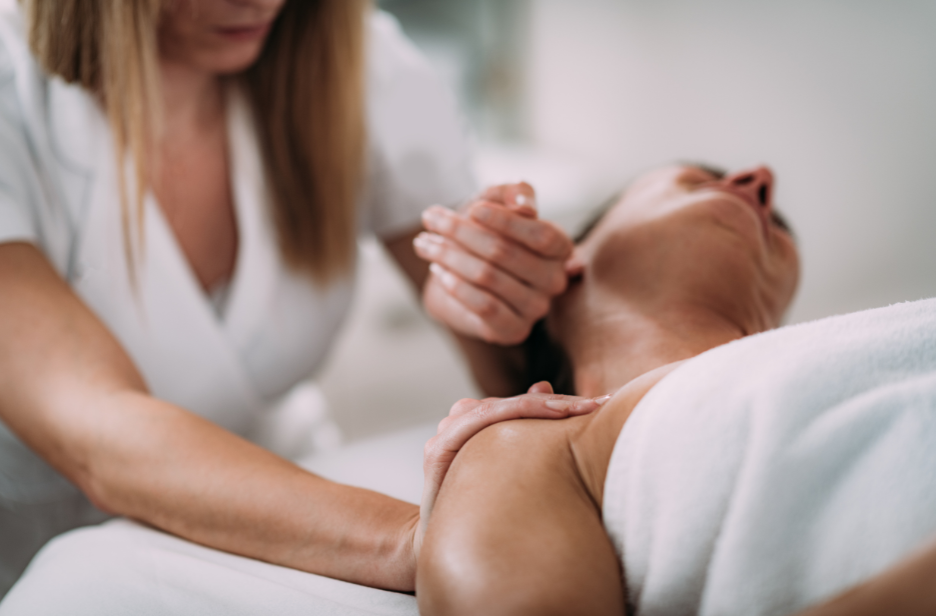
✔ Rather than offering random, stand-alone sessions, therapists design structured treatment plans.
✔ Clients get session-by-session progress tracking and take-home techniques.
✔ Massage is paired with stretches, corrective exercises, and breathwork.
Example:
A client recovering from rotator cuff injury might receive:
• Session 1: Myofascial release + gentle passive movement
• Session 2: Trigger point therapy + assisted stretching
• Session 3: Deep tissue techniques + movement reeducation
• Self-Care Plan: Custom stretches & at-home massage tools to maintain progress
➡️ Clients appreciate a clear plan and measurable results, making them more likely to commit to regular sessions.
Customized Aromatherapy & Sensory Elements

How It Works in Practice:
✔ Using essential oils tailored to client’s emotional and physical state.
✔ Adjusting lighting, sound, and temperature to match client preferences.
✔ Introducing guided breathwork or meditation techniques into the session.
Example:
A client experiencing chronic stress and tension headaches might receive:
• Lavender or chamomile essential oil during the massage.
• Dimmed lighting and slow, rhythmic massage techniques to calm the nervous system.
• Guided breathwork at the start of the session to deepen relaxation.
➡️ This approach transforms a massage into an immersive healing experience.
Massage Based on Activity & Lifestyle Needs

How It Works in Practice
✔ Recognizing that different clients require different approaches based on their lifestyle.
✔ Offering specialized techniques for different demographics—athletes, office workers, pregnant clients, etc.
✔ Educating clients on daily habits to prevent future pain or dysfunction.
Example:
A runner with tight hamstrings may need:
• Deep tissue work on the posterior chain (hamstrings, calves, glutes).
• IASTM techniques to break up adhesions.
• Customized stretches to maintain flexibility between sessions.
An office worker with forward head posture may need:
• Myofascial work on the neck and shoulders to relieve tension.
• Postural education on desk ergonomics.
• Gentle movement exercises to counteract long hours of sitting.
➡️ This ensures each client gets exactly what their body needs—nothing generic.
The Future of Personalized Massage Therapy
This trend is leading to:
More therapists training in multiple modalities to customize sessions.
AI-driven massage tools that analyze muscle tension and recommend techniques.
Greater client education—empowering people with at-home care strategies.
Massage therapists are elevating their work from routine service to transformative healing experiences by prioritizing customization and adaptability.
Good Luck with your practice
The Body Wisdom Team
 Body Wisdom Massage School's Blog
Leave a comment