Meet Jennifer: Passionate Educator, Massage Therapist, and Lifelong Learner
Jennifer brings a rich blend of anatomy, movement, and therapeutic bodywork expertise to her role as an instructor at Body Wisdom Massage School, where she teaches Anatomy and Deep Tissue Massage.
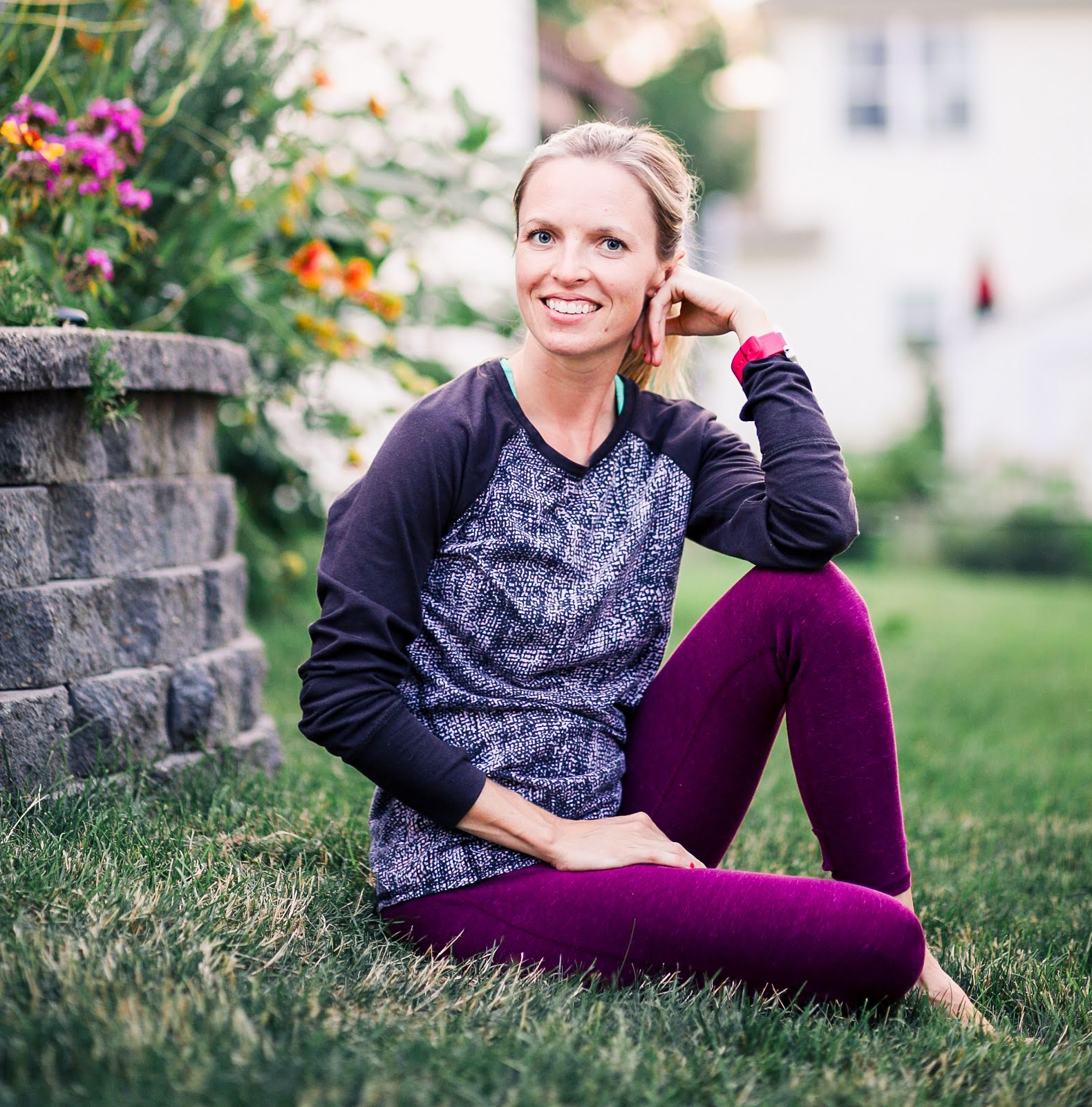
Jennifer’s teaching approach is both scientific and practical. She ensures that students grasp muscle function and structural relationships and learn how to apply deep tissue techniques effectively, safely, and with intention. Her passion for lifelong learning, movement, and mindfulness makes her an inspiring mentor for future massage therapists.
BWS: What led you to massage therapy, and how does it complement your background in fitness, rehabilitation, and wellness?
Jennifer: The first time I encountered manual therapy, I was deep into a months-long battle with tension headaches. I felt like I was slowly losing control over my life: my sleep, activity levels, and mood were all being affected. Through the skilled touch of a physical therapist, I began to feel a glimmer of hope. My pain became more manageable, not only because of the physical release of tight muscles, but also because of the mental unburdening I felt from sharing my experience with a trusted provider.
I realized that with my background as a yoga and meditation teacher, I could add massage therapy to my tool bag and really help those who were dealing with chronic pain or conditions out of their control to find relief.
BWS: You’ve spent over 20 years studying the human body—what first sparked your curiosity about anatomy and movement?
Jennifer: I will be forever grateful that I was required to take Human Anatomy for my bachelor’s degree. I had the incredible opportunity to study human cadavers for an entire semester. Two days of lab each week wasn’t enough for me; I came in for open study time as often as possible, burning with a curiosity and desire to learn everything I could. I didn’t yet know where this subject would take me, but I felt even back then that it was a life-changing experience.
BWS: You hold multiple certifications—CPR & First Aid Instructor, Wilderness First Responder, Personal Trainer, Yoga Teacher, and more. How do all of these disciplines inform your work as a massage therapist?
Jennifer: The thread that ties all of my current and past certifications together – other than the human body – is really my passion for lifelong learning. I will never feel like “I know enough; it’s time to coast.” That’s not who I am. I know enough to realize how much more there is to know. I used to feel a sense of urgency that I need to hurry up and learn everything. I realize now that that’s like trying to drain the ocean one bucket at a time. It’s much more enjoyable to slow down and just remain curious.
BWS: You emphasize giving clients tools beyond the massage table—what techniques or self-care strategies do you often recommend?
Jennifer: Yoga! I believe that your best posture is your next posture. In other words, a variety of movement is healthy for the body. For clients with low back pain, I encourage them to move their spine in all directions (flexion, extension, lateral flexion, and rotation). For soreness between the shoulder blades, I recommend supported fish pose, which opens the chest and gives the rhomboids and traps some much needed slack.
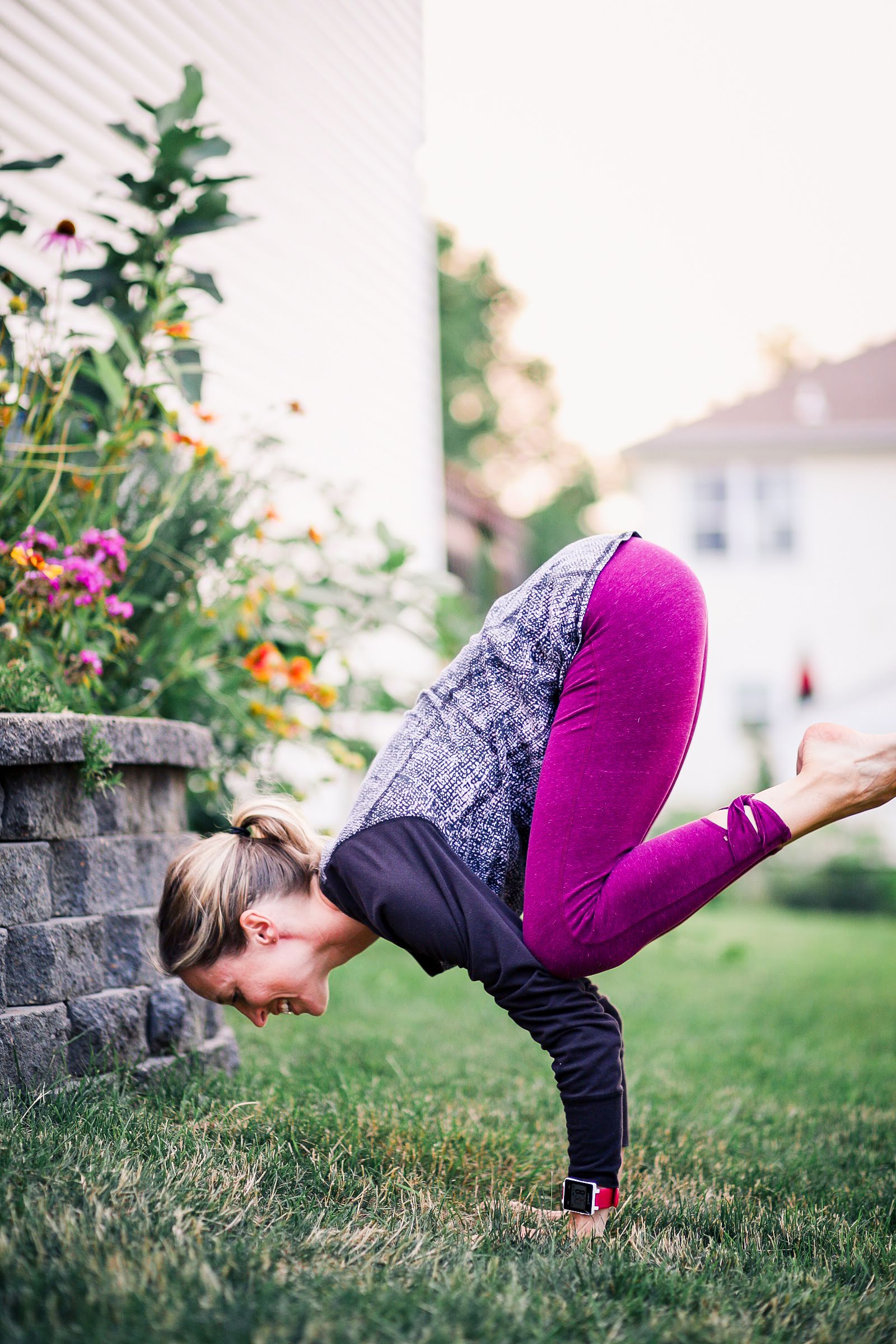
BWS: You teach yoga in addition to running your massage practice—how do your yoga classes help you connect with potential massage clients?
Jennifer: I teach 5 classes each week with 20-25 students per class. That’s over 100 people each week that I get to stand in front of; it’s incredible face time with potential clients! While I am careful to not turn my classes into an advertisement, I’ve found that if I simply mention I’m a massage therapist, I have students waiting to talk to me after class to ask if I’m taking new clients.
BWS: Do you find that yoga students who experience your classes are more open to massage therapy, and vice versa?
Jennifer: Absolutely! Trust is one of the most important components in a client-therapist relationship. It takes vulnerability to seek out a massage, especially for the first time, and choosing a therapist from the internet just doesn’t feel as safe as going to someone you already know or who was personally recommended to you. I have had yoga students (who have never received a massage from me!) recommend me to others simply because they know I am a reliable and trustworthy person.
BWS: What role does mindfulness, a core component of yoga, play in your massage sessions?
Jennifer: It’s easy to let your mind wander during a long session, but I believe I do better work when I am wholly focused on the present moment. First and foremost, I am in tune with my own breath during each massage session. I’m not perfect at it, but when I can regulate my breath and focus my mind, I sometimes have magical days where my sessions feel like a moving meditation. Not only does this result in better outcomes for my client, but I end the session feeling like my own cup has been filled. Being attuned to the present brings me a sense of purpose and contentment.
BWS: What advice would you give to other massage therapists who want to incorporate home care into their sessions but aren’t sure where to start?
Jennifer: Practice what you preach! Begin your own daily stretching routine. You’ll feel more confident recommending home care if you’ve felt its effects in your own body. While you’re stretching, review your anatomy and kinesiology books for muscle names and actions. Another idea is to try out a bunch of YouTube videos (things like “10-minute stretch” or “15-minute yoga”) and curate a list of your favorites to easily send to clients after their session.
BWS: What’s your favorite part about teaching at Body Wisdom, and what do you hope students take away from your classes? How has teaching influenced your own practice and understanding of bodywork?
Jennifer: Teaching at Body Wisdom has encouraged me to slow down and think more deeply about my work. I try to use plenty of descriptive language while I’m teaching a hands-on technique, and to provide that level of detail, I have to really focus on what I’m feeling in the tissue. Anyone can try this! Next time you’re working on a client, think about how you would explain what you’re doing to a student. Describe the fiber direction, the nearby bony landmarks, and the intention of the stroke you’re applying.
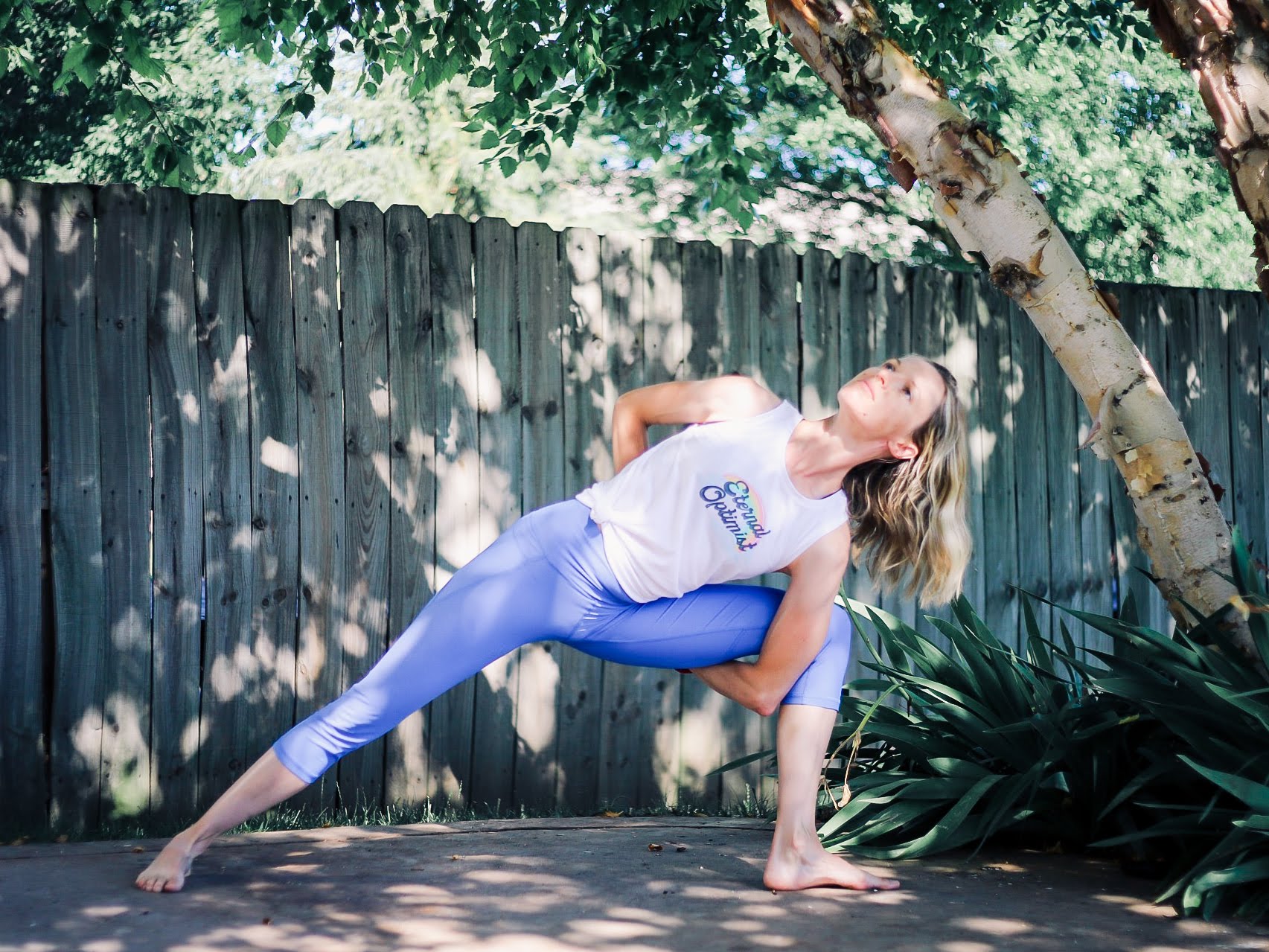
BWS: What simple mindfulness or movement practices can clients (or massage therapists) use daily to improve their well-being?
Jennifer: One of the most straightforward mindfulness techniques is breathwork. And one of the simplest breathwork practices is 2 to 1 breathing. As you inhale, mentally count from 1 up to 4. As you exhale, count backwards from 8 down to 1. Making your exhale twice as long as your inhale has an immediate calming effect on your body. The reason is this: your heart rate naturally increases with your inhale, which stimulates your sympathetic nervous system and decreases with your exhale, which stimulates your parasympathetic nervous system.
Lengthening your exhale means you spend more time in the parasympathetic (rest and digest) state, which allows your blood pressure to drop and your muscles to relax. Fun fact: even a few minutes of this technique can help you feel calmer, but I once used it for four straight hours during my daughter’s unmedicated birth! I was mentally exhausted after that intense concentration, but the analgesic effects were worth it!
If you want to learn more about Jennifer’s Massage Practice or her Insight Timer Channel, see the links below!
Thanks so much for your words of wisdom, Jennifer 🙂
Insight Timer
Insight Timer: https://insighttimer.com/jenniferbenson
Evergreen Clinical Massage
The direct link to that page is https://evergreenclinicalmassage.square.site/resources
 Body Wisdom Massage School's Blog
Leave a comment