BWS: Adam, you’ve had an incredible journey, from being a Body Wisdom student to becoming an instructor in the Orthopedic Massage program. How did your experience as a student shape your approach to teaching massage therapy?
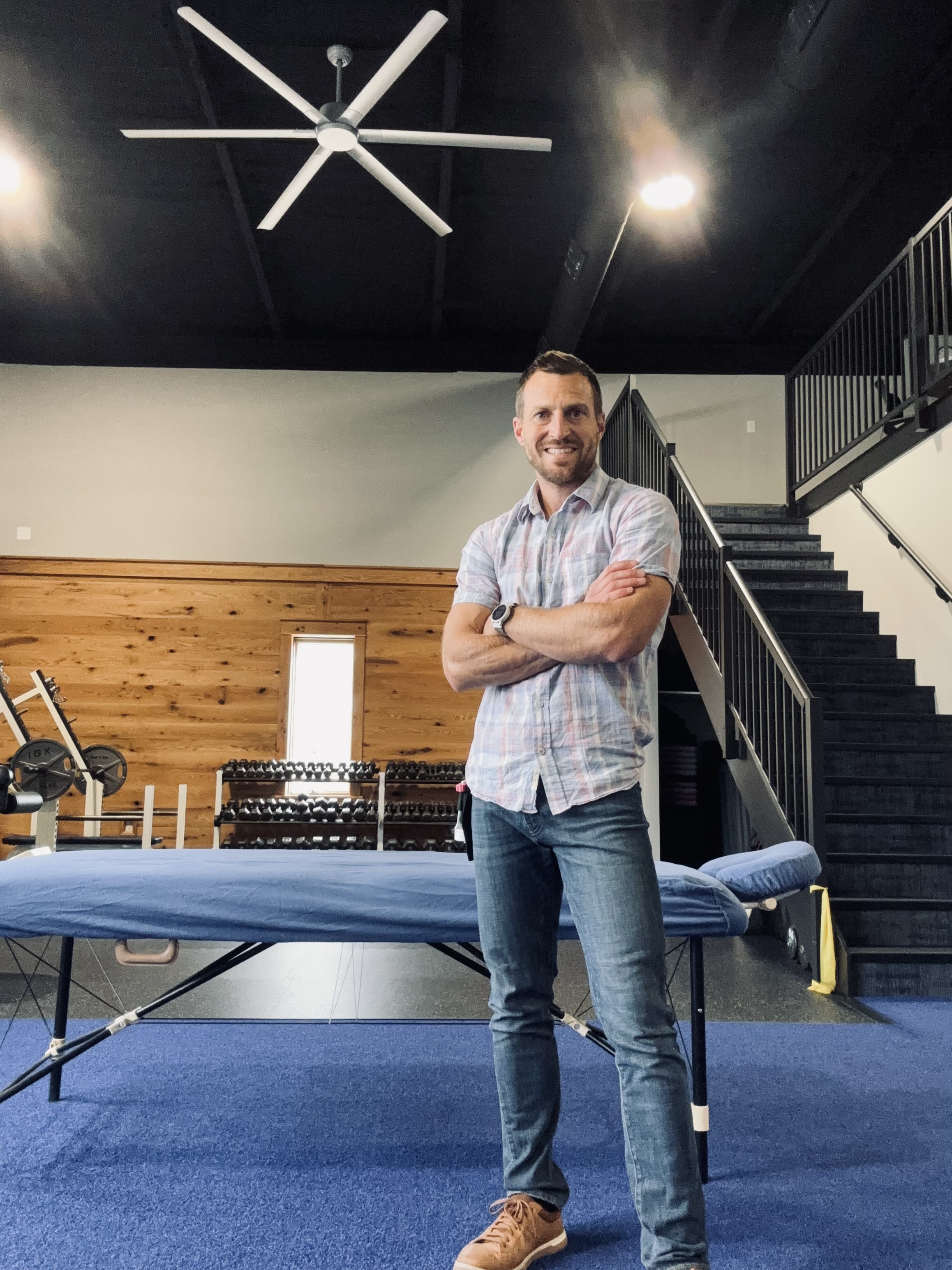
Adam: I was an educator before a massage therapist. In education, we are trained to collect data on our students’ understanding of what is being taught. “How do we know if they know?” is a commonly heard phrase. When asked to be an instructor for the Orthopedic program, I continued to apply this same pedagogical thought pattern. I was not satisfied with demonstrating a technique and watching students practice on one another. To enhance my assessment of students, I devoted the last day of the course to practical application. Roleplaying as practitioners and clients, students would rotate through various scenarios, applying assessment tools while I scrutinized their decisions. I wanted to ensure all students could accurately and safely assess orthopedic and sports-related pain before graduation.
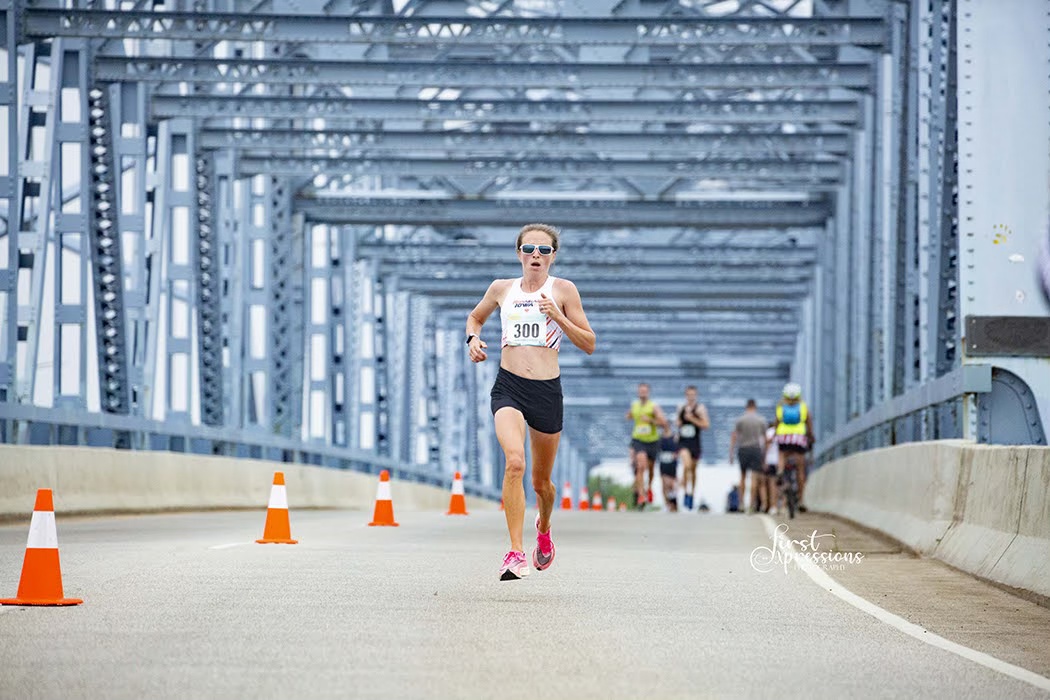
BWS: As an elite runner, how do you balance the demands of marathon training with your career as a massage therapist and teacher? Do you find parallels between your running and massage practice?
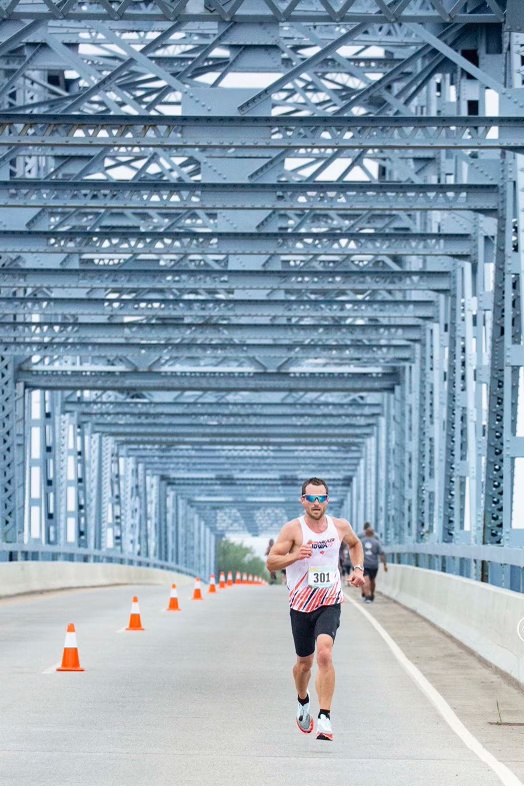
Adam: What I gleaned from the Orthopedic Massage program as a student powerfully changed how I trained and rehabbed my body as an elite athlete. The program gave me a toolkit and a flow chart to understand the source of most chronic injuries. As a marathon runner, most injuries are chronic, while many are treated as acute. For example, iliotibial band syndrome, for me, was always treated with ice directly on the site of pain. I had a paradigm shift when I heard from my Body Wisdom instructor, Brian Glotzbach, that “the pain isn’t always where the problem is.” This and other instructors’ words affected me so much that I have avoided significant setbacks from injury in my marathon preparations in the past twelve years. While I only have time to train 6-8 hours a week, which is relatively low compared to other elite athletes, I ensure my work is effective and efficient. My comprehensive understanding of how to train and care for the body is attributable to what I gained as a student in this program.
BWS: You and Flannery dreamed of moving from city life to a peaceful farm. How has living on your farm influenced your approach to wellness, both personally and professionally?
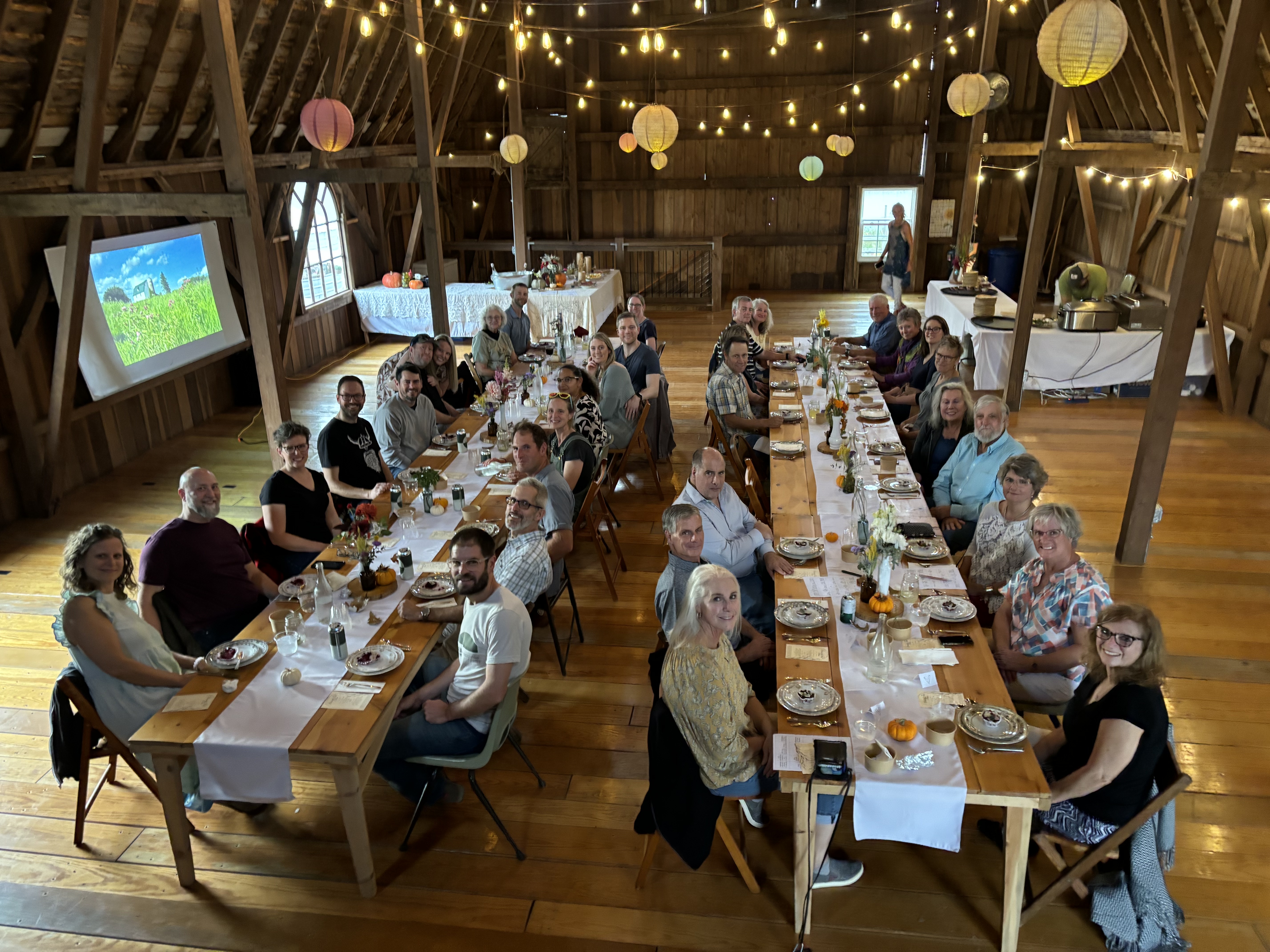
Adam: There are many aspects to wellness, and while we may not be exemplary in all of them, Flannery and I have long believed that a deep connection to food and place is essential for longevity and mental health. This was exemplified during a farm-to-table dinner we hosted in October. It was one of many events this year where we enticed people to disconnect from devices and connect with the community, the land, and the food grown from it. While we knew what we wanted long before we had it, living on the farm has afforded us the soil and space to realize what we once dreamed. More recently, as we unveiled our new business. Tailwind Acres LLC has been sharing this lifestyle with others. Both of us are observant and reflective individuals. We have witnessed the adoption of fast food and conversation (a.k.a. Instant messaging). This lifestyle does not bring us joy; we believe most individuals feel the same way. While the world around us blows in one direction, we hope to offer an alternative when others need a slower, quieter pace.
BWS: As a coach for endurance athletes, how do you integrate your knowledge of massage therapy into your training programs?
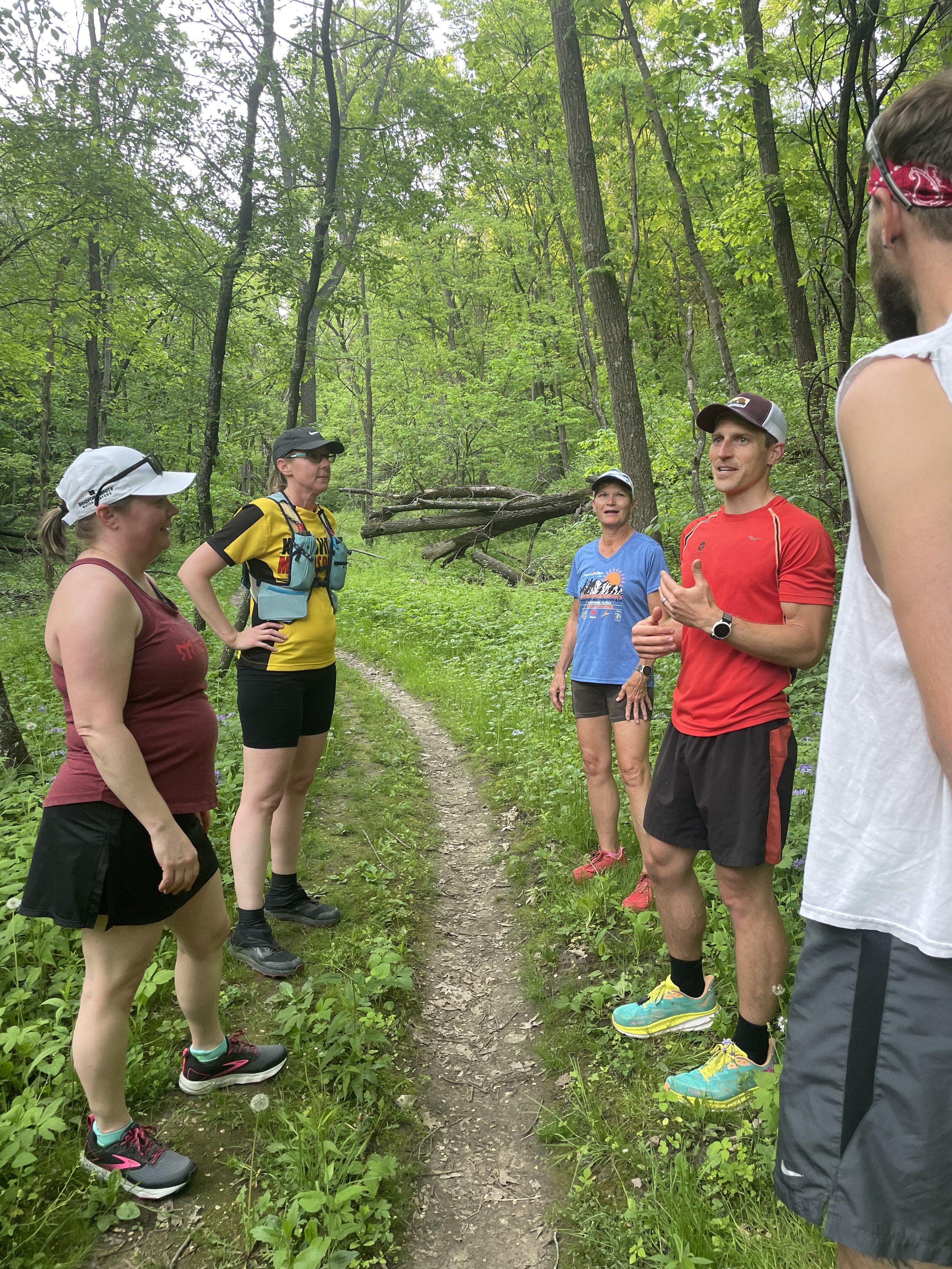
Adam: Over the last ten years, I have had the pleasure of coaching 19 adult athletes, ranging from 100-meter to 100-mile runners, sprint and Ironman distance triathletes. I have written a combined 17,000 personalized workouts for them. What I have realized over the years is that the best training plan, diet, and race preparation mean nothing if the athlete gets a debilitating injury. My clients understand the advantages of having a coach who doubles as a sports massage therapist. One athlete said, “Adam is extremely knowledgeable about injury and continues to support me by giving me great advice and exercises so that I can be at my best!” My athletic health has benefited from the Orthopedic Massage program, as well as the adults and youth I work with every year. When I first met Flannery, my future spouse, she was scheduled to have her second Achilles surgery. She attests that her ability to run and set all new personal records would not have happened if I hadn’t enrolled in the Body Wisdom program 12 years ago.
BWS: Flannery, your Environmental Studies and Public Health background reflect a deep connection to wellness and community. How do you bring that passion into your role as a wellness program director?
Flannery: A holistic approach to well-being that views humans as part of nature and natural cycles.
BWS: You and Adam envisioned and brought to life a dream of living on a farm. What was the most surprising or challenging part of turning that dream into a reality?
Flannery: Yes, we chose to live on a farm and a rural one. Rural America has been declining in population for decades, but I am proud to purposely choose my zip code. (And, yes, we have high-speed internet!)
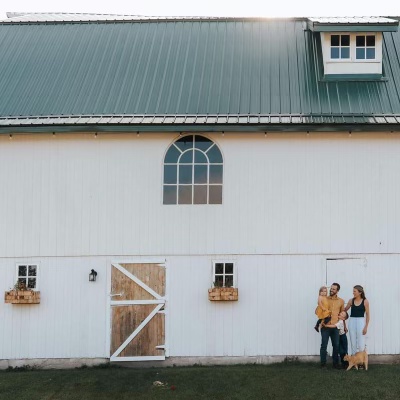
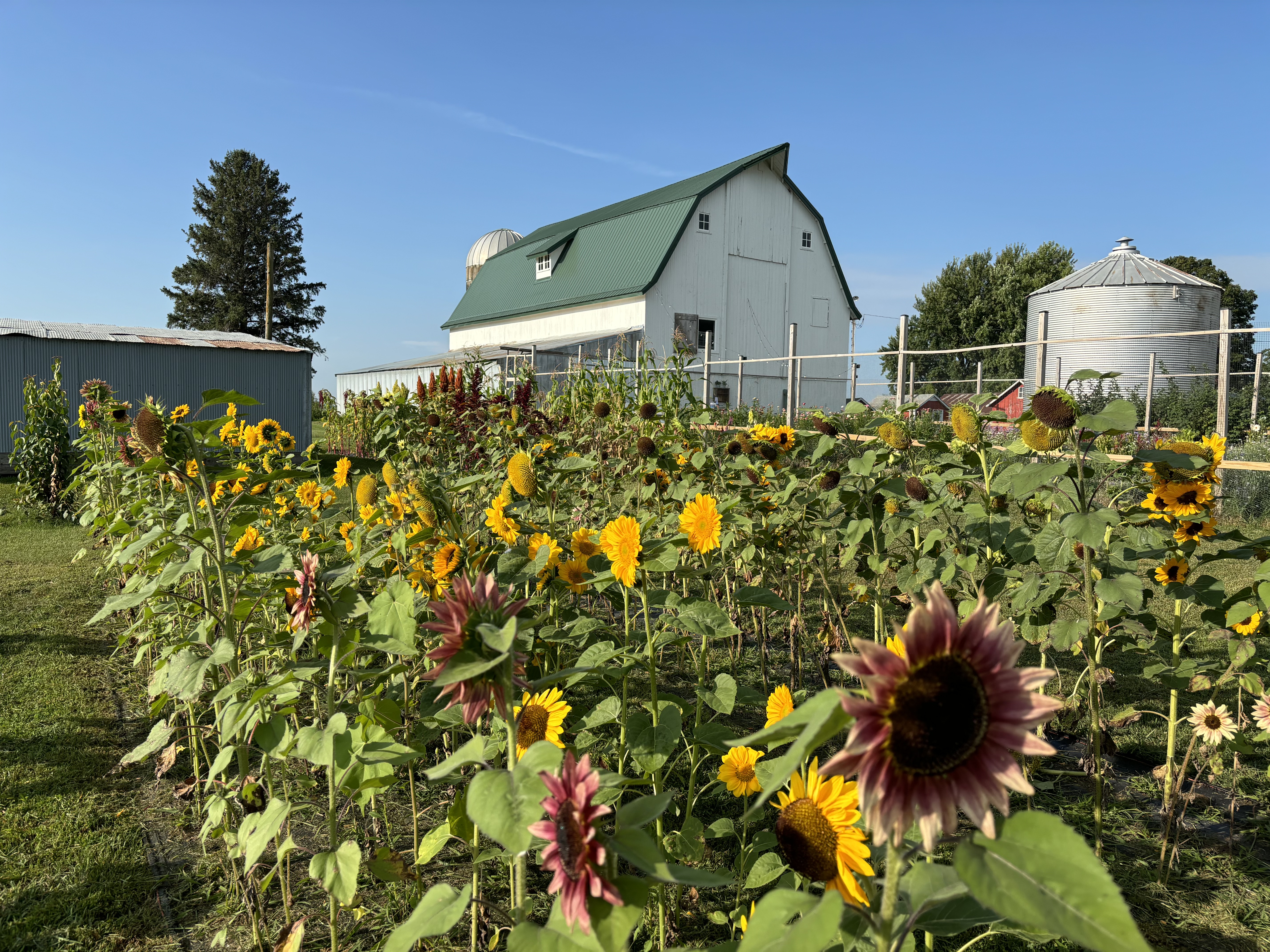
Our biggest challenge is probably physical. We have put a ridiculous amount of sweat equity into recent projects like renovating our 1940s dairy barn into an event space, flipping a garage into a guest cottage, and expanding our flower gardens three-fold. All of this has taken a tremendous amount of time and physical labor. We have had to sacrifice time with our family and friends at the expense of these projects. Adam and I have the beaver gene, constantly working… for better or worse.
One surprise for me is that rural living takes ingenuity and forethought. Running to the store is not easy when you’re missing chili powder in the cupboard for soup that night. We have to watch for severe weather in ways that those in urban areas do not, both in emergency preparedness (e.g., is the weather radio plugged in, and do we have staples if we get snowed in for a couple of days). We also try to be conscious of the frequency of what we buy online. Yes, I could have my rural mail provider drive us out a new toothbrush, but is that really necessary?
BWS: Gardening has been a lifelong passion for you. How does being connected to the land and growing your food contribute to your overall wellness?
Flannery: Yes, there are photos of me gardening in diapers. I was taught skills to grow food and flowers from a young age. I wouldn’t say it was overly extensive, as my parents were more hobbyists than farmers; however, it was enough to cultivate a passion.
I have continued to nurture a love of growing food and flowers, which keeps us active. Last spring, I transplanted 4,000+ plants by hand in a few days. I was pretty much unable to walk for a few days. Equally as challenging as a physical workout is the planning involved in what to grow, how to grow it, when to grow it, and how to respond to various challenges with weather, pests, etc. These challenges are intellectually stimulating and require problem-solving skills.
I think many readers will relate, but being outside in the soil is good for the mind. I often find gardening a good distraction or balm for stressors and anxieties. Studies have proven that being outside lowers cortisol, increases oxygen levels in the brain, and aids in getting good sleep with exposure to sunlight. Not only do I feel most at ease, I also feel like I am contributing when my hands are in the soil. I am part of a process (domestic agriculture) documented for 13,000 years.
BWS: In your role at the community college, what strategies do you find most effective in encouraging people to connect with healthier lifestyles through food and physical activity?
Flannery: Behavior change is hard. I wouldn’t say I have found a golden ticket, and a lot of days, it’s hard to feel like I’m gathering data that anything I do changes behaviors. That’s not to say I don’t offer my ideas, support, and encouragement. I believe the old adage is, “You can lead a horse to water, but you can’t make them drink.” – ultimately, I am there for the people who are ready for change or nudging the people contemplating it.
Participation varies, but two programs that have been successful over the years have been wellness challenges and a community-supported agriculture workplace drop-off. The wellness challenges involve participants joining teams with their coworkers and tracking their daily activity, usually lasting between 8 and 10 weeks. Folks can participate solo, but most typically want to join a team. The expectation is to report your weekly active minutes on a shared Google Sheet. Teams have different ways of motivating each other with Zoom chat channels, emails, and organized activities. At the end of the challenge, I run several prize drawings of the people who have reported their weekly active minutes on time. I’ve found that camaraderie is good for morale, but the accountability of being on a team is significant. Sometimes, just the idea of having someone “counting” on you can be all needed to kickstart an exercise routine.
The other program encourages healthy eating. Participants sign up to receive local food boxes (mostly vegetables) in the late winter/early spring. The farmers use this money upfront during their growing season and plant their crops accordingly. Boxes are subsidized by the college, so participants receive organically grown produce at a very competitive price. I pick up the boxes and deliver them to campus. What is unique about this program is that our campus is rural, and there is no grocery store in the same town. By providing veggies right to the workplace, folks have convenience. Also, the farmers share weekly newsletters that provide recipes or education about what appears in the boxes.
BWS: You’ve created successful careers that blend physical activity, wellness, and community. How do you keep each other motivated and grounded during busy or stressful times?
Adam/Flannery: We would be remiss if we didn’t mention stressful times. Though, we remind ourselves that stress is not always bad and often means you care deeply about what you’re working toward. A tremendous amount of work and preparation goes into hosting a public event. This past summer, we did it almost weekly from July to October. We both agreed the most significant reward came on the final day of each event. The culmination of all the hard work and planning was rewarded with smiles, sounds of laughter, and seeing a vision come to fruition. The stress is easier to bear when you know there is a chance for a reward later. Perhaps we learned through sport to trust this process. Like in business, athletes make goals that may take months or years to culminate. Along the way, there can be stressful moments. Maybe a botched workout, an ill child who robs you of sleep, a work commitment, or something else that wants you to quit. We’ve experienced them all. Yet, an experienced athlete knows that one day or one bad night of sleep isn’t season-ending. Whether in training or business, we have learned the joy that comes at the end of a long journey, and, however stressful, it’s often worth doing again.
BWS: Your journey from a musty city apartment to a serene country farm sounds like a story of persistence and vision. How has this journey influenced your views on setting long-term goals, both personally and professionally?
Adam/Flannery: We learned there is a magnetic force in creating a vision for yourself. It can be a journey to figure out that vision. Living in that musty apartment created a shared vision of where we wanted to live. The farm came to life on paper as Adam sketched what would be on the farm, including a creek, fruit trees, mushroom logs, outbuildings, and a stoic farmhouse. It became a vision board. And the exercise proved more potent than both of us knew then. We kept that image close over the years as we moved out of that apartment to our first tiny house together. We worked hard at our jobs, lived frugally, and kept trying to “find” our perfect country spot. We should mention our privilege in this situation, that both of us have built-in societal advantages when it comes to owning a home, including our race and sexuality.
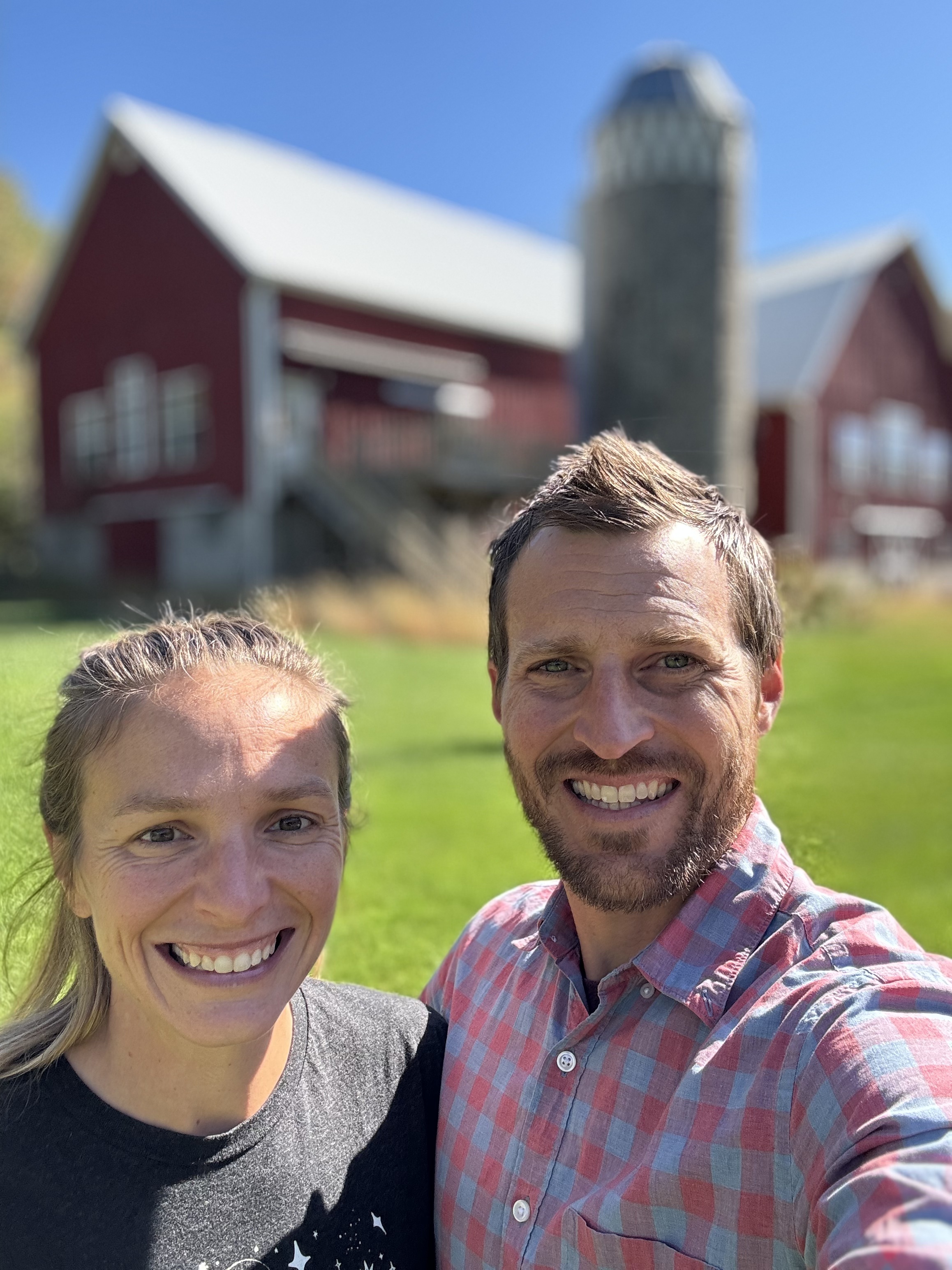
The steps included looking at countless properties, writing several letters of inquiry to current property owners to see if they’d be willing to sell, and even doing extensive research on how to move a house (perfect house, crummy location). This whole process unfolded over a decade. There were setbacks, hurdles, and let-downs, but we did not waver from the original vision. Much like dedicated training for a sport, the rewards can be far, few, or not in the ways expected. Our Cinderella story of finding our current farm was a test of grit. As we apply the lessons learned to other aspects of our lives, we recognize the importance of transparency and honesty about the vision and goal. That is where it starts. We learned not to skip that step and listen to those inklings.
BWS: How has your shared love of running shaped your relationship, and what role does it play in your daily lives?
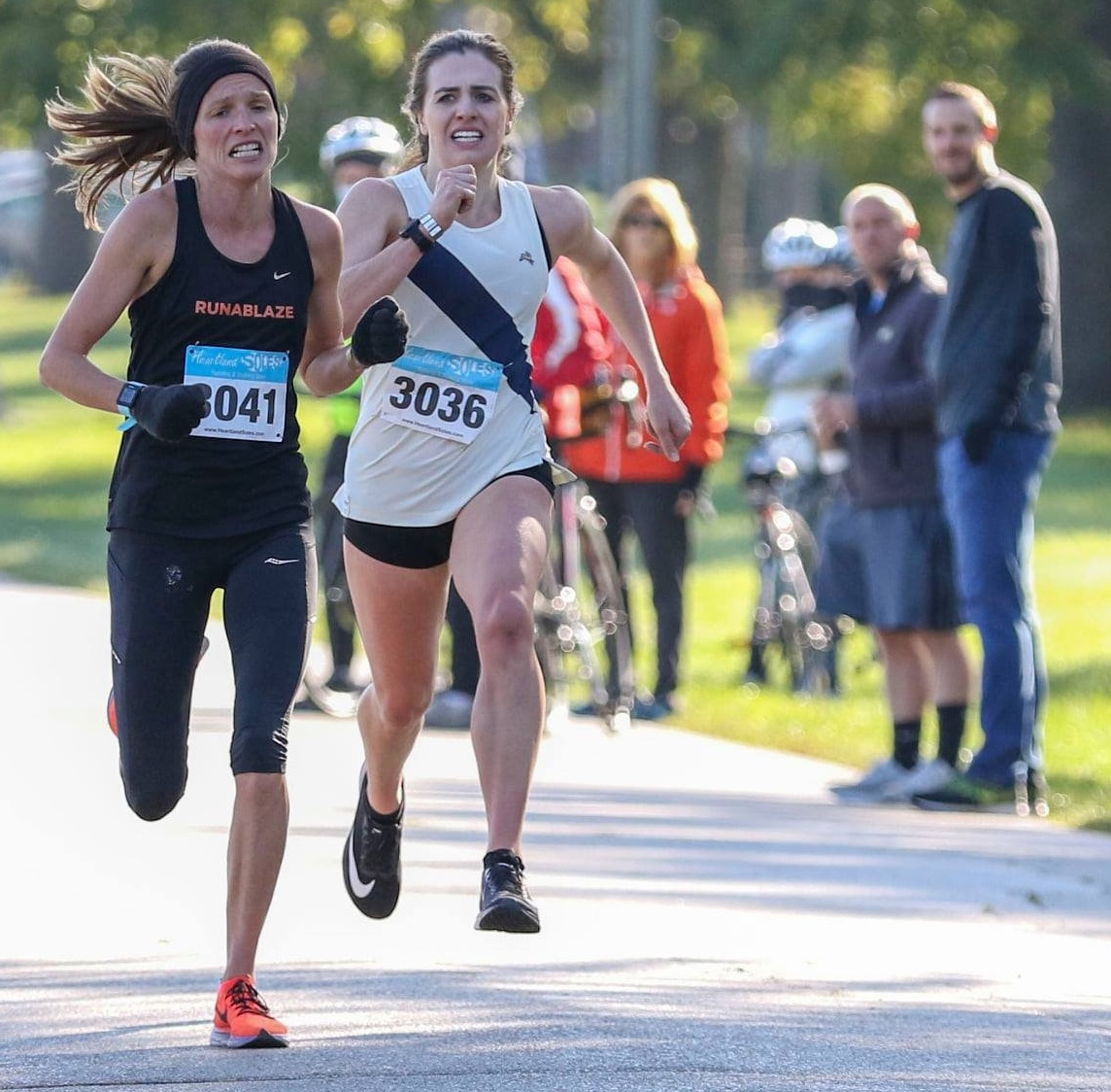
Adam/Flannery: The direct impact of running on our lives has changed over the years. Before owning a 27-acre farm, having two children, and becoming entrepreneurs, we had ample time to train, travel, and race for prize money. The situation looks different now. Sometimes, we must choose who gets to race and watch the children. We have to pick and choose which races are more essential, selecting maybe 2-3 races instead of 6-8 per year. What has remained consistent, however, is the mindset needed to still get the work done when time and energy are strained. In our relationship, we have consistently recognized and respected that we have athletic goals, that genuine exercise equals better health, and, hopefully, more years spent together. While times have changed, we continue to make time for running. While there are certainly times when running or exercising is the last thing on our mind, Flannery often puts her workout off until the very last minute; we still believe it is crucial for our health and wellness to not give up on the sport.
BWS: What advice would you give to someone who dreams of making a significant lifestyle change, like moving to a farm or pursuing a new career in wellness?
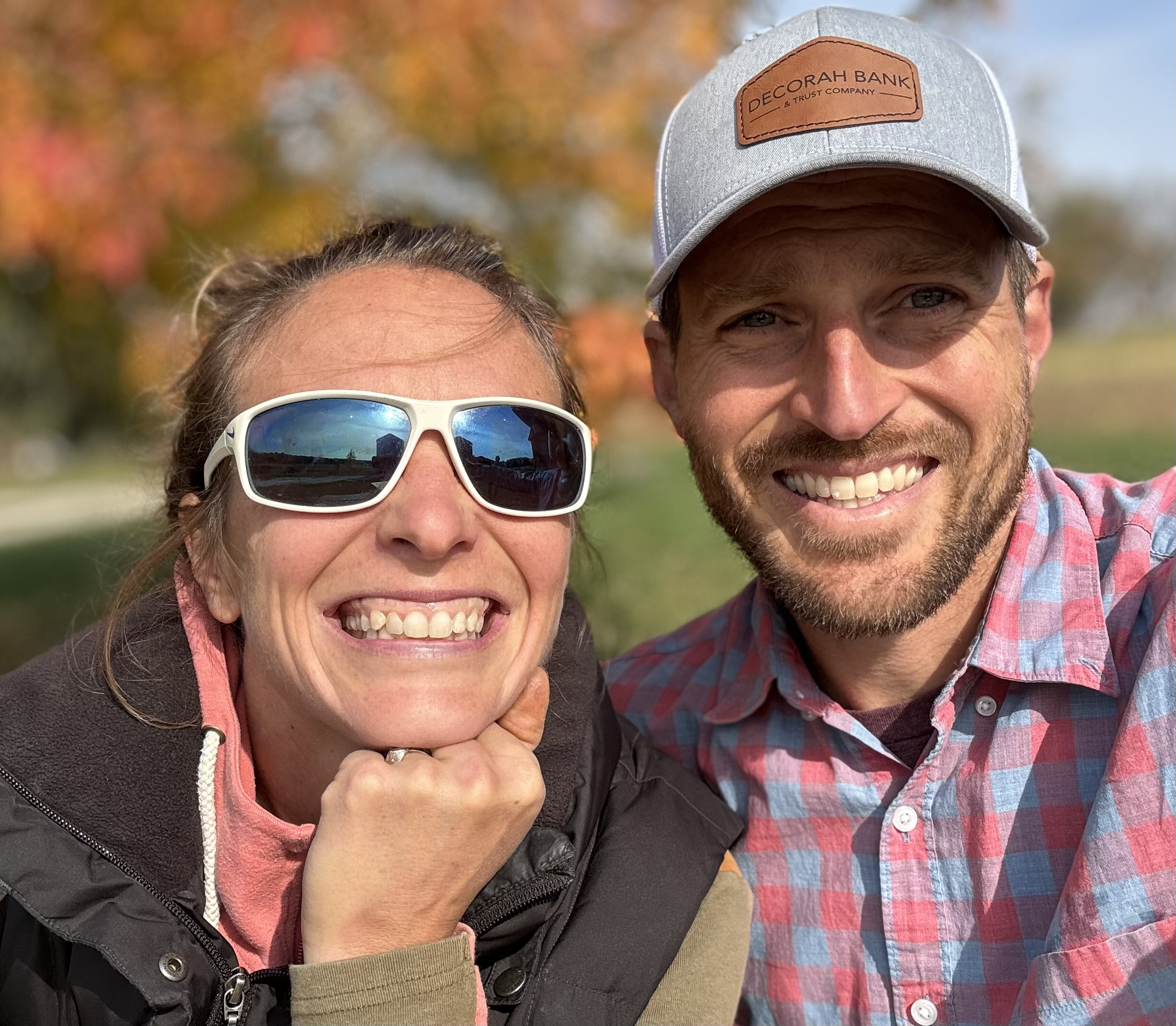
Adam/Flannery: As mentioned above, spend the time sitting with your goals and visualize what the end result will look and feel like. There will be things that aren’t all sexy; talk to us on a day when we have to snow plow ourselves out of our property in the dead of winter, or when we have to deal with dead animals, or at the end of a long day when we have chores. It’s important to forecast the aspects of your vision that will not be things you enjoy. However, being clear about your goals is foundational and will provide motivation during the arduous
journey.
BWS: Thank you so much for sitting with us for this inspiring interview.
** If you would like to learn more about Adam and Flannery, here are some of their links:
Tailwind Acres: https://www.tailwindacres.com/
Tailwind Acres Instagram: https://www.instagram.com/tailwindacres/p/DAOJaRRxtnp/?img_index=1
Tailwind Acres Facebook: https://www.facebook.com/search/top/?q=tailwind%20Acres
Adam’s YouTube Channel: https://www.youtube.com/@adambohach1016
Adam’s Facebook: https://www.facebook.com/abohach
 Body Wisdom Massage School's Blog
Leave a comment